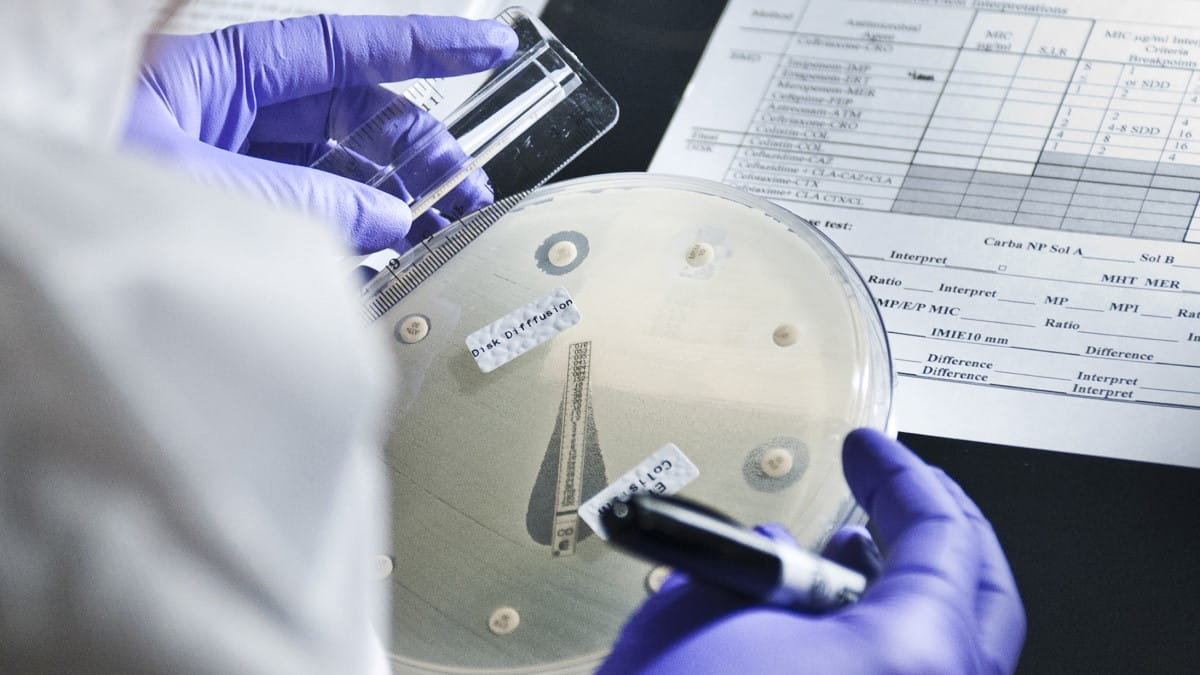
Amsterdam: Europe is losing ground against one of its most insidious health threats. In a joint assessment, the European Medicines Agency and the European Centre for Disease Prevention and Control have warned that antimicrobial resistance is advancing faster than the policies meant to contain it, and that the bloc is drifting away from the reduction targets governments agreed only two years ago.
The numbers behind the warning are stark. Resistant infections are linked to more than 35,000 deaths each year across the EU and the wider European Economic Area, and they impose billions of euros in additional costs as patients stay longer in hospital, require more complex care, or fall back on older and more toxic drugs. Resistance erodes the foundations of modern medicine quietly: routine surgery, chemotherapy and intensive care all depend on antibiotics that still work, and every percentage point of resistance chips away at that assumption.
The two agencies frame the problem through a One Health lens, the recognition that human, animal and environmental health are bound together. Bacteria do not respect the boundary between a hospital ward and a livestock shed; resistant strains move through food, water and travel. That interdependence is why the agencies argue national action plans cannot succeed in isolation, and why they press for coordinated surveillance, tighter stewardship of existing antibiotics, and faster uptake of vaccines that prevent infections from arising in the first place.
The supply side is equally troubling. The pipeline of genuinely novel antibiotics has thinned to a trickle, because the economics are brutal: a new antibiotic that doctors are urged to use sparingly generates little revenue, so developers walk away. The agencies point to early scientific dialogue with companies and more flexible clinical-trial designs as ways to de-risk development, but they concede that regulatory encouragement alone will not rebuild a market that has all but collapsed. Without new incentives, the arsenal will keep ageing while the bacteria keep adapting.
For policymakers the assessment functions as a mid-course alarm. The reduction goals set at EU level, covering both total consumption and resistance in key pathogens, were meant to bend the curve by the end of the decade. The agencies’ message is that current trajectories will miss them unless prescribing habits change, infection prevention improves, and immunisation coverage rises across the life course. Each of those levers is well understood; none is being pulled hard enough.
What gives the warning weight is its source. The two agencies are the bloc’s most authoritative scientific voices on medicines and communicable disease, and a joint statement from both is a deliberate signal that the window for incremental progress is narrowing. They stop short of prescribing the political choices, that remains with member states and the Commission, but the science is unambiguous. Resistance compounds when left unchecked, and the longer Europe waits, the steeper the climb back. The targets are still reachable, the agencies insist, but only if the gap between ambition and action closes soon.