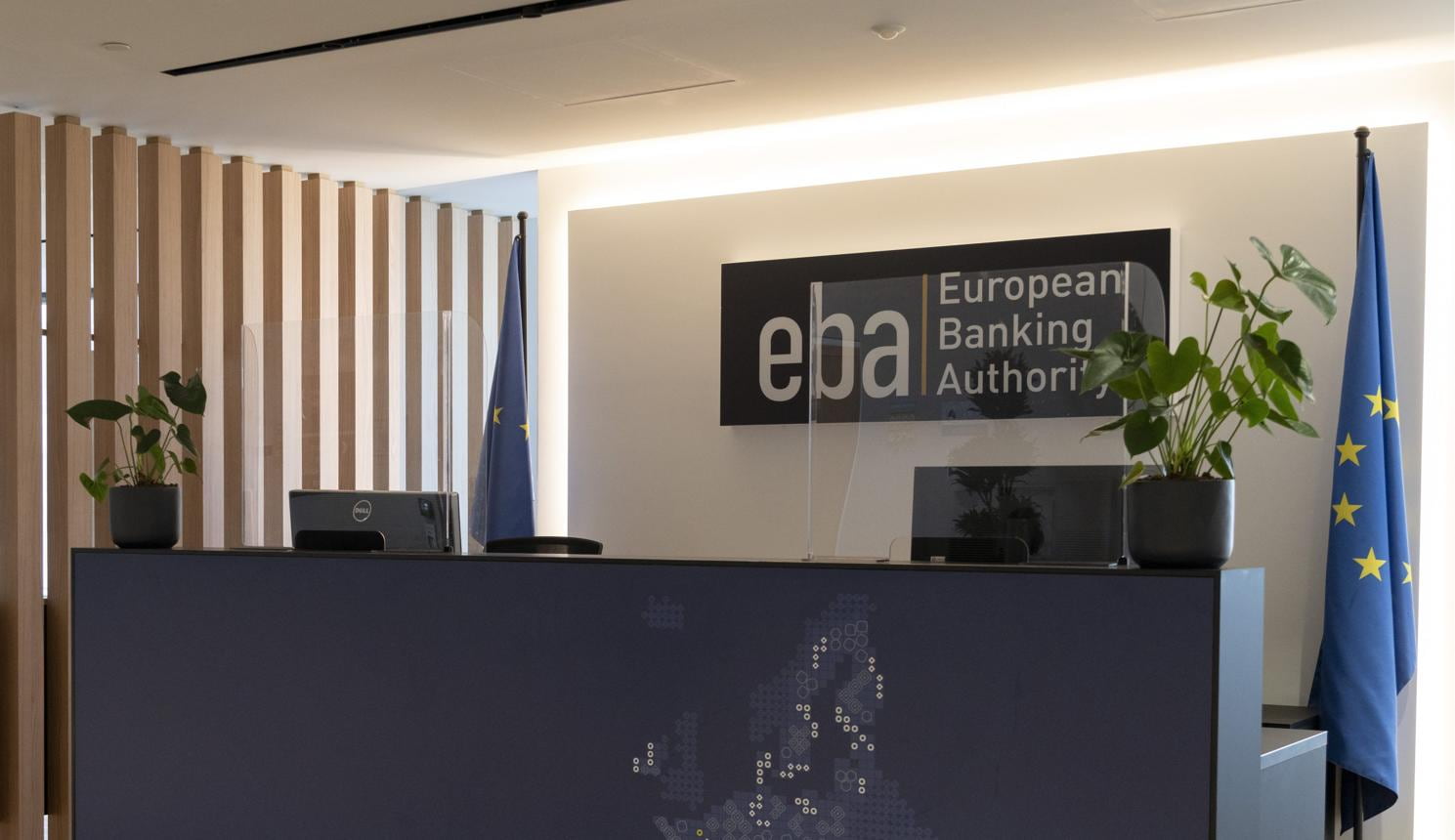
Paris: The European Banking Authority has opened an early consultation on how it will run its next EU-wide stress test in 2027, proposing a simpler exercise that also asks banks, for the first time in a central way, how climate shocks would dent their balance sheets.
Stress tests imagine a severe downturn and measure how much capital a bank would burn through if it arrived. The 2025 round covered 64 banks holding three quarters of the bloc’s assets and concluded that the sector could absorb losses of 547 billion euro while keeping a core capital ratio of 12 percent. Regulators called the outcome reassuring, but they also heard complaints that the process had grown heavy and slow.
The new plan tries to answer those complaints. The European Banking Authority wants to trim the templates banks fill in and lean more on data supervisors already hold. Lighter mechanics free up staff on both sides and should let results appear faster, so that the findings still feel relevant when supervisors set capital demands.
The bigger change is climate. Until now the agency ran separate one-off exercises to gauge how a warming planet and the shift away from fossil fuels might hurt lenders. Folding that risk into the regular test signals that supervisors treat it as a normal part of banking risk, not a special project. A bank heavily exposed to carbon-intensive borrowers, or to regions prone to floods and fires, would see that vulnerability show up in the headline exercise.
Industry groups have long argued that resilience is paying off and that banks should not face endless new burdens. They will study whether the simplified design genuinely reduces work or merely swaps old templates for new climate ones. The agency insists the two goals fit together, because a leaner core test leaves room to add the environmental layer without doubling the effort.
Consumer and green campaigners want the opposite reassurance. They fear that a lighter test could soften scrutiny at the very moment climate losses become material. The consultation gives both camps a chance to push before the methodology hardens.
The stakes reach beyond the banks themselves. Stress tests shape how much capital lenders must hold, which in turn affects how freely they lend to households and firms. A credible exercise reassures depositors and investors that the system can take a blow. A weak one invites the kind of doubt that turns a shock into a crisis.
Comments feed into a final design that the agency will confirm before the 2027 run begins. Banks will then have time to prepare their numbers.