August 9, 2026
LATEST
New EU Gas Market Rules Take Effect With Consumer SafeguardsDeforestation Regulation Holds Its December Deadline Despite CutsDigital Omnibus Delays Europe’s High-Risk AI Deadline to 2027Europe’s Schools Confront a Widening Basic Skills GapRule of Law Report Finds Progress but Trust Still LagsIRIS2 Gains 66 Satellites as Brussels Signs the Rollout DealNature Restoration Plans Come Due as Member States Race a DeadlineECB Rates Hold at 2.25 Percent as Frankfurt Waits on the DataEU Budget Talks Turn to Cohesion as Ireland Takes OverWildfire Response Stretches Europe’s Emergency Fleet ThinCan Europe’s Quantum Plan Match Its Big Ambitions?Armenia Edges West as Moscow’s Grip Slips AwayEurope Inherits the World’s Aid Bill It Cannot Fully PayAir Passenger Rights Get Their First Overhaul in Two DecadesErasmus Opens a 5 Billion Euro Round for Skills and MobilityCeuta Crisis Pushes the EU Toward Faster Migrant ReturnsBulky Parcels Face a Packaging Crackdown From August 12Can Europe Build Its Drone Wall Before 2030 Arrives?Indonesia’s Trade Deal With Europe Nears Its Final SignatureEurope Leans on Beijing to Keep Climate Talks Alive Before AntalyaNew EU Gas Market Rules Take Effect With Consumer SafeguardsDeforestation Regulation Holds Its December Deadline Despite CutsDigital Omnibus Delays Europe’s High-Risk AI Deadline to 2027Europe’s Schools Confront a Widening Basic Skills GapRule of Law Report Finds Progress but Trust Still LagsIRIS2 Gains 66 Satellites as Brussels Signs the Rollout DealNature Restoration Plans Come Due as Member States Race a DeadlineECB Rates Hold at 2.25 Percent as Frankfurt Waits on the DataEU Budget Talks Turn to Cohesion as Ireland Takes OverWildfire Response Stretches Europe’s Emergency Fleet ThinCan Europe’s Quantum Plan Match Its Big Ambitions?Armenia Edges West as Moscow’s Grip Slips AwayEurope Inherits the World’s Aid Bill It Cannot Fully PayAir Passenger Rights Get Their First Overhaul in Two DecadesErasmus Opens a 5 Billion Euro Round for Skills and MobilityCeuta Crisis Pushes the EU Toward Faster Migrant ReturnsBulky Parcels Face a Packaging Crackdown From August 12Can Europe Build Its Drone Wall Before 2030 Arrives?Indonesia’s Trade Deal With Europe Nears Its Final SignatureEurope Leans on Beijing to Keep Climate Talks Alive Before Antalya
August 9, 2026
LATEST
New EU Gas Market Rules Take Effect With Consumer SafeguardsDeforestation Regulation Holds Its December Deadline Despite CutsDigital Omnibus Delays Europe’s High-Risk AI Deadline to 2027Europe’s Schools Confront a Widening Basic Skills GapRule of Law Report Finds Progress but Trust Still LagsIRIS2 Gains 66 Satellites as Brussels Signs the Rollout DealNature Restoration Plans Come Due as Member States Race a DeadlineECB Rates Hold at 2.25 Percent as Frankfurt Waits on the DataEU Budget Talks Turn to Cohesion as Ireland Takes OverWildfire Response Stretches Europe’s Emergency Fleet ThinCan Europe’s Quantum Plan Match Its Big Ambitions?Armenia Edges West as Moscow’s Grip Slips AwayEurope Inherits the World’s Aid Bill It Cannot Fully PayAir Passenger Rights Get Their First Overhaul in Two DecadesErasmus Opens a 5 Billion Euro Round for Skills and MobilityCeuta Crisis Pushes the EU Toward Faster Migrant ReturnsBulky Parcels Face a Packaging Crackdown From August 12Can Europe Build Its Drone Wall Before 2030 Arrives?Indonesia’s Trade Deal With Europe Nears Its Final SignatureEurope Leans on Beijing to Keep Climate Talks Alive Before AntalyaNew EU Gas Market Rules Take Effect With Consumer SafeguardsDeforestation Regulation Holds Its December Deadline Despite CutsDigital Omnibus Delays Europe’s High-Risk AI Deadline to 2027Europe’s Schools Confront a Widening Basic Skills GapRule of Law Report Finds Progress but Trust Still LagsIRIS2 Gains 66 Satellites as Brussels Signs the Rollout DealNature Restoration Plans Come Due as Member States Race a DeadlineECB Rates Hold at 2.25 Percent as Frankfurt Waits on the DataEU Budget Talks Turn to Cohesion as Ireland Takes OverWildfire Response Stretches Europe’s Emergency Fleet ThinCan Europe’s Quantum Plan Match Its Big Ambitions?Armenia Edges West as Moscow’s Grip Slips AwayEurope Inherits the World’s Aid Bill It Cannot Fully PayAir Passenger Rights Get Their First Overhaul in Two DecadesErasmus Opens a 5 Billion Euro Round for Skills and MobilityCeuta Crisis Pushes the EU Toward Faster Migrant ReturnsBulky Parcels Face a Packaging Crackdown From August 12Can Europe Build Its Drone Wall Before 2030 Arrives?Indonesia’s Trade Deal With Europe Nears Its Final SignatureEurope Leans on Beijing to Keep Climate Talks Alive Before Antalya

Billions in Regional Funds Shift to Defence and Housing

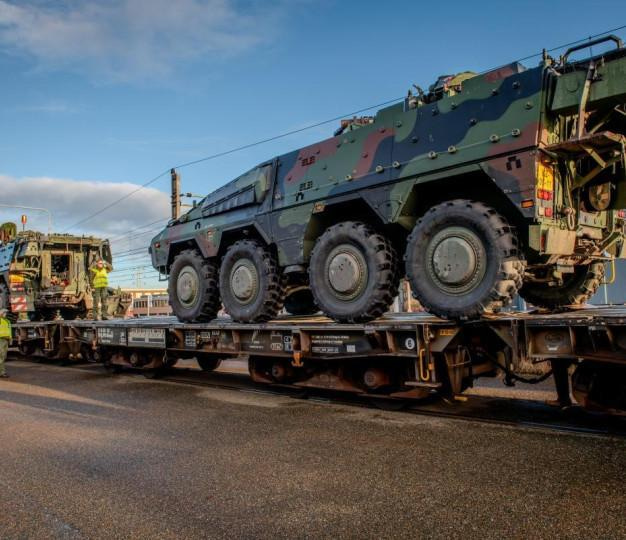
Košice: In eastern Slovakia, a short drive from the Ukrainian frontier, the European Union’s decision to rewire its largest investment policy is more than a distant abstraction. Under the mid-term review of cohesion policy, whose results were published in late March, member states have reprogrammed 34.6 billion euros of their 2021 to 2027 funds toward a set of priorities that barely featured when the current budget was drawn up. The single largest slice, 15.2 billion euros, will flow into competitiveness through critical technologies, innovation and skills, while 11.9 billion euros is earmarked for defence industrial capacity, military mobility and civil preparedness.

The remaining reallocations trace the anxieties of the moment. Some 3.3 billion euros will support affordable and sustainable housing, an issue that has climbed the political agenda as rents outpace wages across the continent. A further 3.1 billion euros goes to water resilience in a bloc scarred by drought and flooding, and 1.2 billion euros to energy security and industrial decarbonisation. To encourage regions to move quickly, the Union has offered enhanced pre-financing and higher co-financing rates, easing the strain on national treasuries. Regions bordering Russia, Belarus and Ukraine, among them the corner of Slovakia around this city, qualify for even more favourable terms in recognition of the pressures the war has placed on them.

The legal groundwork was laid last September, when the Council adopted amendments to the regulations governing the regional development, cohesion and social funds, giving managing authorities the flexibility to shift money without renegotiating entire programmes. The Commissioner responsible has framed the exercise as proof that cohesion policy can adapt to a changed world rather than remain locked into commitments written for calmer times.

That adaptability is precisely what worries some in the field. Cohesion policy exists to narrow the gaps between Europe’s richer and poorer regions, and critics fear that a pivot toward defence and competitiveness risks hollowing out that founding purpose. Local and regional authorities have pressed for assurances that money redirected to strategic priorities will still reach the places that need it most, rather than the industrial heartlands already best equipped to absorb it. The debate feeds directly into a larger fight now opening over the Union’s next long-term budget, where proposals to route cohesion funding through national plans have alarmed those who want regional voices kept at the centre of decisions.

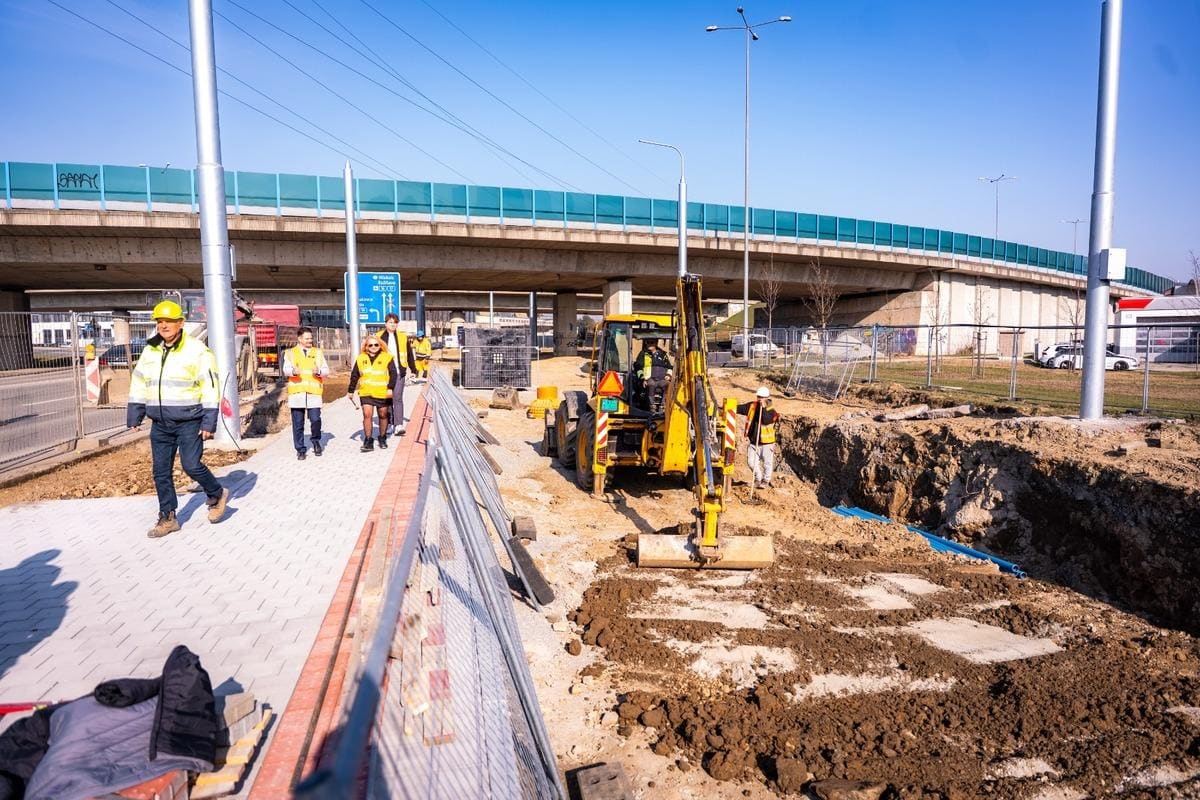
For a region that has spent years building roads, schools and enterprise zones with European support, the reprogramming is a reminder that the funds are a political instrument as much as a development one. Whether the shift toward security and competitiveness strengthens places like eastern Slovakia or quietly redirects attention away from them will depend on how the money is spent in the two years that remain, and on the shape of the budget that follows. The coming negotiations will decide whether cohesion remains a policy of places or becomes an instrument of priorities set far above them.