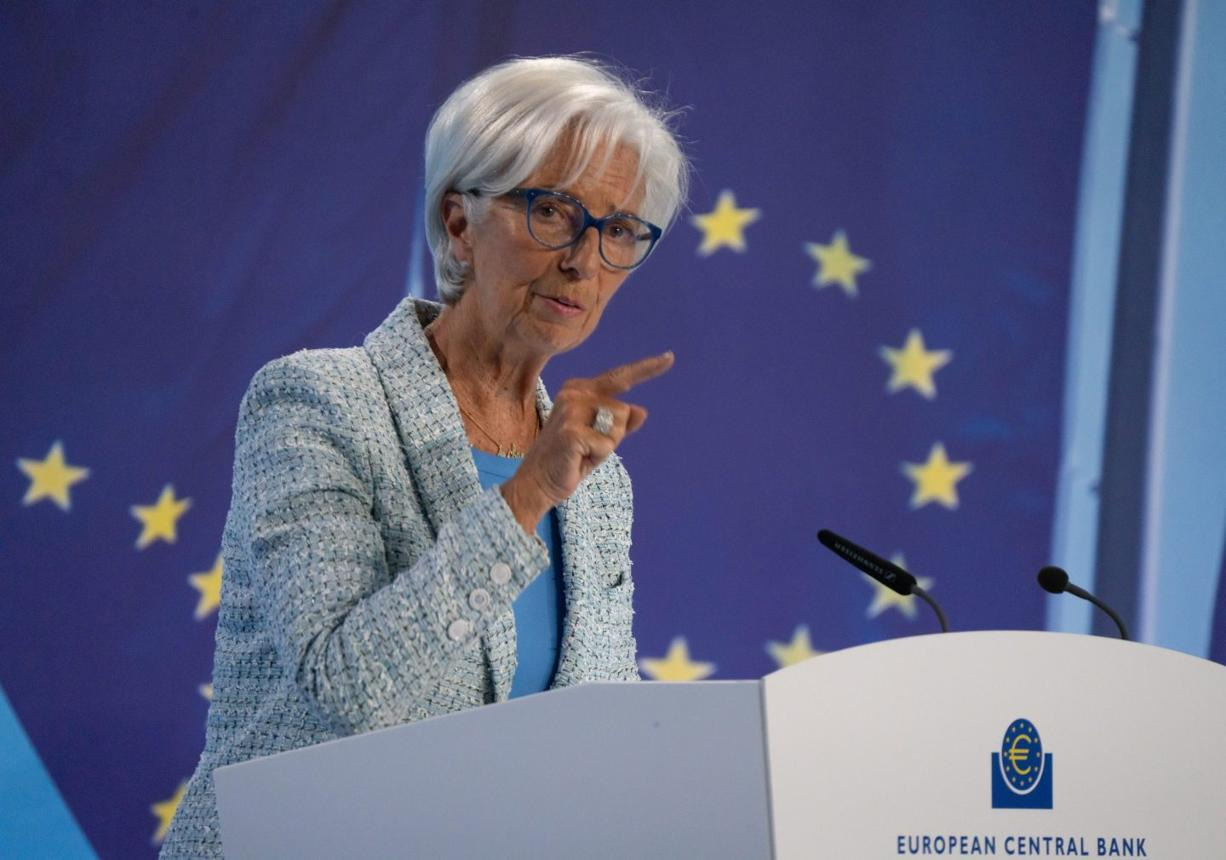
Dublin: Mortgage holders across the euro area are bracing for the European Central Bank’s verdict this week, and most economists expect the answer to be a pause. After lifting its deposit rate to 2.25% in June, the Governing Council looks set to leave borrowing costs untouched when it meets on 23 July.
The June move caught many traders off guard. The bank raised all three of its key rates by a quarter point, pushing the main refinancing rate to 2.40% and the marginal lending facility to 2.65%. Policymakers framed the increase as a response to fresh inflation pressure flowing from the conflict in the Middle East, which has driven energy prices higher and threatened to seep into the wider price basket.
The official statement described the decision as robust across a range of scenarios, a phrase that signalled conviction rather than a one-off reaction. Even so, the bank stopped short of promising more, leaving itself room to wait and watch how the shock unfolds.
Money markets now price a July hold as overwhelmingly likely. Investors read the pricing as a bet that policymakers want to see June’s tightening feed through the economy before adding to it. Known inflation pressure, on this view, does not yet justify another adjustment so soon after the last.
For households the stakes are immediate. Higher rates mean steeper tracker mortgages in Ireland, costlier car loans in Germany and tighter conditions for small firms that lean on bank credit. Savers, for their part, finally earn a real return after years of near-zero deposits, a quiet shift that reshapes household budgets from Lisbon to Helsinki.
Banks sit in the middle of that shift. Lenders reprice loans faster than they lift deposit rates, so wider margins flatter their profits even as customers grumble. Supervisors watch the balance nervously, mindful that a sudden jump in defaults among stretched borrowers could turn a healthy quarter into a warning sign.
The deeper question is where the ceiling sits. Hawks on the council warn that energy-driven inflation could prove stubborn and argue for keeping the door open to further increases. Doves counter that euro-area growth remains fragile and that squeezing borrowers too hard risks tipping momentum into reverse.
Thursday’s decision, and the tone of the press conference that follows, will tell borrowers and businesses which camp holds sway. A calm hold with a watchful message would suggest the June hike was a precaution rather than the start of a climb. Any hint of alarm about prices, however, and markets will brace for borrowing costs to grind higher into the autumn.