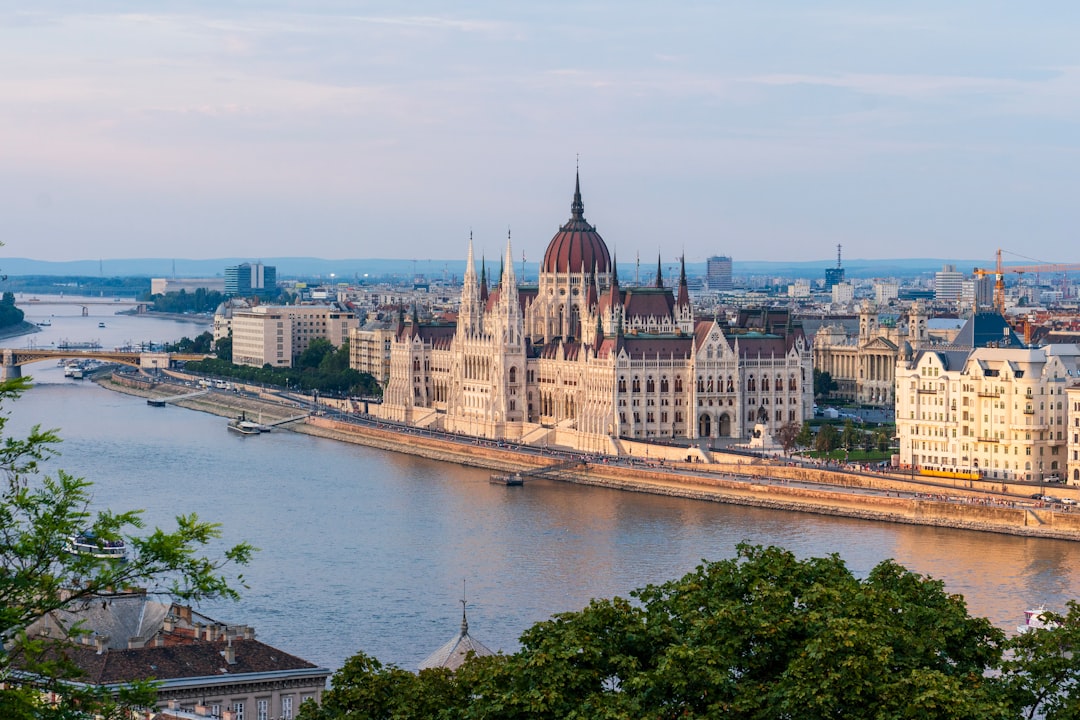
Budapest: For the first time in more than a decade, the conversation between Hungary and the rest of the union is not a confrontation but a negotiation. After Viktor Orban lost office in the April election and Peter Magyar’s Tisza party swept to a commanding parliamentary majority, the new government has set itself the task of prying loose billions of euros that were frozen over concerns about corruption and the rule of law.
The sums at stake are enormous for a country of Hungary’s size. Talks between the new prime minister and the Commission president centre on the release of some seventeen billion euros in funds that were withheld under the conditionality mechanism, the budget tool that ties access to money to respect for the rule of law. Budapest has been told it must satisfy the remaining conditions by the end of August to open the tap, with the first payments potentially flowing before the year is out.
The freeze itself was a landmark. When the Commission triggered the mechanism, it suspended a vast tranche of cohesion money and recovery funds, an unprecedented use of financial leverage to enforce democratic standards. For years the previous government treated the conditions as political blackmail and offered only selective, partial compliance, calculating that the economic pain of frozen funds was preferable to the domestic cost of genuine reform.
The new administration has made a different calculation. It has signalled willingness to address the judicial independence, anti-corruption and transparency concerns that underpinned the suspension, framing the restoration of the rule of law as both a democratic obligation and an economic necessity. The justice commissioner has spoken of a clear and steadfast path, a notably warmer register after years of deadlock and litigation between Budapest and the union’s institutions.
The episode has become a test case for whether financial conditionality actually works. Sceptics long argued that withholding money would simply harden a defiant government and punish ordinary citizens without changing behaviour at the top. The change of administration complicates that verdict. Reform is arriving not because the previous leadership relented but because voters replaced it, leaving open the question of whether the mechanism deserves credit or merely happened to coincide with a political turn.
For the union, the stakes extend well beyond one country. How the Commission handles the unfreezing will set expectations for every future standoff over democratic backsliding. Release the money too readily and critics will say the conditions were never serious; hold it back despite genuine reform and the union risks looking punitive toward a government elected to mend the relationship. Officials insist the assessment will be technical and evidence-based, measured against concrete milestones rather than goodwill.
Inside Hungary, the negotiations carry a heavy domestic charge. The funds are meant to flow into regional development, infrastructure and the green transition, areas where years of frozen money have left visible gaps. A government that promised renewal now has to deliver the institutional changes that unlock the cash, knowing that voters will judge it on whether the billions arrive. The end-of-August deadline gives the bargaining a hard edge, and the coming weeks will show whether a decade of confrontation can give way to a workable settlement.