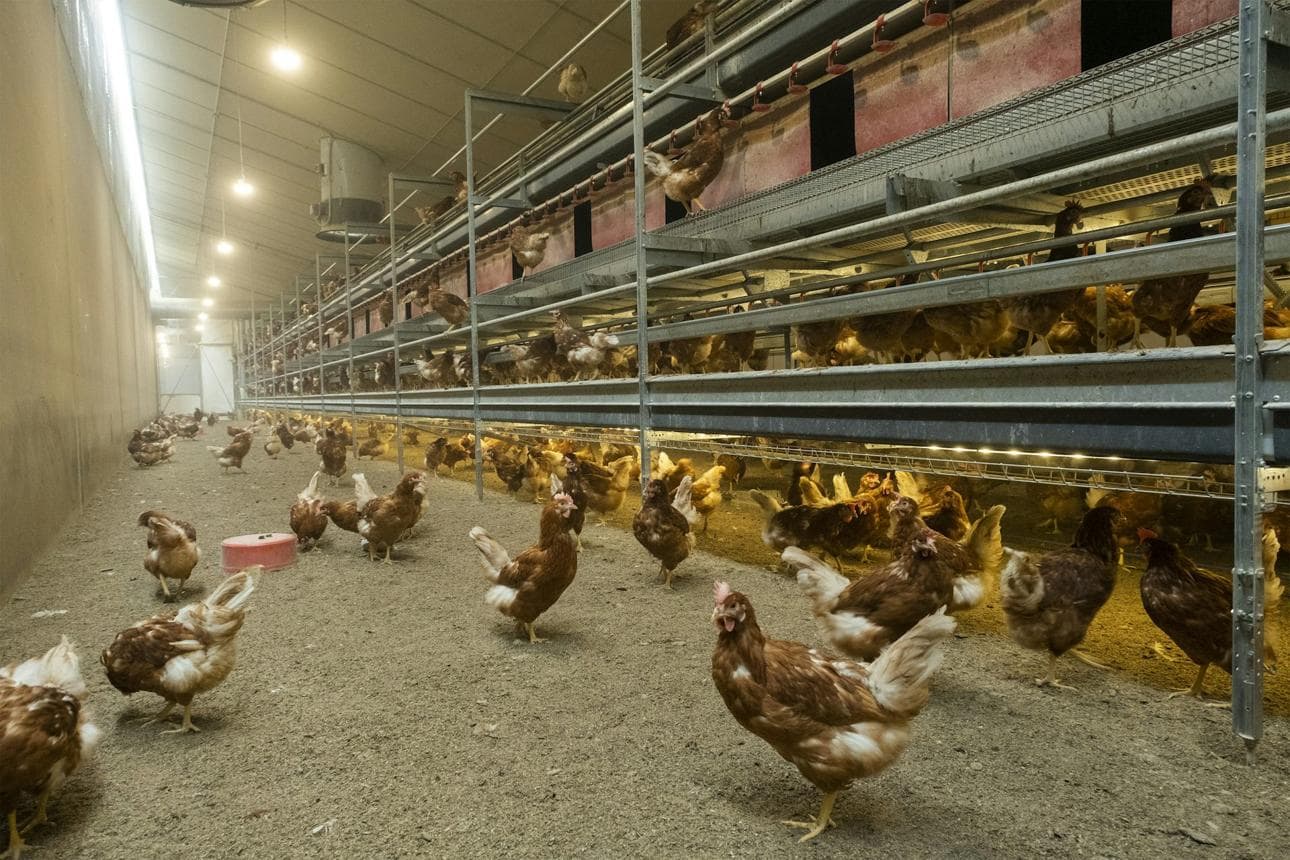
Rennes: A long-running campaign to make Europe’s farms cage-free has entered its final stretch, with animal-welfare groups starting a countdown to the legislative proposal the Commission has promised but repeatedly delayed. In the farmland around Rennes, where laying hens and sows fill barns across Brittany, the coming months will decide how fast the cages come out.
Campaigners marked World Cage-Free Day this summer by launching a 190-day countdown to the moment they expect Brussels to publish its long-awaited plan. The pressure traces back to a citizens’ initiative that gathered roughly 1.4 million signatures and pushed lawmakers to demand a phase-out, once floated for as early as 2027.
The Commission has folded the question into its wider overhaul of animal-welfare law. Officials say they will bring forward proposals for the first sectors during 2026, after years of consultation and impact work. Welfare groups remember an earlier promise, made and then missed, to deliver a caged-farming plan by the end of 2023, and they want no repeat.
Farmers watch the clock with sharper worries. Switching from cages to barn, free-range or enriched systems costs money, space and time, and producers want long transition periods plus real support to rebuild their sheds. Egg and pork sectors warn that a rushed ban could hand market share to imports from countries with looser rules.
That import gap sits at the heart of the fight. Campaigners want any EU ban matched by equivalent standards on products arriving from abroad, so that European farmers who invest in higher welfare are not undercut. Without mirror measures, they argue, the reform would simply export the cages rather than end them.
Science gives the Commission cover to move. The Union’s food-safety advisers have repeatedly found that cages restrict natural behaviour and harm animal health, strengthening the case for change. Retailers have read the same signal, and many large chains have already pledged to drop cage-produced eggs from their shelves.
Politics still complicates the timetable. A farming sector bruised by protests over green rules has made ministers wary of piling on new costs, and some capitals would rather slow the welfare package than rush it. The Commission must weigh that mood against a citizens’ mandate it has publicly accepted.
Advocates have set out their demands on the campaign’s site, while the Commission tracks its promised revision on its animal-welfare pages.
The countdown now runs in public view. If Brussels meets it, Europe could set a date to close the cage era on its farms. If it slips again, the movement that put the issue on the agenda has shown it can keep the pressure on.