
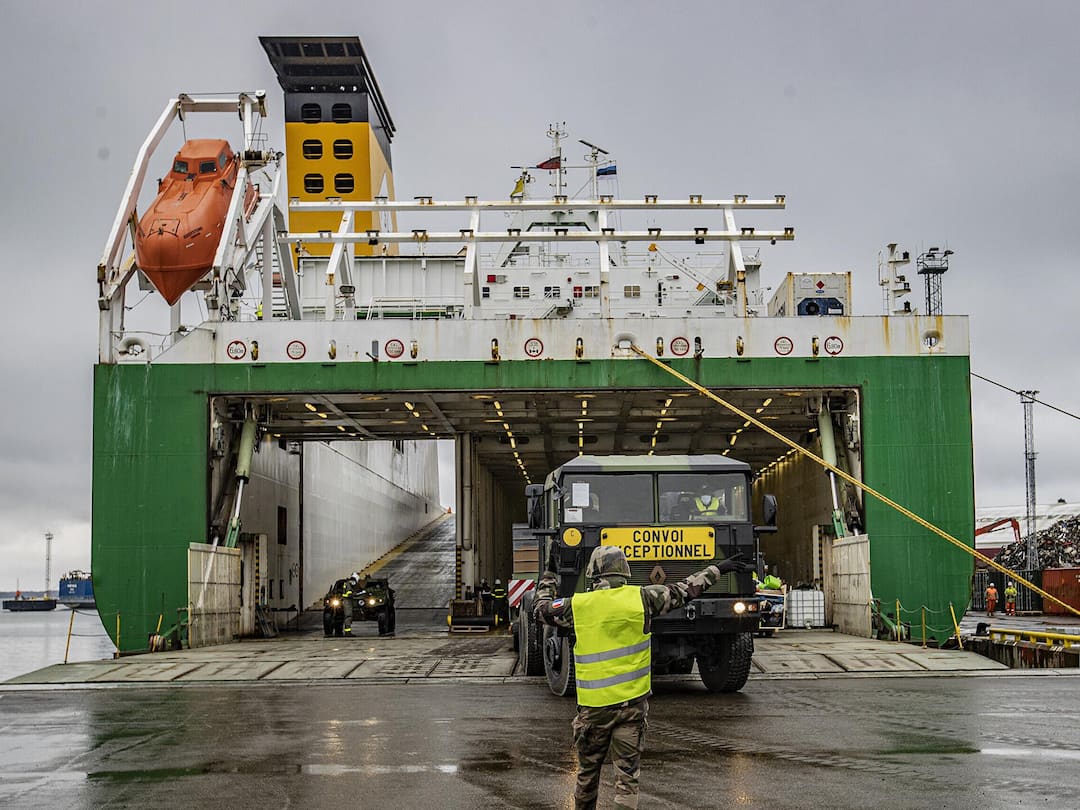
Tallinn: Money once earmarked for bridges and business parks is being rerouted toward barracks and military logistics. Under the mid-term review of the EU’s regional policy, member states have redirected tens of billions of euros in cohesion funds toward defence, housing, water resilience and energy security.
The reprogramming is striking in scale. Governments reallocated roughly 34.6 billion euros to the priorities the European Commission flagged as urgent, with about 11.9 billion euros channelled specifically into defence capabilities, military mobility and civil preparedness. Affordable housing, water infrastructure and industrial decarbonisation absorbed most of the rest.
The shift reflects a Europe rattled by war on its doorstep and anxious about its own readiness. Cohesion policy was designed to narrow the gap between richer and poorer regions, funding roads, laboratories and job schemes in places left behind. Turning that instrument toward tanks and troop movements marks a notable change in what the bloc considers a regional development priority.
To speed the pivot, Brussels dangled generous terms. Defence and housing projects financed through the reallocated money can receive thirty per cent pre-financing during 2026 and, in many cases, full EU co-financing, removing the need for cash-strapped national or regional budgets to chip in. Programmes that devote at least fifteen per cent of their allocation to the new priorities earn bonus pre-financing and extra time to spend it. The Commission set out the results on its regional policy newsroom.
Eastern border regions received the most favourable conditions of all, a nod to their exposure and to the appetite of governments there for military mobility corridors and civil-defence stockpiles. In total, well over a hundred programmes across most member states were amended to fit the new template.
The change has not gone unchallenged. Critics, including some regional politicians and green campaigners, warn that cohesion policy risks becoming an emergency toolbox raided whenever a new crisis appears. Every euro moved to defence, they argue, is a euro not spent on the schools, clinics and clean-energy projects that the funds were meant to deliver. Poorer regions could lose out if their development needs are quietly downgraded.
Supporters counter that flexibility is exactly the point. A budget locked into decade-old spending plans would leave Europe unable to respond to fast-changing threats, and security, they say, is itself a precondition for the prosperity cohesion policy seeks. The debate over that trade-off runs straight into negotiations on the EU’s next long-term budget. Background on the wider policy sits on the Commission’s cohesion pages.
For now, the reprogramming shows how quickly priorities can move once the political will exists. The harder question is whether Europe can defend itself and still keep faith with the regions that have long depended on these funds to catch up.


