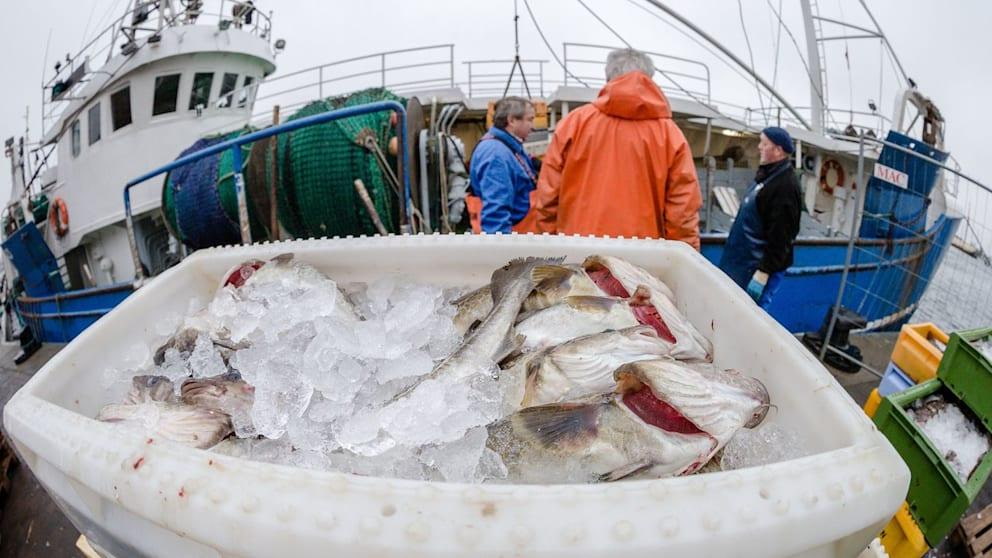
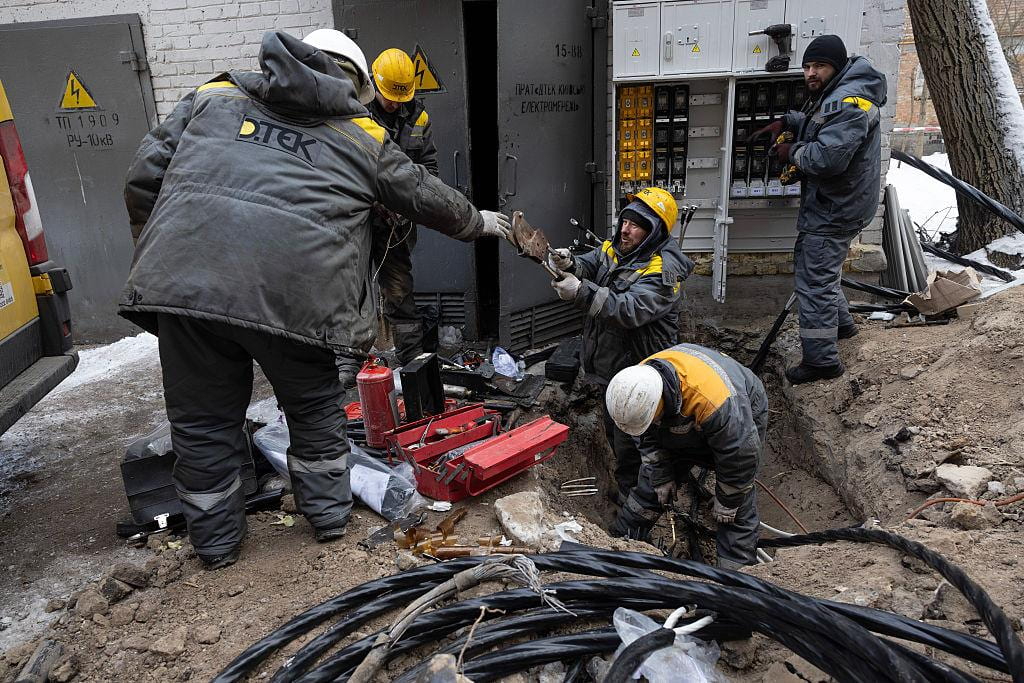
Rennes: The European Commission has approved a €212 million French state aid scheme for agricultural and aquaculture companies hit by higher fuel prices linked to the Middle East crisis, according to a report on 22 June 2026. The decision, filed under case number SA.123666, shows how the Commission applies the new temporary rules when fuel costs squeeze primary producers.
The scheme covers non-road diesel, known in France as gazole non routier, which farms and fish farms use for machinery and equipment. According to the Commission, prices for this fuel rose by 74% between February and May 2026, and the average additional cost was €0.41 per litre compared with the 2025 average. The French state aid scheme responds with direct grants of €0.15 per litre for fuel bought between 1 May and 31 August 2026, calculated on the amount purchased.
The Commission cleared the measure under the Middle East Crisis Temporary State Aid Framework, a set of rules adopted on 29 April 2026 that allows limited and time-bound assistance. It assessed the scheme under Article 107(3)(c) of the Treaty on the Functioning of the European Union, which permits aid for certain economic activities when specific conditions are met. The Commission found that the scheme meets the conditions of the temporary framework, and the scheme runs until 31 December 2026.
The conditions explain why Brussels accepted the aid. The French state aid scheme is limited in time, supported by a defined budget and tied to a measurable cost increase rather than a general subsidy. That design keeps the distortion of competition small, which is the test the Commission applies whenever a government wants to shield a sector from a price shock.
Several details remain unpublished. The report does not name the French ministry behind the scheme, the number of eligible companies or any cap per company, and it carries no reaction from farm unions. The Commission will publish a non-confidential version of the decision in its State aid register, and that document should answer the open questions on eligibility and payment timing.
The case also signals a pattern. Governments across the Union face farmers and fishers who cannot pass higher fuel bills on to buyers, and the temporary framework gives them a ready template. Other member states are likely to copy the French state aid scheme and notify similar schemes, and the Commission will compare them against this one for scale and conditions.
For competitors outside France, the question is whether such aid tilts the market. A grant of €0.15 per litre offsets only part of the €0.41 increase, and it ends with the four-month purchase window, which limits the lasting advantage. Producers and competition lawyers will watch the register for the full text of the French state aid scheme and for any similar notifications before the framework expires.