August 9, 2026
LATEST
New EU Gas Market Rules Take Effect With Consumer SafeguardsDeforestation Regulation Holds Its December Deadline Despite CutsDigital Omnibus Delays Europe’s High-Risk AI Deadline to 2027Europe’s Schools Confront a Widening Basic Skills GapRule of Law Report Finds Progress but Trust Still LagsIRIS2 Gains 66 Satellites as Brussels Signs the Rollout DealNature Restoration Plans Come Due as Member States Race a DeadlineECB Rates Hold at 2.25 Percent as Frankfurt Waits on the DataEU Budget Talks Turn to Cohesion as Ireland Takes OverWildfire Response Stretches Europe’s Emergency Fleet ThinCan Europe’s Quantum Plan Match Its Big Ambitions?Armenia Edges West as Moscow’s Grip Slips AwayEurope Inherits the World’s Aid Bill It Cannot Fully PayAir Passenger Rights Get Their First Overhaul in Two DecadesErasmus Opens a 5 Billion Euro Round for Skills and MobilityCeuta Crisis Pushes the EU Toward Faster Migrant ReturnsBulky Parcels Face a Packaging Crackdown From August 12Can Europe Build Its Drone Wall Before 2030 Arrives?Indonesia’s Trade Deal With Europe Nears Its Final SignatureEurope Leans on Beijing to Keep Climate Talks Alive Before AntalyaNew EU Gas Market Rules Take Effect With Consumer SafeguardsDeforestation Regulation Holds Its December Deadline Despite CutsDigital Omnibus Delays Europe’s High-Risk AI Deadline to 2027Europe’s Schools Confront a Widening Basic Skills GapRule of Law Report Finds Progress but Trust Still LagsIRIS2 Gains 66 Satellites as Brussels Signs the Rollout DealNature Restoration Plans Come Due as Member States Race a DeadlineECB Rates Hold at 2.25 Percent as Frankfurt Waits on the DataEU Budget Talks Turn to Cohesion as Ireland Takes OverWildfire Response Stretches Europe’s Emergency Fleet ThinCan Europe’s Quantum Plan Match Its Big Ambitions?Armenia Edges West as Moscow’s Grip Slips AwayEurope Inherits the World’s Aid Bill It Cannot Fully PayAir Passenger Rights Get Their First Overhaul in Two DecadesErasmus Opens a 5 Billion Euro Round for Skills and MobilityCeuta Crisis Pushes the EU Toward Faster Migrant ReturnsBulky Parcels Face a Packaging Crackdown From August 12Can Europe Build Its Drone Wall Before 2030 Arrives?Indonesia’s Trade Deal With Europe Nears Its Final SignatureEurope Leans on Beijing to Keep Climate Talks Alive Before Antalya
August 9, 2026
LATEST
New EU Gas Market Rules Take Effect With Consumer SafeguardsDeforestation Regulation Holds Its December Deadline Despite CutsDigital Omnibus Delays Europe’s High-Risk AI Deadline to 2027Europe’s Schools Confront a Widening Basic Skills GapRule of Law Report Finds Progress but Trust Still LagsIRIS2 Gains 66 Satellites as Brussels Signs the Rollout DealNature Restoration Plans Come Due as Member States Race a DeadlineECB Rates Hold at 2.25 Percent as Frankfurt Waits on the DataEU Budget Talks Turn to Cohesion as Ireland Takes OverWildfire Response Stretches Europe’s Emergency Fleet ThinCan Europe’s Quantum Plan Match Its Big Ambitions?Armenia Edges West as Moscow’s Grip Slips AwayEurope Inherits the World’s Aid Bill It Cannot Fully PayAir Passenger Rights Get Their First Overhaul in Two DecadesErasmus Opens a 5 Billion Euro Round for Skills and MobilityCeuta Crisis Pushes the EU Toward Faster Migrant ReturnsBulky Parcels Face a Packaging Crackdown From August 12Can Europe Build Its Drone Wall Before 2030 Arrives?Indonesia’s Trade Deal With Europe Nears Its Final SignatureEurope Leans on Beijing to Keep Climate Talks Alive Before AntalyaNew EU Gas Market Rules Take Effect With Consumer SafeguardsDeforestation Regulation Holds Its December Deadline Despite CutsDigital Omnibus Delays Europe’s High-Risk AI Deadline to 2027Europe’s Schools Confront a Widening Basic Skills GapRule of Law Report Finds Progress but Trust Still LagsIRIS2 Gains 66 Satellites as Brussels Signs the Rollout DealNature Restoration Plans Come Due as Member States Race a DeadlineECB Rates Hold at 2.25 Percent as Frankfurt Waits on the DataEU Budget Talks Turn to Cohesion as Ireland Takes OverWildfire Response Stretches Europe’s Emergency Fleet ThinCan Europe’s Quantum Plan Match Its Big Ambitions?Armenia Edges West as Moscow’s Grip Slips AwayEurope Inherits the World’s Aid Bill It Cannot Fully PayAir Passenger Rights Get Their First Overhaul in Two DecadesErasmus Opens a 5 Billion Euro Round for Skills and MobilityCeuta Crisis Pushes the EU Toward Faster Migrant ReturnsBulky Parcels Face a Packaging Crackdown From August 12Can Europe Build Its Drone Wall Before 2030 Arrives?Indonesia’s Trade Deal With Europe Nears Its Final SignatureEurope Leans on Beijing to Keep Climate Talks Alive Before Antalya

Council Backs a Leaner Horizon Europe for the Post-2027 Decade

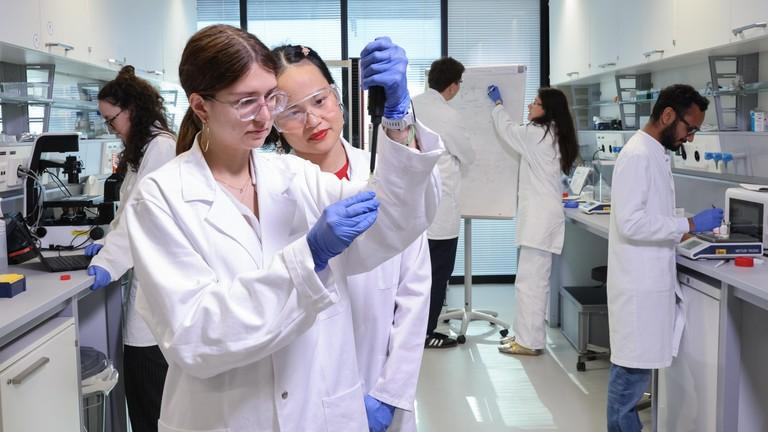
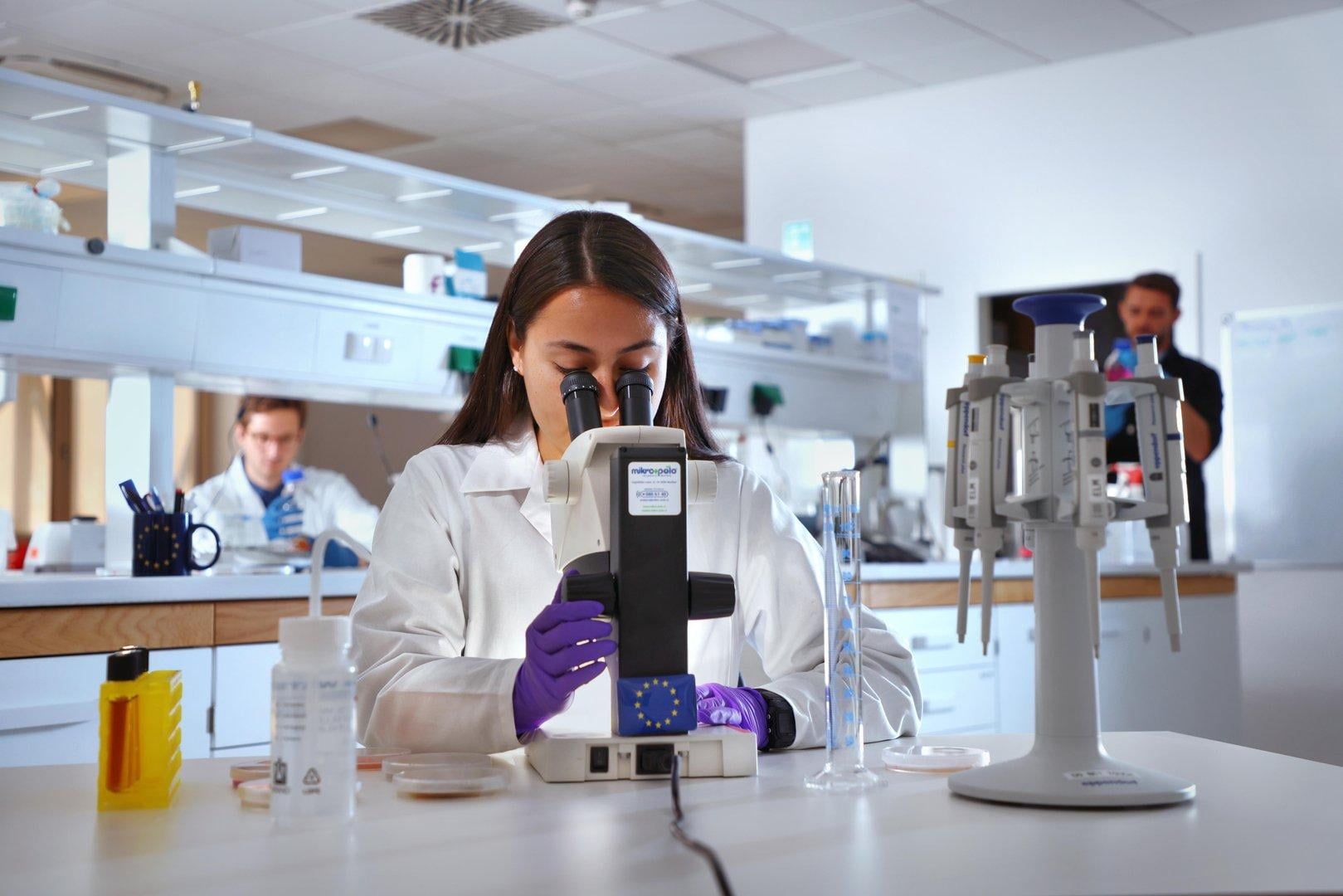
Grenoble: In the laboratories of this Alpine research hub, where European science funding translates into microscopes, salaries and start-ups, attention has turned to a decision taken far away in a Council meeting room. On 26 June the member states agreed a partial negotiating position on the next European research programme, the successor to the current framework that will run from 2028 to 2034 and that, after some debate, will keep the Horizon Europe name. The agreement covers both the regulation establishing the programme and the decision setting out how it will be implemented, and it moves the Union a step closer to settling how it will fund its scientists for the better part of a decade.

The stakes are considerable. The Commission has proposed a budget of around 175 billion euro for research and innovation within the next long-term financial framework, a headline figure that researchers greeted with a mixture of relief and suspicion. Relief, because it signals that research retains its status as a priority even amid competing demands from defence, agriculture and cohesion; suspicion, because a large notional envelope can conceal how much money is genuinely additional, how much is redirected from elsewhere, and how much is ring-fenced for purposes that scientists would not have chosen.

The structural changes matter as much as the sum. The next programme is being shaped by a growing emphasis on turning research into marketable innovation, an agenda crystallised in the proposed Innovation Act and in the addition of a new pillar aimed at scaling up companies and deploying technologies rather than merely discovering them. For a continent repeatedly told that it is good at inventing and bad at commercialising, the logic is intuitive. The worry among fundamental researchers is that the pendulum swings too far toward applied, market-ready work, starving the curiosity-driven science from which breakthroughs unpredictably emerge.

Grenoble embodies the tension. It is a place where basic physics and industrial application already sit side by side, and where researchers understand that the two are not enemies but that the balance between them is easily lost. The European Research Council, which funds frontier science on the basis of excellence alone, has become the programme’s most fiercely defended component precisely because it resists the pressure to justify every grant by its commercial payoff.

The politics of the negotiation are their own drama. A partial position is exactly that: member states have agreed enough to begin talks with the European Parliament, but the hardest questions, above all the final budget, remain hostage to the wider fight over the Union’s next financial framework. Research funding is never decided in isolation; it competes line by line against every other ambition the Union holds, and in a period of strained public finances and rising defence spending, the pressure on the science budget is unlikely to relent.

There is also the matter of association. The programme’s reach extends beyond the Union’s borders through agreements that let non-member countries participate, and the terms on which partners join the next round carry both scientific and strategic weight. Collaboration is the lifeblood of modern research, and a programme that turns inward in the name of strategic autonomy would risk cutting European science off from talent and partnerships it cannot replicate alone.

For the researchers watching from benches in Grenoble and elsewhere, the June agreement is a milestone rather than a destination. The shape of the programme, its balance between discovery and deployment, its openness to the world, and above all its final budget, will be settled in the negotiations still to come. What the Council has done is start the clock. What Europe builds with the next seven years of research money is the decision that still lies ahead.