Porto: Cultural organisations across the continent have spent the summer poring over a familiar document with unfamiliar stakes. The 2026 Creative Europe work programme, worth roughly 380 million euros, sets out how the Union will bankroll film, music, publishing and the arts through a year in which many venues are still repairing their finances after a bruising decade.
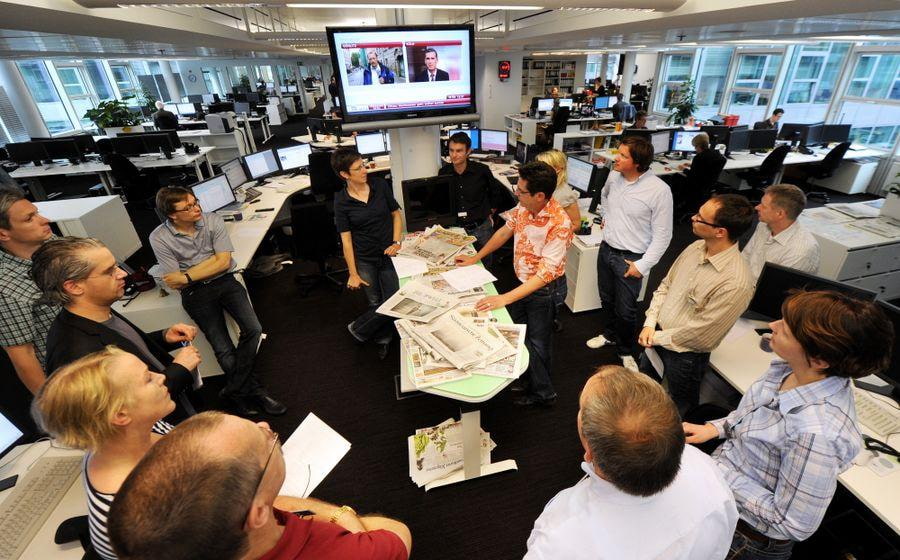
The Commission has framed the programme around three strands. The Culture strand funds cross-border cooperation and mobility for artists. The MEDIA strand backs film and television production, distribution and cinema networks. A cross-sectoral strand ties the two together and pushes the newsroom and media-literacy projects that the Union increasingly treats as a democratic safeguard rather than a cultural nicety.
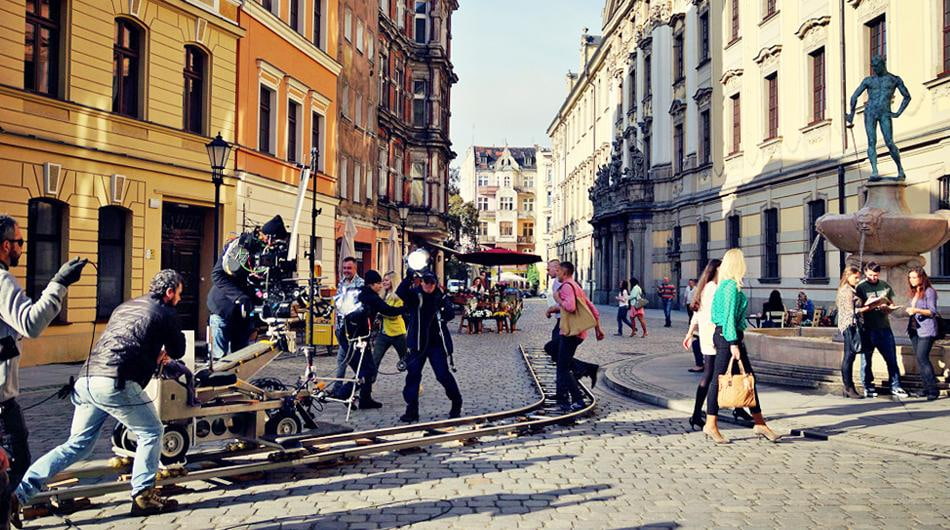
Money has begun to move. In March the Commission earmarked 60 million euros for cultural cooperation projects, expecting to support around 150 partnerships that pool talent and audiences across borders. Several audiovisual calls closed their applications on 9 July, and administrators now wait to learn which cinema networks and sustainability-minded productions make the cut.
What sets this cycle apart is the weight the programme places on transitions. Applicants win points for cutting the carbon footprint of a tour or a shoot, for reaching audiences who rarely see subsidised work, and for building the digital tools that let a small theatre survive between grants. The Union no longer treats culture as an ornament to its economy; officials describe the creative sectors as employers, exporters and a front line in the contest over democratic attention.
That reframing carries risk. Producers warn that stacking green, digital and social conditions onto every application favours large institutions with grant-writing teams over the independent makers the programme claims to serve. A regional dance company in northern Portugal cannot always spare a specialist to translate its ambitions into the language of Union metrics.
Supporters answer that the alternative, scattering money without direction, would waste a budget that already looks thin against the scale of Europe’s cultural output. They point to the programme’s record of seeding tours and co-productions that private financiers would never have touched. The green and digital tests, they argue, simply steer that seed money toward work that lasts.
The stakes reach past the current cycle. Negotiations over the Union’s next long-term budget will decide whether Creative Europe grows, holds or shrinks after 2027, and every euro spent well this year strengthens the case for continuity. Cultural bodies that treat 2026 as a proving ground know the audience that matters most sits in the finance ministries, not the front row.
For now, the calls are open and the deadlines are real. Organisations weighing an application face a plain calculation: the paperwork is heavier than it was, but the money on offer remains some of the only cross-border support a European artist can reliably chase.