August 9, 2026
LATEST
New EU Gas Market Rules Take Effect With Consumer SafeguardsDeforestation Regulation Holds Its December Deadline Despite CutsDigital Omnibus Delays Europe’s High-Risk AI Deadline to 2027Europe’s Schools Confront a Widening Basic Skills GapRule of Law Report Finds Progress but Trust Still LagsIRIS2 Gains 66 Satellites as Brussels Signs the Rollout DealNature Restoration Plans Come Due as Member States Race a DeadlineECB Rates Hold at 2.25 Percent as Frankfurt Waits on the DataEU Budget Talks Turn to Cohesion as Ireland Takes OverWildfire Response Stretches Europe’s Emergency Fleet ThinCan Europe’s Quantum Plan Match Its Big Ambitions?Armenia Edges West as Moscow’s Grip Slips AwayEurope Inherits the World’s Aid Bill It Cannot Fully PayAir Passenger Rights Get Their First Overhaul in Two DecadesErasmus Opens a 5 Billion Euro Round for Skills and MobilityCeuta Crisis Pushes the EU Toward Faster Migrant ReturnsBulky Parcels Face a Packaging Crackdown From August 12Can Europe Build Its Drone Wall Before 2030 Arrives?Indonesia’s Trade Deal With Europe Nears Its Final SignatureEurope Leans on Beijing to Keep Climate Talks Alive Before AntalyaNew EU Gas Market Rules Take Effect With Consumer SafeguardsDeforestation Regulation Holds Its December Deadline Despite CutsDigital Omnibus Delays Europe’s High-Risk AI Deadline to 2027Europe’s Schools Confront a Widening Basic Skills GapRule of Law Report Finds Progress but Trust Still LagsIRIS2 Gains 66 Satellites as Brussels Signs the Rollout DealNature Restoration Plans Come Due as Member States Race a DeadlineECB Rates Hold at 2.25 Percent as Frankfurt Waits on the DataEU Budget Talks Turn to Cohesion as Ireland Takes OverWildfire Response Stretches Europe’s Emergency Fleet ThinCan Europe’s Quantum Plan Match Its Big Ambitions?Armenia Edges West as Moscow’s Grip Slips AwayEurope Inherits the World’s Aid Bill It Cannot Fully PayAir Passenger Rights Get Their First Overhaul in Two DecadesErasmus Opens a 5 Billion Euro Round for Skills and MobilityCeuta Crisis Pushes the EU Toward Faster Migrant ReturnsBulky Parcels Face a Packaging Crackdown From August 12Can Europe Build Its Drone Wall Before 2030 Arrives?Indonesia’s Trade Deal With Europe Nears Its Final SignatureEurope Leans on Beijing to Keep Climate Talks Alive Before Antalya
August 9, 2026
LATEST
New EU Gas Market Rules Take Effect With Consumer SafeguardsDeforestation Regulation Holds Its December Deadline Despite CutsDigital Omnibus Delays Europe’s High-Risk AI Deadline to 2027Europe’s Schools Confront a Widening Basic Skills GapRule of Law Report Finds Progress but Trust Still LagsIRIS2 Gains 66 Satellites as Brussels Signs the Rollout DealNature Restoration Plans Come Due as Member States Race a DeadlineECB Rates Hold at 2.25 Percent as Frankfurt Waits on the DataEU Budget Talks Turn to Cohesion as Ireland Takes OverWildfire Response Stretches Europe’s Emergency Fleet ThinCan Europe’s Quantum Plan Match Its Big Ambitions?Armenia Edges West as Moscow’s Grip Slips AwayEurope Inherits the World’s Aid Bill It Cannot Fully PayAir Passenger Rights Get Their First Overhaul in Two DecadesErasmus Opens a 5 Billion Euro Round for Skills and MobilityCeuta Crisis Pushes the EU Toward Faster Migrant ReturnsBulky Parcels Face a Packaging Crackdown From August 12Can Europe Build Its Drone Wall Before 2030 Arrives?Indonesia’s Trade Deal With Europe Nears Its Final SignatureEurope Leans on Beijing to Keep Climate Talks Alive Before AntalyaNew EU Gas Market Rules Take Effect With Consumer SafeguardsDeforestation Regulation Holds Its December Deadline Despite CutsDigital Omnibus Delays Europe’s High-Risk AI Deadline to 2027Europe’s Schools Confront a Widening Basic Skills GapRule of Law Report Finds Progress but Trust Still LagsIRIS2 Gains 66 Satellites as Brussels Signs the Rollout DealNature Restoration Plans Come Due as Member States Race a DeadlineECB Rates Hold at 2.25 Percent as Frankfurt Waits on the DataEU Budget Talks Turn to Cohesion as Ireland Takes OverWildfire Response Stretches Europe’s Emergency Fleet ThinCan Europe’s Quantum Plan Match Its Big Ambitions?Armenia Edges West as Moscow’s Grip Slips AwayEurope Inherits the World’s Aid Bill It Cannot Fully PayAir Passenger Rights Get Their First Overhaul in Two DecadesErasmus Opens a 5 Billion Euro Round for Skills and MobilityCeuta Crisis Pushes the EU Toward Faster Migrant ReturnsBulky Parcels Face a Packaging Crackdown From August 12Can Europe Build Its Drone Wall Before 2030 Arrives?Indonesia’s Trade Deal With Europe Nears Its Final SignatureEurope Leans on Beijing to Keep Climate Talks Alive Before Antalya

Creative Europe Reopens Its Doors as MEDIA Turns Thirty-Five

Lisbon: A film shot in one country, funded from another, and screened across a dozen more captures what the bloc’s cultural programme exists to make possible. This year Creative Europe carries a budget of roughly three hundred and eighty million euros, and its calls for 2026 have begun opening to artists, producers, and cultural organisations hunting for support.

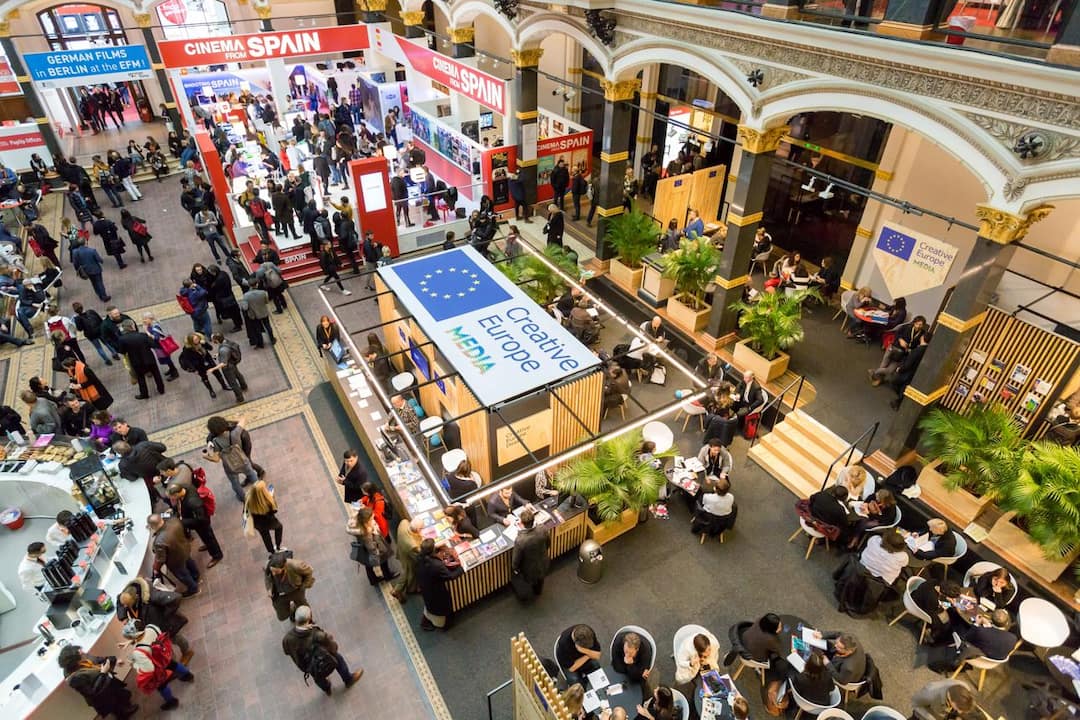
The programme splits its money across three strands. The MEDIA strand backs film and audiovisual work and marks its thirty-fifth anniversary this year, three and a half decades of nudging European stories onto screens that might otherwise fill with imports. The Culture strand supports theatre, dance, music, heritage, architecture, literature, design, and fashion. A cross-sectoral strand ties the two together and funds work that spans disciplines, including media literacy.

Specific calls give the numbers texture. A European Cooperation Projects call worth around sixty million euros aims to back roughly one hundred and fifty projects, drawing artists and organisations from every corner of the sector into cross-border partnerships. A separate co-development call under MEDIA helps independent production companies build works with genuine international reach, the kind of ambitious projects that rarely survive on a single national market alone.

The rationale runs deeper than grant-giving. Officials frame the programme as a defence of cultural diversity in a market where streaming giants and global platforms set much of the agenda. A continent of small language markets struggles to compete on scale, so pooled funding lets a Portuguese drama or a Baltic documentary find audiences it could never reach alone. The competitiveness argument has grown louder as policymakers fret about who tells Europe’s stories.

Media literacy has climbed the agenda too. A dedicated call channels a few million euros into projects that promote independent, pluralistic information and help citizens navigate a landscape thick with manipulation. Cultural policy and democratic resilience increasingly overlap, and the programme reflects that convergence by treating an informed audience as part of the cultural ecosystem rather than an afterthought.

Applicants face the familiar grind of European funding. Deadlines cluster through the year, consortiums must assemble partners across borders, and the paperwork rewards organisations that already know the system. Smaller outfits often complain that the administrative load favours seasoned applicants, a criticism the programme’s managers acknowledge as they tinker with simpler procedures for modest grants.

For the sector the message is one of continuity in an uncertain climate. The budget holds steady, the strands remain intact, and the calls keep coming, offering film-makers, musicians, and cultural workers a rare source of cross-border money at a moment when national arts budgets face pressure almost everywhere. Whether that support proves enough to match the scale of global competitors is the question the anniversary quietly raises.