Kraków: In a city that wears its cultural history openly, the Union’s flagship arts programme is trying to hold its ground through a difficult year. Creative Europe will spend around 380 million euros in 2026, steadying support for a sector squeezed by rising costs, shifting audiences and a fragile advertising market.
The programme keeps its familiar shape. It funds audiovisual production, performing arts, literature, video games, journalism and cross-border cultural projects, and it frames all of that around the defence of democracy and the twin green and digital transitions. Continuity, rather than reinvention, is the watchword for the year.
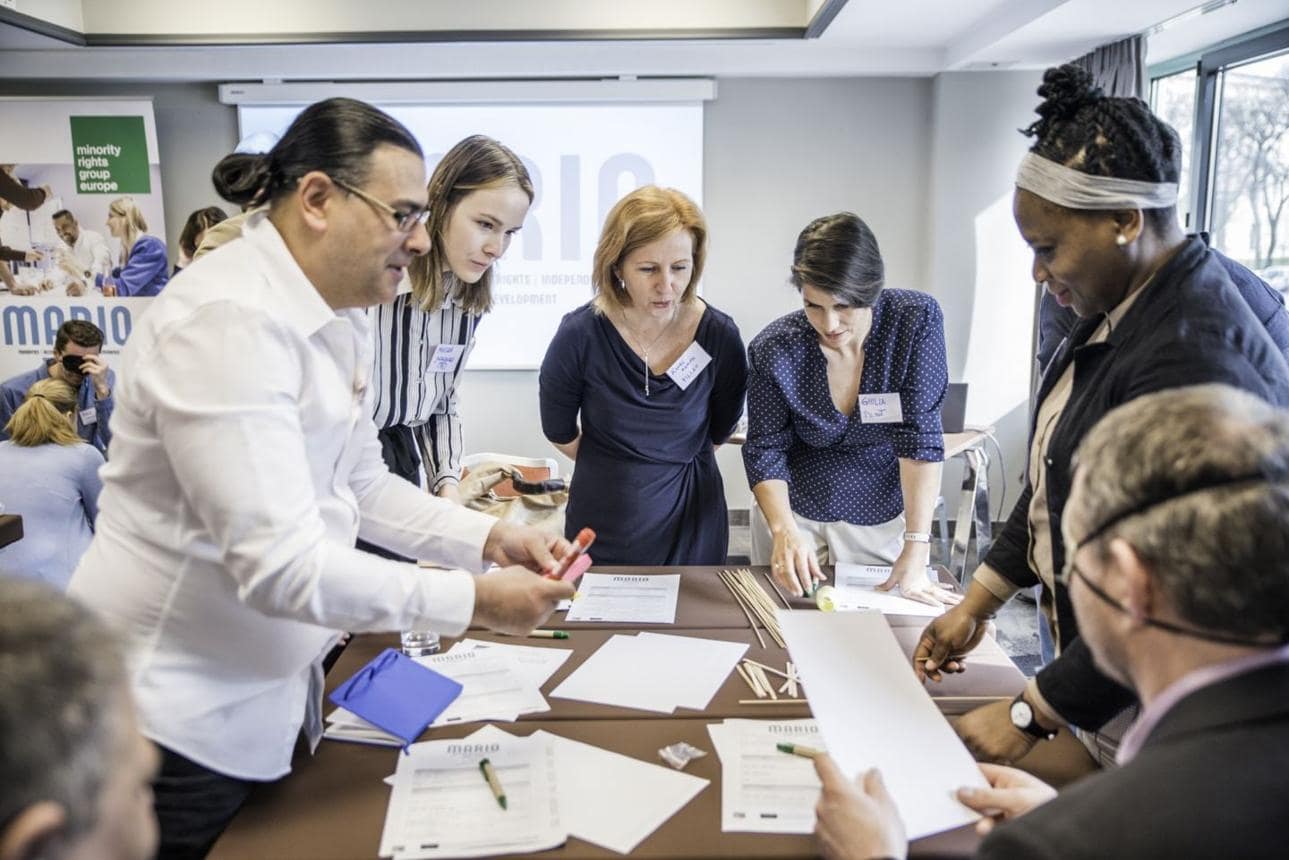
In June, more than 170 beneficiaries gathered for three days of exchange about the future of European cultural cooperation. The meeting doubled as a stocktaking exercise, as organisations compared notes on how to reach audiences that increasingly live online and how to survive between grant cycles. The Commission lists the year’s open calls on its Creative Europe pages.
Several of those calls fall due through the summer, with deadlines clustered in June and July for audiovisual and distribution schemes. For a small theatre in Poland or a documentary house in Portugal, hitting one of those dates can decide whether a project reaches a stage or a screen at all.
Money remains the sore point. A 380 million euro annual envelope sounds generous until it is spread across twenty-seven countries and a dozen art forms, and applicants routinely describe success rates that leave strong proposals unfunded. The programme’s champions argue that even modest grants unlock co-financing and give artists the confidence to work across borders.
The stakes reach beyond culture for its own sake. Officials increasingly cast the creative sector as an economic asset, a source of jobs, exports and soft power that rivals larger industries. On that reading, a healthy film or games scene is not a luxury but part of the Union’s competitiveness story.
Critics counter that the programme spreads itself thin and rewards those fluent in grant-writing over those closest to audiences. They want simpler applications and steadier, multi-year support that lets organisations plan beyond a single call. Whether the 2026 cycle answers that plea will shape how the sector greets the next long-term budget.
For now, cities like Kraków keep doing what they have always done, staging festivals and filling galleries while the funding debate plays out in committee rooms far away. The culture arrives regardless; the argument is over who pays to keep it coming.