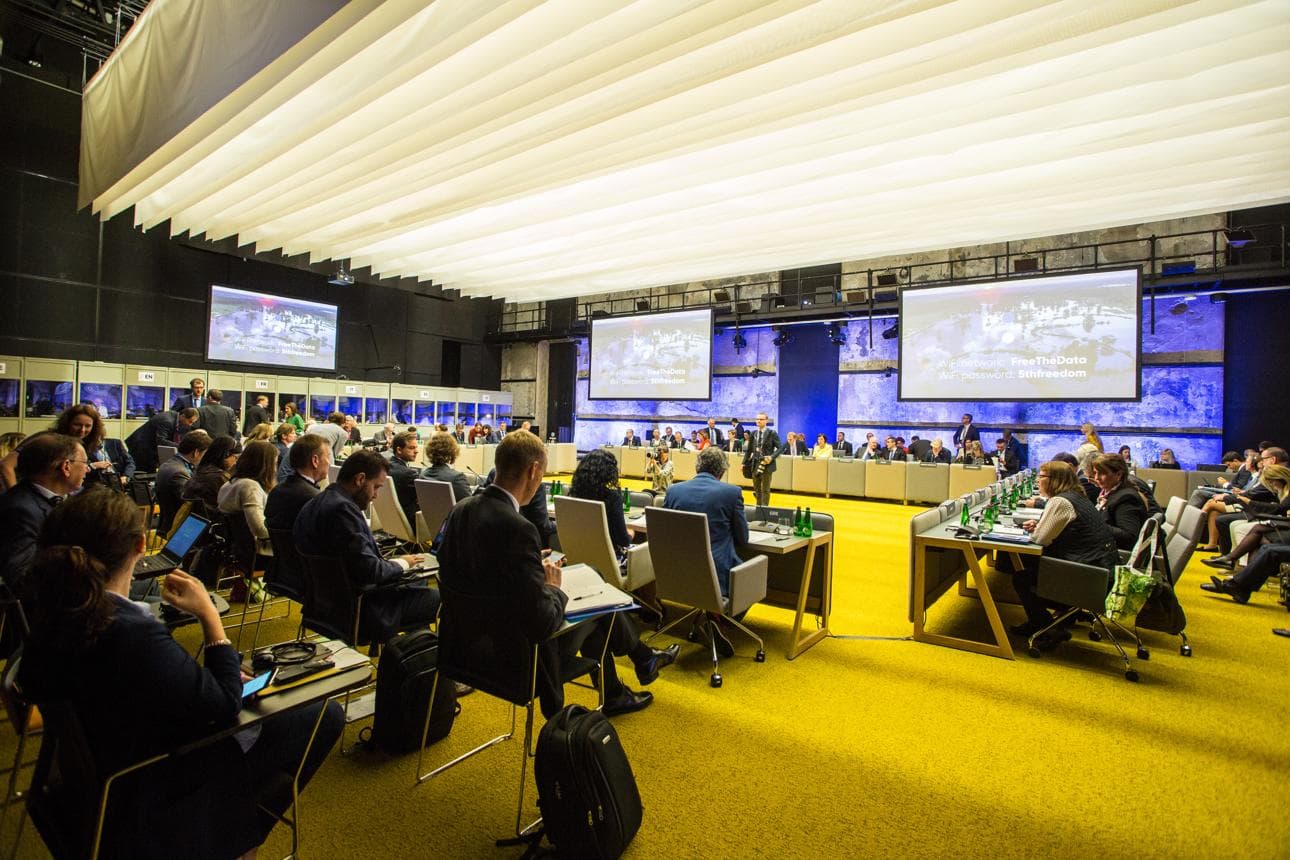
Tallinn: Europe’s film-makers, musicians, publishers and festival organisers gathered in force this summer to take stock of a sector that props up millions of jobs yet feels perpetually squeezed between shrinking public purses and the gravitational pull of global streaming platforms. More than 170 beneficiaries of the Union’s cultural funding met in June to compare notes and weigh the future of cross-border cultural cooperation.
The backdrop is the Creative Europe programme, the Union’s main instrument for supporting culture and the audiovisual industries. Its budget for the year stands at 380 million euros, a sum the Commission describes as ensuring continuity of support while the sector navigates the green and digital transitions. The programme’s stated goals reach beyond box-office receipts and book sales: it frames cultural diversity as a democratic asset and treats a healthy creative economy as part of Europe’s social and economic resilience.
That framing has grown sharper as concern about disinformation has spread. Media literacy, once a niche educational concern, now sits close to the centre of the Union’s cultural and digital policy, with grants flowing through both Creative Europe’s cross-sectoral strand and the Erasmus programme to projects that teach people, especially the young, to navigate an information landscape thick with manipulation. Virtual exchange schemes, meanwhile, try to build critical thinking and digital skills across borders without the cost of physical mobility.
Why it matters is easy to underestimate. The cultural and creative sectors are significant employers and exporters, and they carry a soft-power weight that the Union prizes as its harder instruments of influence look strained. Yet the economics are punishing. Independent producers compete for attention against platforms with budgets many times larger, small publishers and cinemas run on thin margins, and artists often piece together a living from short-term grants. A stable, if not lavish, funding stream is what keeps much of this ecosystem viable.
The tensions are familiar to anyone who follows the sector. Many in the industry argue that 380 million euros, spread across twenty-seven countries and every art form from opera to video games, is thin given the scale of the competitive challenge and the ambitions attached to it. Others question whether tying cultural money ever more tightly to policy goals such as the digital transition and democratic resilience risks instrumentalising art, bending creative work toward objectives set in Brussels rather than by artists themselves. Defenders reply that public money has always come with public purpose, and that linking culture to resilience is what secures its place in a crowded budget.
What comes next will play out in the annual work programme guiding this year’s grants and, further off, in the negotiations over the Union’s next long-term budget, where culture will compete with defence, research and cohesion for a share of finite resources. For the practitioners who met this summer, the immediate task is more prosaic: turning the available funding into films, festivals and classroom projects that reach audiences. The larger question, of how much Europe is willing to invest in its own cultural life, remains open.