Cork: Every winter the same anxious ritual returns to European pharmacies: a common antibiotic, a childhood fever syrup or a cancer drug slips onto the shortage list, and patients are told to wait or switch. The Union’s answer, the Critical Medicines Act, is now close to becoming law after the European Parliament and the Council reached a provisional agreement in mid-May, an outcome the European Medicines Agency publicly welcomed.
The Act’s premise is uncomfortable. Europe invented much of modern pharmacology yet has allowed the manufacture of the active ingredients behind everyday medicines to drift to a handful of plants, many in Asia. When one factory falters, the shortage ripples across a continent. The legislation tries to pull some of that capacity back, defining a Union list of more than 200 active substances judged critical, measured by the seriousness of the illnesses they treat and the scarcity of alternatives.
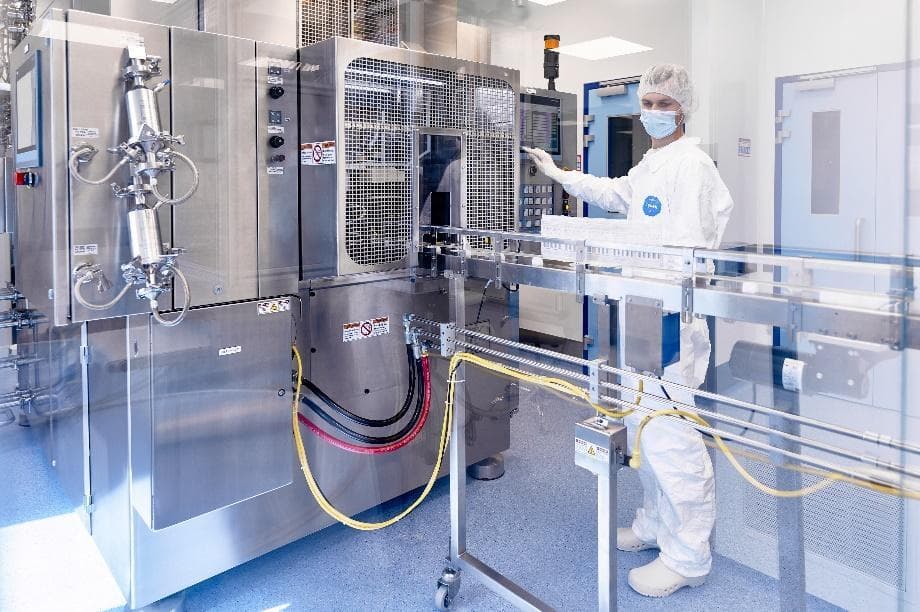
To rebuild capacity, the Act creates a category of strategic projects: investments that create, modernise or expand manufacturing of critical medicines or their ingredients inside the Union, eligible for faster permitting and other support. It sits alongside the wider revision of the Union’s pharmaceutical legislation, the so-called pharmaceutical package, which carries its own provisions on monitoring and managing supply. Together they mark the most substantial rewrite of Europe’s medicines rules in two decades.
The difficulty, as ever, is money and geography. Manufacturing generic active ingredients in Europe costs more than importing them, and someone has to absorb the difference, whether health systems through procurement that rewards resilience rather than the lowest price, or taxpayers through subsidy. Industry groups warn that without durable demand signals, new plants will struggle to compete once the political attention fades. Trade specialists add a further caution: incentives that favour domestic production can brush against the Union’s obligations under world trade rules, and against the interests of the very partner countries Europe relies on today.
Supporters counter that the pandemic and the energy shock already exposed the cost of dependence, and that a degree of strategic autonomy in medicines is worth paying for. The Act does not aim for self-sufficiency, an unrealistic goal, but for diversification, so that no single supplier or region can hold a therapy hostage.
The agreed text still needs formal endorsement by both institutions and is expected in the Official Journal towards the end of the year, with application dates to follow. For patients, the effect will be gradual rather than sudden; factories take years to build and qualify. But the direction is set. Europe has decided that the security of its medicine cabinet is no longer something it can safely outsource and forget.