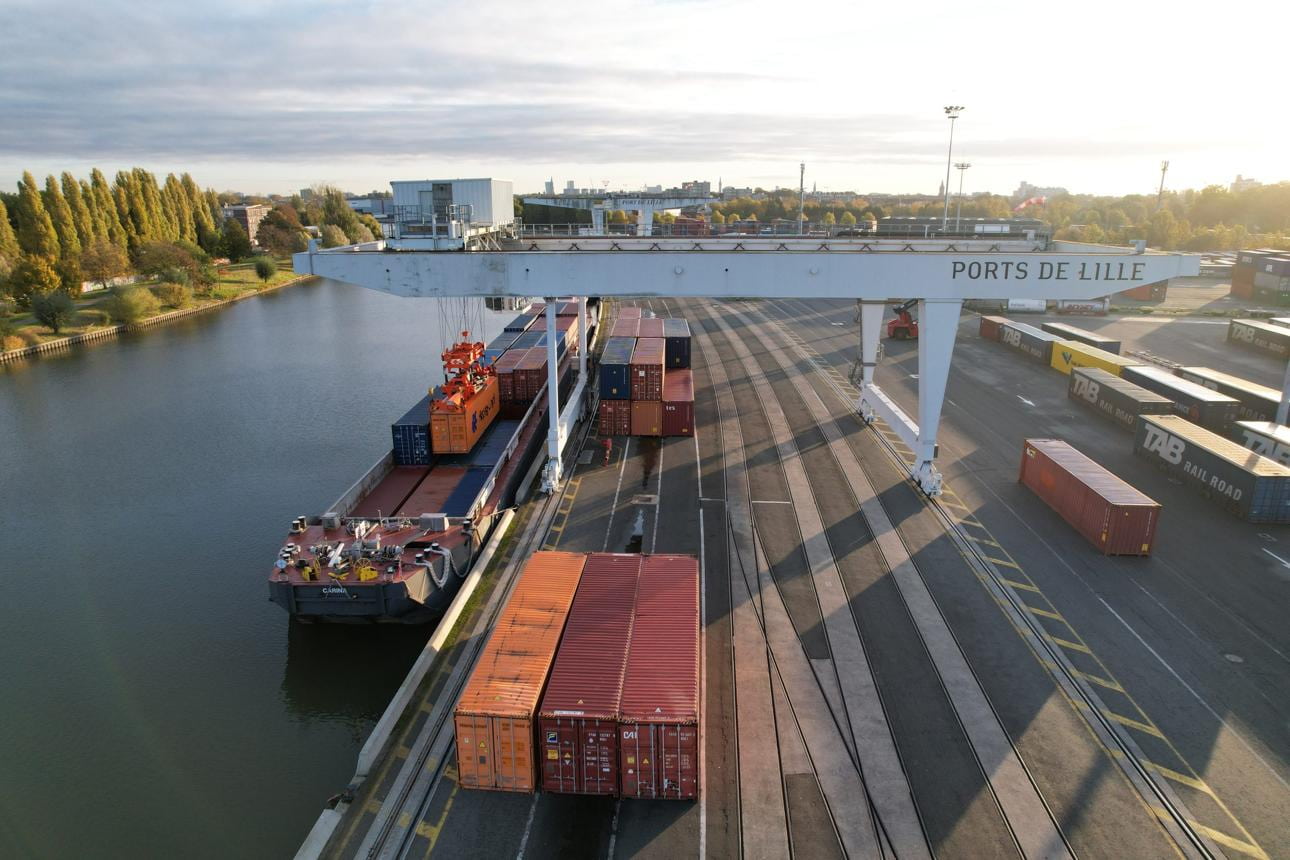
Lille: This northern French city is about to acquire an unusual new resident: the Union’s first dedicated customs authority. A sweeping customs reform, agreed by the European Parliament and the Council in March 2026, hands Lille a decentralised agency and rewires how goods cross the bloc’s borders for the first time since the customs union was born in 1968.
At the heart of the overhaul sits a single Union customs data hub. Instead of filing declarations country by country, traders will submit product and customs information once, through one online platform, and authorities will draw on shared, real-time data to judge risk. The Commission describes it as a shift from a declaration-based system to a data-driven one.
The new EU customs authority, to be based in Lille, will run that hub and back the risk work of national administrations. Supporters argue that a common brain for customs will catch dangerous or undervalued goods that today slip through the gaps between twenty-seven separate systems. The Council set out the deal in its reform announcement.
The timeline is long. The data hub opens for e-commerce parcels on 1 July 2028, and only by March 2034 will it cover every movement of goods. Officials defend the phased rollout as the price of building something that must not fail, while businesses worry about years of running old and new systems side by side.
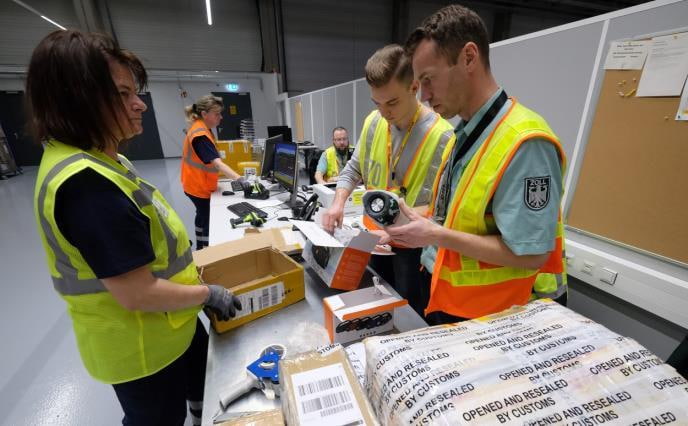
E-commerce drives much of the urgency. The reform makes online platforms and distance sellers the legal importer of the goods they ship into the Union, shifting responsibility for duties and paperwork away from the consumer who clicks buy. A new handling fee on small consignments will follow, with its level fixed by a Commission act before member states apply it.
The rules also create a class of trusted businesses, dubbed trust-and-check traders, whose transparency earns them lighter procedures. The Commission bets that rewarding openness will free scarce inspectors to focus on the consignments that actually pose a risk. Its own customs reform pages set out the design.
Not everyone is satisfied. Some traders fear the handling fee and importer liability will raise the cost of cheap cross-border shopping, while consumer advocates counter that the era of untaxed, unchecked parcels was never sustainable. Customs officers, for their part, want the promised technology to arrive on time.
For Lille, the prize is tangible: an EU agency, its staff and the prestige that follows. For the wider bloc, the test is whether a union built for containers and paperwork can adapt to a world of billions of small packages. The answer will unfold slowly, one deadline at a time.