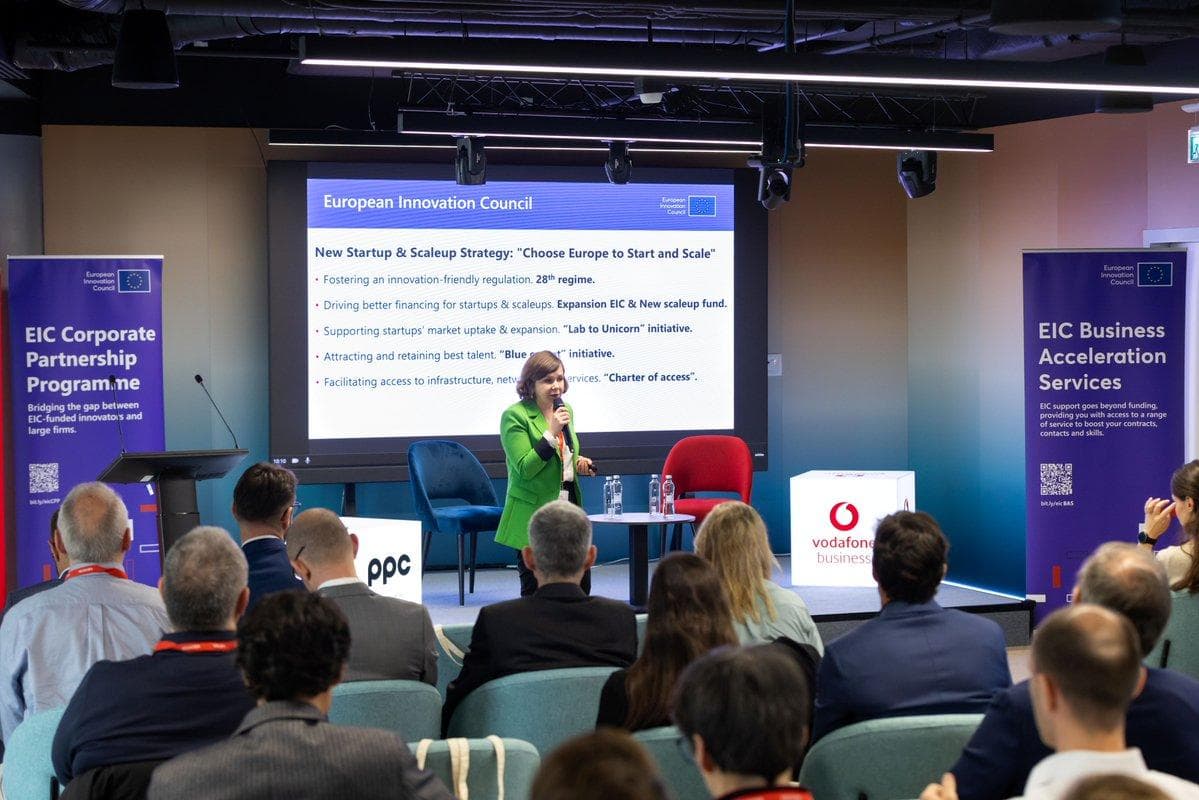
Eindhoven: Europe’s flagship fund for breakthrough technology has thrown open its 2026 round, dangling 634 million euro before the start-ups it hopes will scale on the continent rather than sell out abroad. The European Innovation Council is betting that deep tech, the hard science behind chips, fusion and new materials, decides who leads the next economy.
The Accelerator sits inside a broader work programme worth more than 1.4 billion euro. Of the headline sum, 220 million euro flows through targeted challenges and 414 million through an open call, blending grants with equity for firms too risky for ordinary investors yet too promising to abandon.
Speed is the year’s real reform. From 2026 the Council evaluates full proposals every two months instead of every six, and it has cut the application from fifty pages to twenty. Founders who once waited half a year for a verdict now face a leaner, faster gauntlet with cut-off dates spread across the calendar.
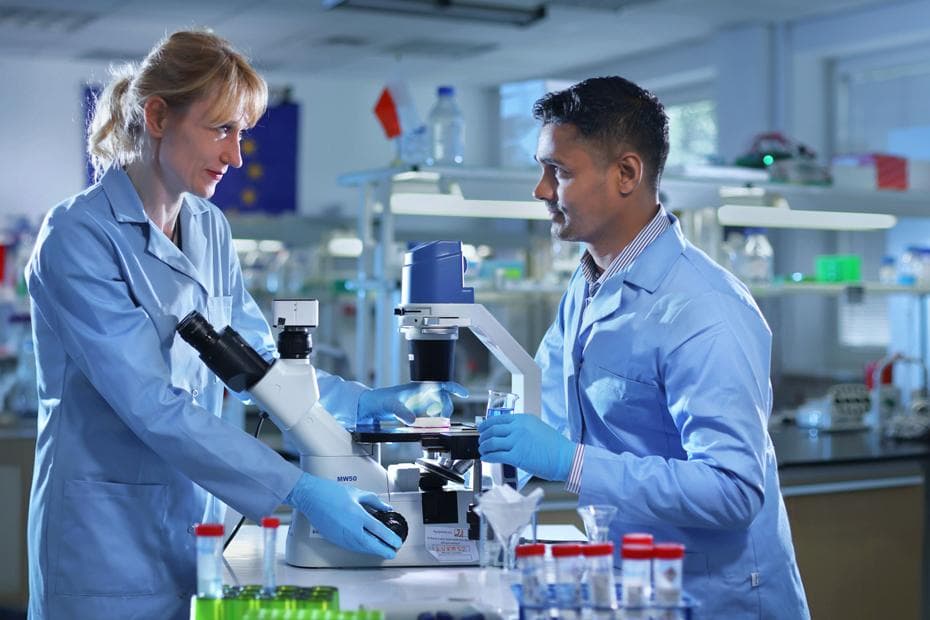
The deep tech agenda reads like a map of Europe’s anxieties. The 2026 topics target advanced materials for energy storage, new approaches to fusion, biotechnology to regenerate farmland soils, technologies to secure critical raw materials and tools for climate adaptation. Each aims squarely at a dependency the Commission wants to shed.
The logic behind the cash is strategic. European laboratories generate world-class science, yet promising firms too often cross the Atlantic for the capital and speed that American markets supply. The Council frames its grants and equity as a way to keep that value, and the jobs it creates, inside the single market.
The redesign also anticipates private money. By running deeper technical due diligence up front, the Council hopes to reassure venture investors who might co-fund a company, stretching public euros further and signalling which technologies have passed a rigorous screen.
Critics question whether the model works. Some founders describe grinding bureaucracy and slow disbursement despite the reforms, and warn that Europe still lacks the late-stage capital to carry a start-up from a clever prototype to a global champion. Money at the seed matters little if firms starve at scale. The Council counters that its equity arm exists precisely to fill that later gap and to crowd in private funds behind proven technologies.
The July batch offers an early read. Applicants who filed before the summer cut-off will test whether the faster process delivers as promised. The full 2026 work programme spells out the terms, and the results will hint at whether Europe can finally turn its science into scale.