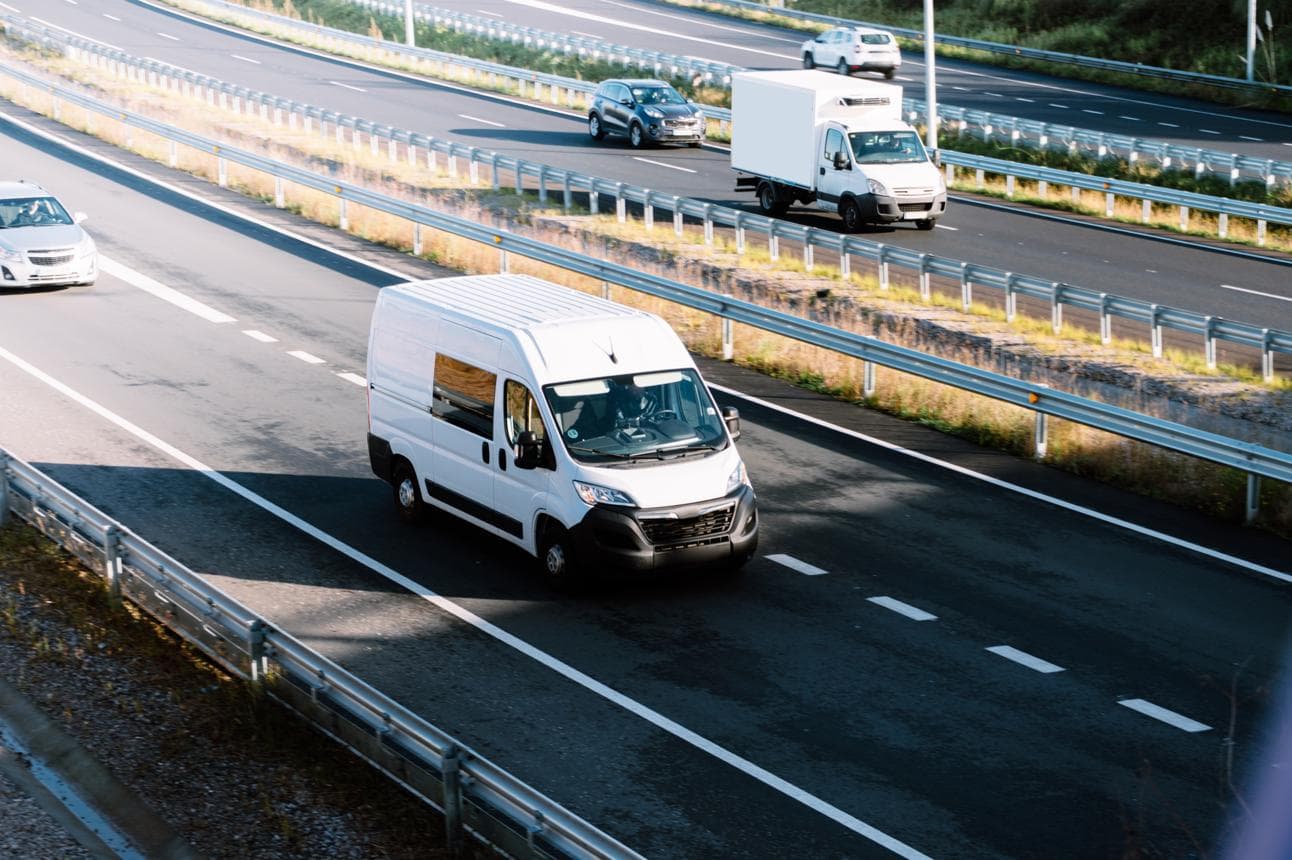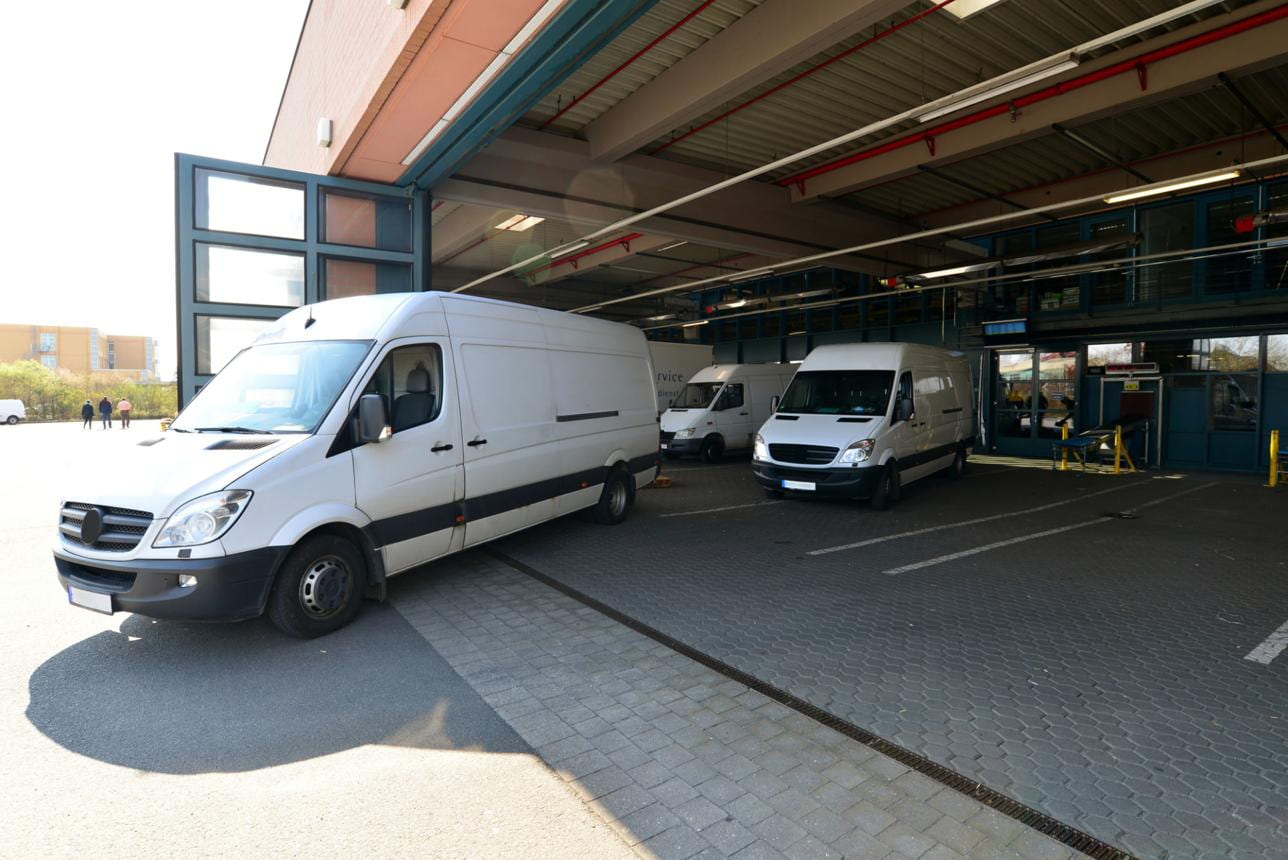
Luxembourg: From 1 July the light vans that criss-cross Europe’s motorways carrying parcels and pallets fall under rules once reserved for heavy lorries, and the centrepiece is the smart tachograph. Operators running vehicles between 2.5 and 3.5 tonnes on international routes must now fit the device, which records exactly when a driver works, rests and crosses a border.
The change closes a loophole that shaped a decade of European logistics. As online shopping exploded, hauliers shifted freight onto lighter vans precisely because those vehicles escaped the tachograph, the driving-hour caps and the enforcement that governed trucks. Drivers of vans could stay behind the wheel longer, and firms undercut rivals that played by the heavier rulebook.
Under the new regime, van drivers on international trips face the same daily limits as lorry drivers. They may drive nine hours a day, stretching to ten twice a week, and must take prescribed breaks and rest periods. The tachograph logs all of it automatically and flags the moment a vehicle passes from one member state into another, giving inspectors a tamper-resistant record.
Brussels frames the reform as a matter of both safety and fairness. Tired drivers cause crashes, and a van weighing three tonnes at motorway speed does serious damage. Regulators also want to protect drivers themselves from pressure to skip rest, and to stop firms gaining an edge simply by dodging the rules that bind their competitors.
Hauliers face real costs. Fitting and calibrating a smart tachograph runs to several hundred euros a vehicle, and small operators with a handful of vans feel the pinch most. Trade groups warned during the drafting that the paperwork and training would strain firms already working on thin margins, though many had months to prepare once the timetable became clear.
Enforcement now shifts to national road authorities, which can read the device at the roadside and check whether a driver stayed within the limits. Penalties for tampering or for breaching driving hours mirror those long applied to trucks, and repeat offenders risk losing the licences that let them operate across borders.
The van rules form one strand of a broader mobility package the Union has phased in over several years, tightening the social and safety standards that govern road freight. The Commission’s transport department tracks the rollout and publishes guidance for operators through its news and events service.