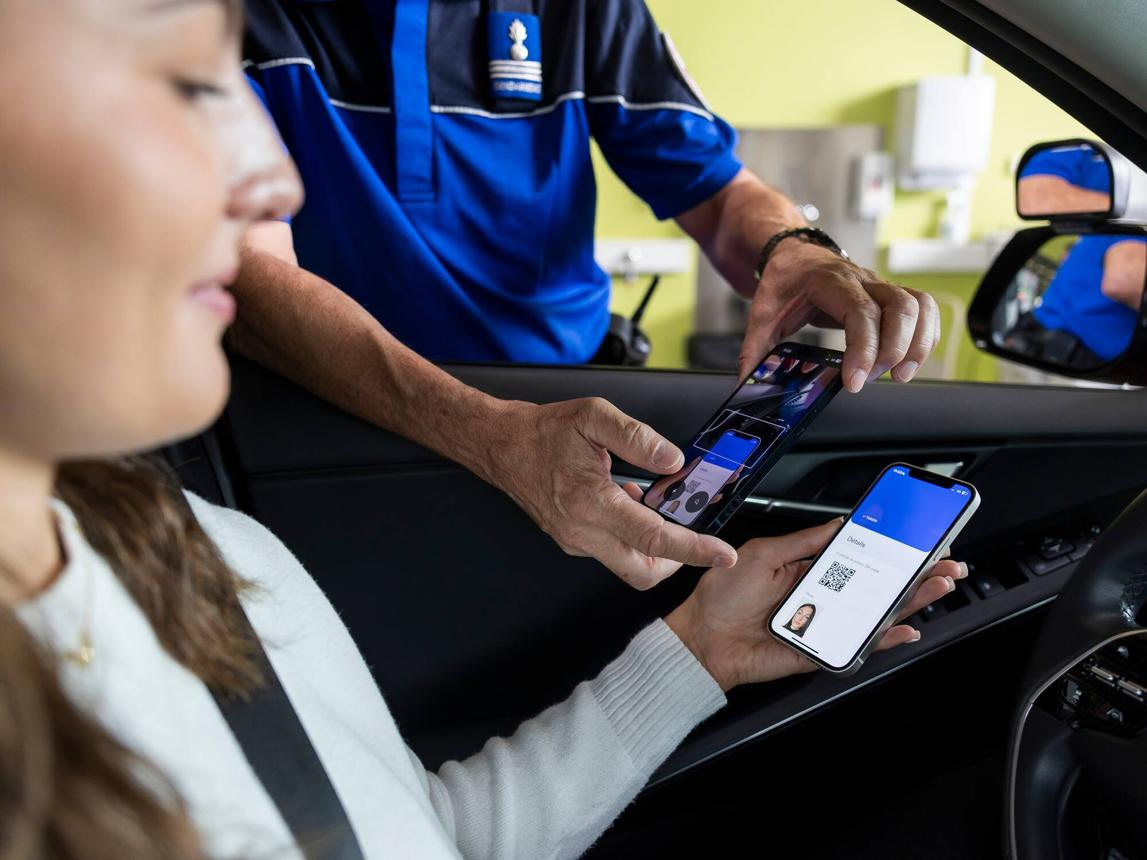
Riga: The plastic card in your wallet is starting its long goodbye. On 15 June the European Commission published draft implementing rules setting out how a mobile driving licence, carried on a smartphone, will work across the union. The technical detail follows the modernised licence directive agreed late last year, and it turns a political promise into engineering specifications.
The digital driving licence is meant to become the main format over time, folded into the European Digital Identity Wallet that member states are building. Drivers will still be able to ask for a physical card, a concession to those without smartphones or with little trust in apps, but the direction of travel is clear. The Commission wants the digital version rolled out by the end of the decade.
The draft rules focus on the unglamorous questions that decide whether such a system works. They cover interoperability, so a licence issued in one country can be read by police in another; security, so the credential cannot be forged or cloned; and data protection, so a roadside check does not hand over more personal information than the moment requires. Getting those three right is the difference between convenience and a privacy headache.
The wider directive carries changes that reach well beyond the format of the licence. A novice driver rule imposes a probation period with stricter penalties for serious offences in the first years behind the wheel. An EU-wide accompanied driving scheme lets seventeen-year-olds drive cars under supervision before they qualify alone. The minimum age for a truck licence drops from twenty-one to eighteen, and for buses from twenty-four to twenty-one, where the driver holds a certificate of professional competence.
Perhaps the most significant reform is disqualification. Until now, a driver banned in one country could often keep driving elsewhere, because penalties stopped at the border. The new framework means a serious ban will follow the driver across the union, closing a loophole that road-safety campaigners have criticised for years. Almost twenty thousand people die on the bloc’s roads annually, and the reform is pitched squarely at that toll.
Member states have until November 2028 to transpose the directive, and the mobile licence itself will phase in gradually rather than switch on overnight. Technical work continues on the wallet that will hold it, and the Commission has set out its timeline and objectives in detail.
For most drivers the change will feel small at first: an app alongside the card, then eventually instead of it. The harder shift is cultural, learning to trust a phone screen to prove something a laminated card has certified for generations.