August 9, 2026
LATEST
New EU Gas Market Rules Take Effect With Consumer SafeguardsDeforestation Regulation Holds Its December Deadline Despite CutsDigital Omnibus Delays Europe’s High-Risk AI Deadline to 2027Europe’s Schools Confront a Widening Basic Skills GapRule of Law Report Finds Progress but Trust Still LagsIRIS2 Gains 66 Satellites as Brussels Signs the Rollout DealNature Restoration Plans Come Due as Member States Race a DeadlineECB Rates Hold at 2.25 Percent as Frankfurt Waits on the DataEU Budget Talks Turn to Cohesion as Ireland Takes OverWildfire Response Stretches Europe’s Emergency Fleet ThinCan Europe’s Quantum Plan Match Its Big Ambitions?Armenia Edges West as Moscow’s Grip Slips AwayEurope Inherits the World’s Aid Bill It Cannot Fully PayAir Passenger Rights Get Their First Overhaul in Two DecadesErasmus Opens a 5 Billion Euro Round for Skills and MobilityCeuta Crisis Pushes the EU Toward Faster Migrant ReturnsBulky Parcels Face a Packaging Crackdown From August 12Can Europe Build Its Drone Wall Before 2030 Arrives?Indonesia’s Trade Deal With Europe Nears Its Final SignatureEurope Leans on Beijing to Keep Climate Talks Alive Before AntalyaNew EU Gas Market Rules Take Effect With Consumer SafeguardsDeforestation Regulation Holds Its December Deadline Despite CutsDigital Omnibus Delays Europe’s High-Risk AI Deadline to 2027Europe’s Schools Confront a Widening Basic Skills GapRule of Law Report Finds Progress but Trust Still LagsIRIS2 Gains 66 Satellites as Brussels Signs the Rollout DealNature Restoration Plans Come Due as Member States Race a DeadlineECB Rates Hold at 2.25 Percent as Frankfurt Waits on the DataEU Budget Talks Turn to Cohesion as Ireland Takes OverWildfire Response Stretches Europe’s Emergency Fleet ThinCan Europe’s Quantum Plan Match Its Big Ambitions?Armenia Edges West as Moscow’s Grip Slips AwayEurope Inherits the World’s Aid Bill It Cannot Fully PayAir Passenger Rights Get Their First Overhaul in Two DecadesErasmus Opens a 5 Billion Euro Round for Skills and MobilityCeuta Crisis Pushes the EU Toward Faster Migrant ReturnsBulky Parcels Face a Packaging Crackdown From August 12Can Europe Build Its Drone Wall Before 2030 Arrives?Indonesia’s Trade Deal With Europe Nears Its Final SignatureEurope Leans on Beijing to Keep Climate Talks Alive Before Antalya
August 9, 2026
LATEST
New EU Gas Market Rules Take Effect With Consumer SafeguardsDeforestation Regulation Holds Its December Deadline Despite CutsDigital Omnibus Delays Europe’s High-Risk AI Deadline to 2027Europe’s Schools Confront a Widening Basic Skills GapRule of Law Report Finds Progress but Trust Still LagsIRIS2 Gains 66 Satellites as Brussels Signs the Rollout DealNature Restoration Plans Come Due as Member States Race a DeadlineECB Rates Hold at 2.25 Percent as Frankfurt Waits on the DataEU Budget Talks Turn to Cohesion as Ireland Takes OverWildfire Response Stretches Europe’s Emergency Fleet ThinCan Europe’s Quantum Plan Match Its Big Ambitions?Armenia Edges West as Moscow’s Grip Slips AwayEurope Inherits the World’s Aid Bill It Cannot Fully PayAir Passenger Rights Get Their First Overhaul in Two DecadesErasmus Opens a 5 Billion Euro Round for Skills and MobilityCeuta Crisis Pushes the EU Toward Faster Migrant ReturnsBulky Parcels Face a Packaging Crackdown From August 12Can Europe Build Its Drone Wall Before 2030 Arrives?Indonesia’s Trade Deal With Europe Nears Its Final SignatureEurope Leans on Beijing to Keep Climate Talks Alive Before AntalyaNew EU Gas Market Rules Take Effect With Consumer SafeguardsDeforestation Regulation Holds Its December Deadline Despite CutsDigital Omnibus Delays Europe’s High-Risk AI Deadline to 2027Europe’s Schools Confront a Widening Basic Skills GapRule of Law Report Finds Progress but Trust Still LagsIRIS2 Gains 66 Satellites as Brussels Signs the Rollout DealNature Restoration Plans Come Due as Member States Race a DeadlineECB Rates Hold at 2.25 Percent as Frankfurt Waits on the DataEU Budget Talks Turn to Cohesion as Ireland Takes OverWildfire Response Stretches Europe’s Emergency Fleet ThinCan Europe’s Quantum Plan Match Its Big Ambitions?Armenia Edges West as Moscow’s Grip Slips AwayEurope Inherits the World’s Aid Bill It Cannot Fully PayAir Passenger Rights Get Their First Overhaul in Two DecadesErasmus Opens a 5 Billion Euro Round for Skills and MobilityCeuta Crisis Pushes the EU Toward Faster Migrant ReturnsBulky Parcels Face a Packaging Crackdown From August 12Can Europe Build Its Drone Wall Before 2030 Arrives?Indonesia’s Trade Deal With Europe Nears Its Final SignatureEurope Leans on Beijing to Keep Climate Talks Alive Before Antalya

Dirty Air Still Breaches EU Limits Across A Fifth Of Stations

Copenhagen: The air Europeans breathe is cleaner than it was a decade ago, and still dirty enough to kill. That is the uncomfortable double message of the European Environment Agency’s latest air quality assessment, which finds steady long-term improvement shadowed by stubborn pollution that continues to breach both EU rules and far stricter health guidance.

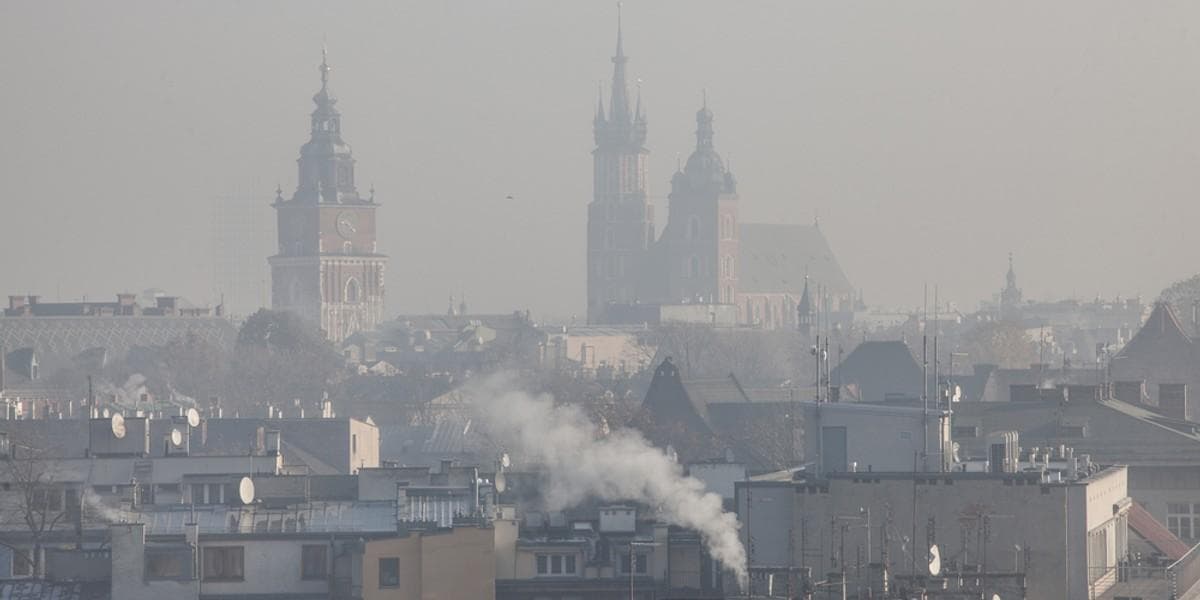
The numbers sketch the gap. At up to a fifth of monitoring stations, pollution still exceeds current EU standards, with the worst offenders being coarse particulate matter known as PM10, ground-level ozone and benzo(a)pyrene, a carcinogen released when wood and coal are burned. Measured against the World Health Organization’s tighter guideline levels, the picture is bleaker still. Only 166 of more than 2,200 stations recorded fine-particle concentrations below the WHO annual benchmark, and the agency estimates that over 90 percent of the EU’s urban population is exposed to air the WHO considers unhealthy.

The distinction between the two yardsticks matters because EU law is about to bite. A revised set of standards, agreed to bring legal limits closer to WHO science, takes effect this decade, and from 2026 member states are required to draw up air quality roadmaps wherever pollution sits above the new thresholds. In practice that obligation falls hardest on cities such as those across central and eastern Europe where coal heating and dense traffic keep winter smog thick, and on the Mediterranean basin where heat drives ozone.

The drivers are familiar but resistant. Particulate pollution comes largely from domestic heating, road transport and industry, while ozone forms in sunlight from a chemical stew of traffic and industrial emissions, which makes it worse in hotter summers and harder to govern through any single national measure. Climate change complicates the task further, since rising temperatures tend to lift ozone levels even as other pollutants fall.

For public health the stakes are not abstract. Air pollution remains the largest environmental health risk in Europe, linked to hundreds of thousands of premature deaths each year from heart disease, stroke, lung cancer and respiratory illness. The economic toll, counted in hospital admissions and lost working days, runs into the tens of billions.

The agency’s framing is deliberately twofold, crediting genuine progress while warning against complacency. Emissions ceilings, cleaner vehicles and the slow retreat of coal have bent the curve downward, but the remaining pollution is concentrated precisely where it is hardest to shift, in home boilers, diesel engines and the chemistry of a warming sky. Whether the new roadmaps close the gap or simply document it will depend on how aggressively national and city governments act over the next four years, before the tighter 2030 limits arrive and the room for excuses runs out.