Katowice: Europe’s air is cleaner than it was a generation ago, and still nowhere near clean enough. The European Environment Agency’s latest status report finds that more than ninety percent of the union’s urban population breathes fine-particle pollution at levels above what the World Health Organization considers safe, a figure that has barely shifted despite decades of tightening rules and shrinking industrial emissions. The gap between what the law permits and what science deems healthy has become the defining feature of the continent’s air.
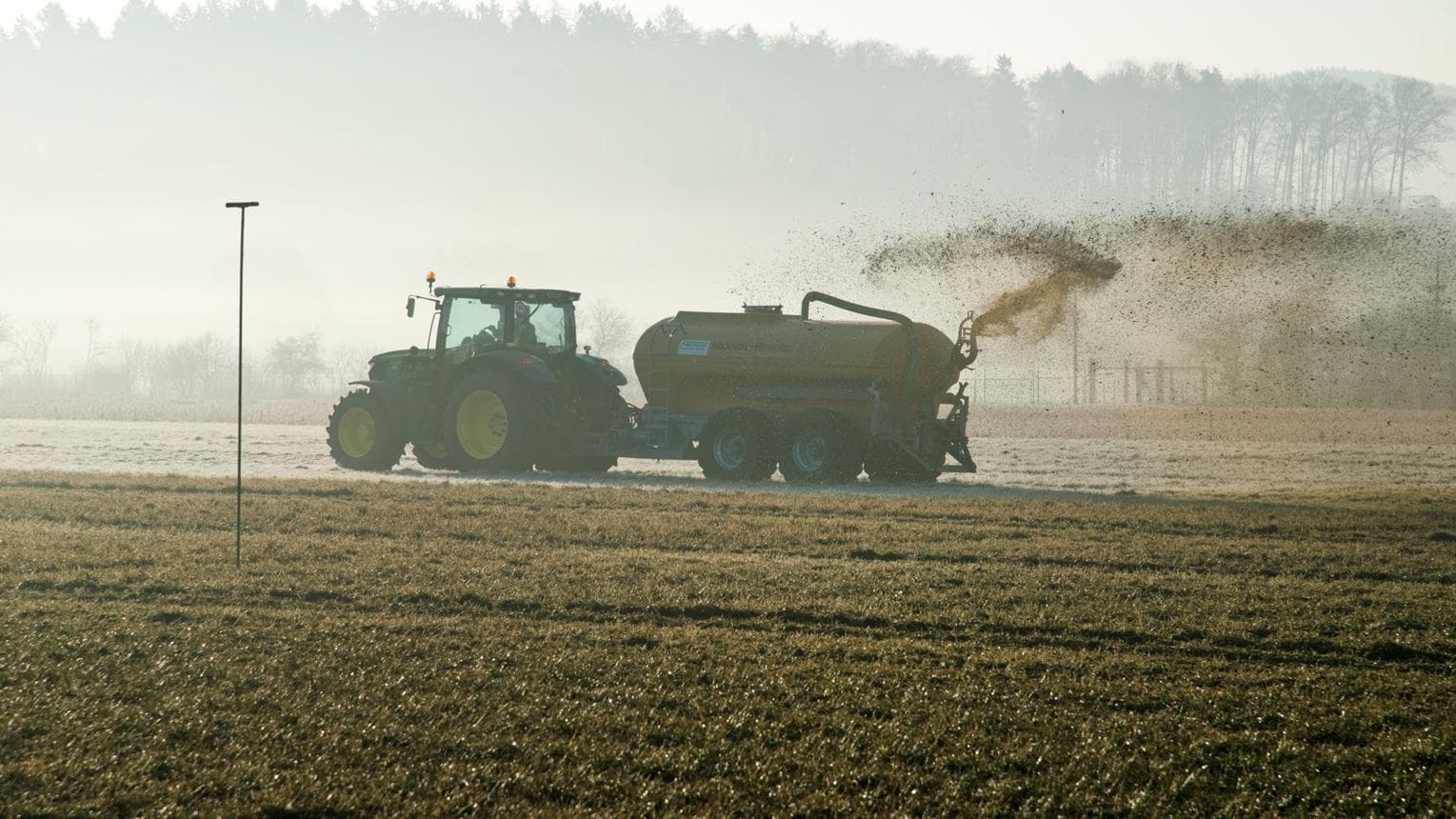
That gap is starkly visible in the monitoring data. Of more than two thousand two hundred stations tracking fine particulate matter, fewer than two hundred recorded concentrations below the health body’s guideline in the most recent full year. Fine particles, the soot and dust small enough to lodge deep in the lungs and cross into the bloodstream, remain the pollutant most stubbornly resistant to progress, driven by traffic, home heating, agriculture and the coal that still warms parts of central Europe through the winter.
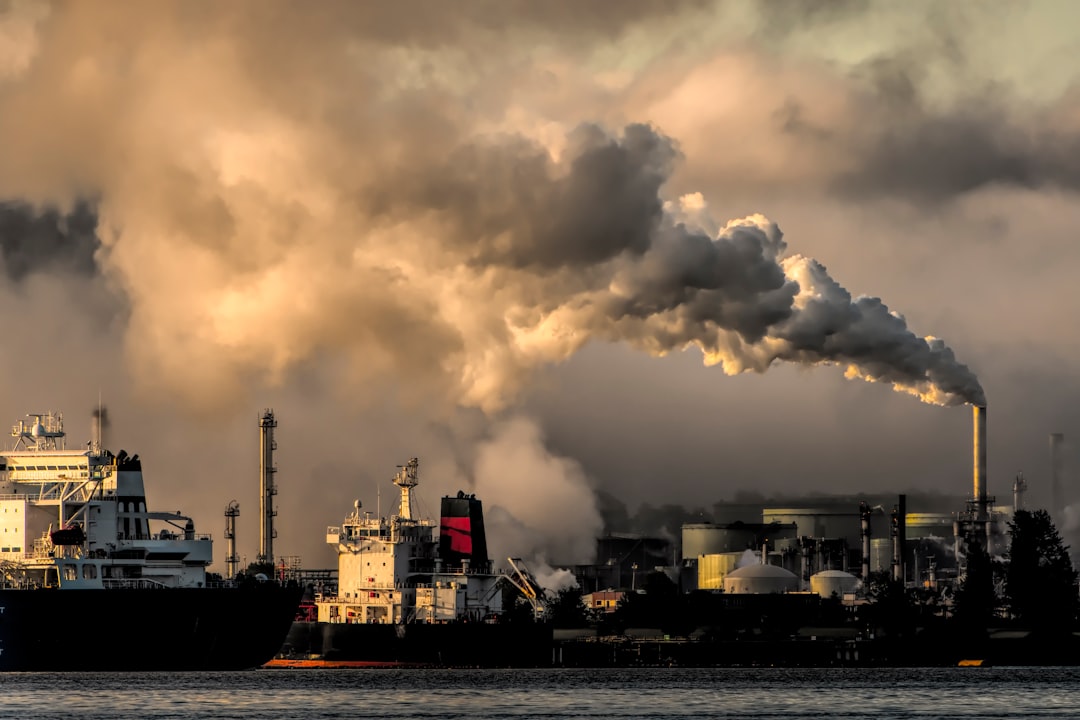
The agency is careful not to paint only gloom. Long-term trends run in the right direction, and a majority of member states, twenty-one of them, met their national ceilings for the five main pollutants under the union’s emission reduction commitments. Sulphur dioxide and other legacy contaminants have fallen sharply as heavy industry cleaned up or closed. The problem is that the remaining pollution is harder to shift, woven into everyday activity rather than concentrated in a handful of factories that a single regulation can tame.
Policy is now catching up to the science, however slowly. The revised air quality rules agreed by the bloc pull permitted limits closer to the health body’s recommendations, with the tightest thresholds due to bite by the end of the decade. Crucially, from this year member states whose air breaches the coming standards must draw up roadmaps setting out how they intend to comply, converting a vague aspiration into a documented plan that can be scrutinised and, if necessary, enforced. Cities that long treated clean-air targets as distant will find the deadline suddenly concrete.
The human stakes give the numbers their weight. Fine-particle pollution is linked to hundreds of thousands of premature deaths across the continent each year, along with a heavy burden of heart disease, stroke and respiratory illness that falls unevenly on the old, the young and the poor. Neighbourhoods beside busy roads or downwind of industry breathe worse air than leafy suburbs a few kilometres away, making clean air as much a question of equity as of environment. What the report ultimately exposes is a mismatch of ambition: the union has the monitoring, the legal framework and the rhetoric, yet the pollution that matters most clings on because it is embedded in how people move, heat their homes and grow their food. The coming roadmaps will be the first real test of whether governments will make the harder choices.