August 9, 2026
LATEST
New EU Gas Market Rules Take Effect With Consumer SafeguardsDeforestation Regulation Holds Its December Deadline Despite CutsDigital Omnibus Delays Europe’s High-Risk AI Deadline to 2027Europe’s Schools Confront a Widening Basic Skills GapRule of Law Report Finds Progress but Trust Still LagsIRIS2 Gains 66 Satellites as Brussels Signs the Rollout DealNature Restoration Plans Come Due as Member States Race a DeadlineECB Rates Hold at 2.25 Percent as Frankfurt Waits on the DataEU Budget Talks Turn to Cohesion as Ireland Takes OverWildfire Response Stretches Europe’s Emergency Fleet ThinCan Europe’s Quantum Plan Match Its Big Ambitions?Armenia Edges West as Moscow’s Grip Slips AwayEurope Inherits the World’s Aid Bill It Cannot Fully PayAir Passenger Rights Get Their First Overhaul in Two DecadesErasmus Opens a 5 Billion Euro Round for Skills and MobilityCeuta Crisis Pushes the EU Toward Faster Migrant ReturnsBulky Parcels Face a Packaging Crackdown From August 12Can Europe Build Its Drone Wall Before 2030 Arrives?Indonesia’s Trade Deal With Europe Nears Its Final SignatureEurope Leans on Beijing to Keep Climate Talks Alive Before AntalyaNew EU Gas Market Rules Take Effect With Consumer SafeguardsDeforestation Regulation Holds Its December Deadline Despite CutsDigital Omnibus Delays Europe’s High-Risk AI Deadline to 2027Europe’s Schools Confront a Widening Basic Skills GapRule of Law Report Finds Progress but Trust Still LagsIRIS2 Gains 66 Satellites as Brussels Signs the Rollout DealNature Restoration Plans Come Due as Member States Race a DeadlineECB Rates Hold at 2.25 Percent as Frankfurt Waits on the DataEU Budget Talks Turn to Cohesion as Ireland Takes OverWildfire Response Stretches Europe’s Emergency Fleet ThinCan Europe’s Quantum Plan Match Its Big Ambitions?Armenia Edges West as Moscow’s Grip Slips AwayEurope Inherits the World’s Aid Bill It Cannot Fully PayAir Passenger Rights Get Their First Overhaul in Two DecadesErasmus Opens a 5 Billion Euro Round for Skills and MobilityCeuta Crisis Pushes the EU Toward Faster Migrant ReturnsBulky Parcels Face a Packaging Crackdown From August 12Can Europe Build Its Drone Wall Before 2030 Arrives?Indonesia’s Trade Deal With Europe Nears Its Final SignatureEurope Leans on Beijing to Keep Climate Talks Alive Before Antalya
August 9, 2026
LATEST
New EU Gas Market Rules Take Effect With Consumer SafeguardsDeforestation Regulation Holds Its December Deadline Despite CutsDigital Omnibus Delays Europe’s High-Risk AI Deadline to 2027Europe’s Schools Confront a Widening Basic Skills GapRule of Law Report Finds Progress but Trust Still LagsIRIS2 Gains 66 Satellites as Brussels Signs the Rollout DealNature Restoration Plans Come Due as Member States Race a DeadlineECB Rates Hold at 2.25 Percent as Frankfurt Waits on the DataEU Budget Talks Turn to Cohesion as Ireland Takes OverWildfire Response Stretches Europe’s Emergency Fleet ThinCan Europe’s Quantum Plan Match Its Big Ambitions?Armenia Edges West as Moscow’s Grip Slips AwayEurope Inherits the World’s Aid Bill It Cannot Fully PayAir Passenger Rights Get Their First Overhaul in Two DecadesErasmus Opens a 5 Billion Euro Round for Skills and MobilityCeuta Crisis Pushes the EU Toward Faster Migrant ReturnsBulky Parcels Face a Packaging Crackdown From August 12Can Europe Build Its Drone Wall Before 2030 Arrives?Indonesia’s Trade Deal With Europe Nears Its Final SignatureEurope Leans on Beijing to Keep Climate Talks Alive Before AntalyaNew EU Gas Market Rules Take Effect With Consumer SafeguardsDeforestation Regulation Holds Its December Deadline Despite CutsDigital Omnibus Delays Europe’s High-Risk AI Deadline to 2027Europe’s Schools Confront a Widening Basic Skills GapRule of Law Report Finds Progress but Trust Still LagsIRIS2 Gains 66 Satellites as Brussels Signs the Rollout DealNature Restoration Plans Come Due as Member States Race a DeadlineECB Rates Hold at 2.25 Percent as Frankfurt Waits on the DataEU Budget Talks Turn to Cohesion as Ireland Takes OverWildfire Response Stretches Europe’s Emergency Fleet ThinCan Europe’s Quantum Plan Match Its Big Ambitions?Armenia Edges West as Moscow’s Grip Slips AwayEurope Inherits the World’s Aid Bill It Cannot Fully PayAir Passenger Rights Get Their First Overhaul in Two DecadesErasmus Opens a 5 Billion Euro Round for Skills and MobilityCeuta Crisis Pushes the EU Toward Faster Migrant ReturnsBulky Parcels Face a Packaging Crackdown From August 12Can Europe Build Its Drone Wall Before 2030 Arrives?Indonesia’s Trade Deal With Europe Nears Its Final SignatureEurope Leans on Beijing to Keep Climate Talks Alive Before Antalya

Dirty Money Faces a Single European Supervisor for the First Time

Frankfurt: For years this Baltic capital served as a cautionary tale about how easily illicit money could slip through Europe’s fragmented defences. Billions in suspect funds once flowed through its banks before scandals forced a brutal cleanup. The memory hangs over a new chapter in the bloc’s fight against financial crime, one in which oversight is finally being pulled together rather than left to twenty-seven national regulators working in isolation.

The European Union’s Authority for Anti-Money Laundering and Countering the Financing of Terrorism, known by the unlovely acronym AMLA, gathered supervisors, financial-intelligence officials and bankers in Frankfurt this month for its first major conference. The event, held at the city’s Alte Oper, was less a celebration than a statement of intent from a body that only began operations last summer and is still hiring its way toward full strength.

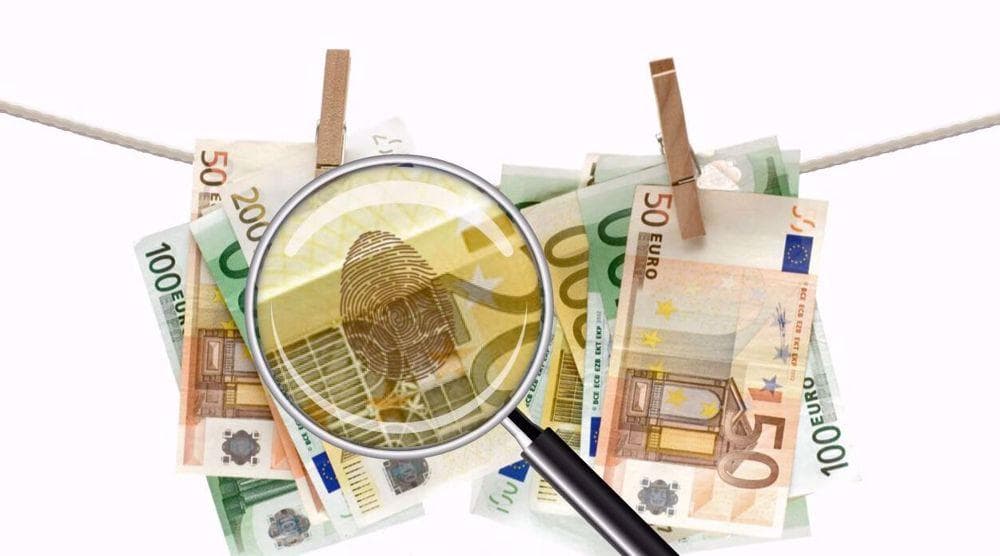
The case for AMLA rests on a simple diagnosis. Money laundering does not respect borders, but until now Europe’s supervision of it did. A bank flagged as lax in one country could keep operating elsewhere, and national financial-intelligence units shared information slowly and unevenly. Criminal networks exploited the seams. The new authority is meant to stitch them shut by directly supervising the highest-risk cross-border institutions and by coordinating the national regulators that handle everyone else.

Its powers are considerable on paper. From a planned base in the city’s Messeturm tower, AMLA will eventually pick a group of the most systemically exposed banks and payment firms for direct oversight, with the ability to demand information, order changes and push for penalties. It will also act as a hub for the national intelligence units, building shared analysis and common standards so that a suspicious-transaction report filed in one capital can be understood and acted on in another.

Speakers at the conference returned repeatedly to the gap between ambition and capacity. A new agency cannot conjure expertise overnight, and the people who chase sophisticated laundering networks are exactly the specialists that private banks pay handsomely to keep. Building a credible direct-supervision team while the rulebook is still being written is a delicate sequencing problem, and one that earlier European agencies have not always solved gracefully.

Technology loomed over the discussion. Panels weighed both the promise and the peril of artificial intelligence, which can sharpen the hunt for hidden patterns in payment flows but can equally help criminals disguise them. The same tools that let an investigator map a shell-company web can let a launderer spin up new layers faster than any human auditor could follow.

For the wider financial sector, the message is that the era of regulatory arbitrage within the single market is narrowing. Firms that shopped for the most permissive supervisor will find a common floor rising beneath them, and a central authority watching how national regulators apply it. Whether AMLA can match the muscle of the institutions it polices will not be clear for years. But the principle that Europe should hunt dirty money as one market, rather than twenty-seven, is now built into law.