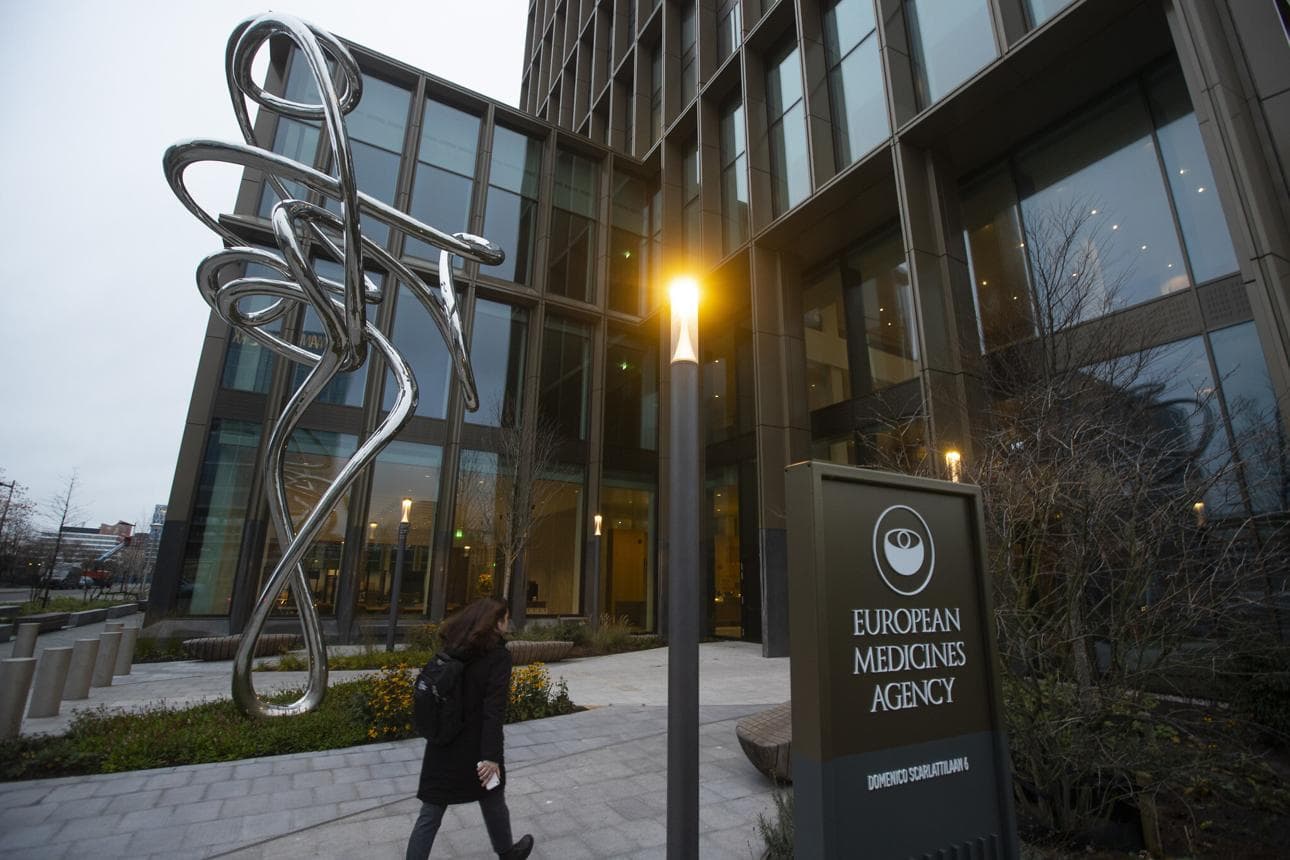
Amsterdam: Europe’s medicines regulator has opened a new chapter in cross-continental health cooperation, engaging the newly created African Medicines Agency in a coordinated response to an Ebola outbreak. According to highlights from its June meeting, the European Medicines Agency’s Emergency Task Force is working alongside the African body and participating national regulators to weigh clinical trial designs and medical countermeasures with vaccine and treatment developers.
Officials describe it as a milestone. It is the first public health emergency in which the task force, the agency’s rapid-response unit, has engaged with the African Medicines Agency as a counterpart. The collaboration rests on a scientific relationship that has been building between the two regulators and is meant to deliver faster, better-coordinated and more credible decisions when an outbreak demands speed without sacrificing rigour.
The logic is straightforward. Ebola outbreaks flare in regions where regulatory capacity has historically been thin and where trials must be designed and approved under intense time pressure. By pooling expertise, the partners aim to avoid duplicated effort, align trial protocols across borders and help ensure that any countermeasures advanced during the emergency rest on sound evidence. For developers, a single, coherent regulatory conversation is far preferable to a patchwork of national demands.
The move also reflects a broader ambition to lend weight to the African Medicines Agency, a continental institution still finding its feet. European support, channelled through joint scientific discussions rather than imposed prescriptions, is intended to strengthen the African body’s standing and build the kind of durable cooperation that pays off long after any single outbreak fades.
Beyond the emergency response, the regulator used its June update to push transparency and modernisation on other fronts. From the middle of the month it began opening additional product data through a beta programming interface, letting outside users tap trusted information about authorised medicines in a structured, machine-readable form. It also pressed ahead with improvements to its clinical trials information system, including a new safety module rolled out during June, part of a steady effort to make trial oversight faster and more reliable.
Taken together, the announcements sketch a regulator trying to be both outward-looking and technically nimble, extending its reach into global health diplomacy while sharpening the digital plumbing that underpins everyday drug oversight. The Ebola collaboration is the most visible signal, but the quieter upgrades to data access and trial systems may prove just as important to how quickly Europe and its partners can respond to the next crisis.
The test, as ever, will come in the field. Outbreaks do not wait for institutions to mature, and the value of the new partnership will be measured by whether it shortens the path from laboratory to patient when lives are on the line. For now, the agency has signalled that the response to a deadly virus is no longer a job for any one continent to manage alone.