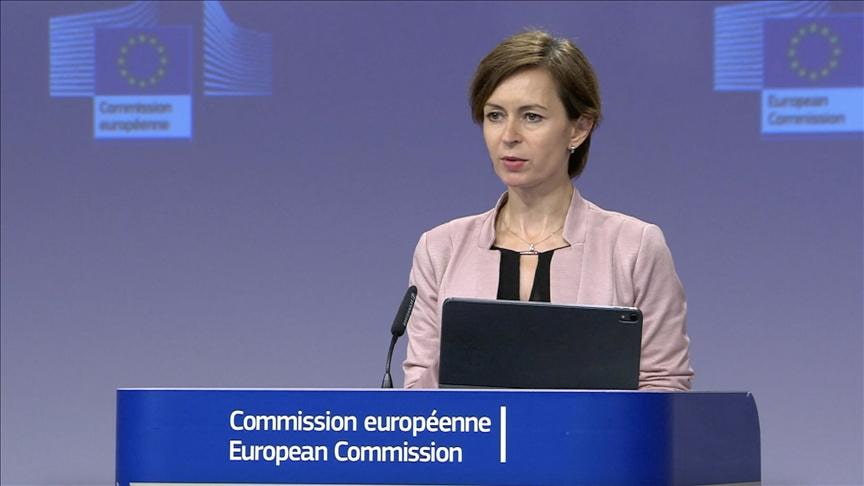
Dublin: Irish competition lawyers gathered for the annual Competition and Consumer Protection Commission policy day this week scrutinised the headline number from the European Commission’s 2025 cartel enforcement record, with total fines reaching €859 million across cartel cases concluded in the calendar year. The figure, modest by the standards of the headline mid-2010s decisions but consistent with a multi-year trend, reflects what practitioners describe as a steady, methodical enforcement posture rather than the showpiece interventions of the previous decade.
The standout single decision in 2025 was the €2.95 billion fine imposed on Google for self-preferencing in the online advertising technology stack, a decision that sits outside the cartel total but defines the broader landscape against which 2026 enforcement is being read. Beyond Google, the Commission’s June 2025 decision against Delivery Hero and Glovo, which imposed a €329 million fine for no-poach and information-exchange conduct in the food-delivery sector, established a precedent that practitioners in Dublin and elsewhere expect the Commission to extend to labour-market collusion in other digital sectors during 2026.
For Ireland, where a large share of European headquarters of US technology firms are domiciled for regulatory and tax purposes, the trajectory of EU competition enforcement has unusually direct consequences. The Commission’s pivot towards labour-market and platform-conduct cases, alongside ongoing Digital Markets Act enforcement and the implementation of the Foreign Subsidies Regulation, means that compliance functions in Dublin, Cork and Galway are absorbing simultaneous workstreams that previously sat in separate corporate silos.
The Foreign Subsidies Regulation in particular is moving into a more operational phase during 2026. New Commission guidelines published in January clarified how the FSR will be applied to mergers and to public procurement bids above the relevant thresholds, with case teams in Brussels now equipped to demand detailed disclosure of foreign financial contributions received over the prior three years. For Irish-domiciled bidders in public tenders elsewhere in the Union, the procedural overlay is significant, particularly where parent companies have benefited from third-country support programmes that the Commission considers distortive.
Practitioners assembled in Dublin highlighted several enforcement trends they expect to define the remainder of 2026. First, a continuation of the Commission’s interest in algorithmic collusion, with case teams reportedly examining pricing software that facilitates parallel conduct between competitors without formal communication. Second, a sharper focus on sustainability agreements, where the Commission has signalled that genuine environmental cooperation can be reconciled with Article 101, but that greenwashing arrangements will not benefit from the same indulgence. Third, increased coordination with national competition authorities under the Commission’s revised cooperation framework, which is expected to drive more parallel investigations into sectors where cross-border conduct intersects with country-specific consumer harm.
The Irish CCPC itself has signalled an intention to lean into joint workstreams with the Commission and with peer national authorities, particularly in sectors where Ireland’s role as a corporate domicile means that domestic enforcement decisions reverberate across the wider single market. For in-house counsel at Dublin-headquartered multinationals, the message from the policy day was unambiguous: the relatively quiet 2025 cartel total should not be read as a softer enforcement posture, but rather as the calm surface of a deeper shift in how the Commission selects, investigates and concludes competition cases. The next eighteen months are expected to deliver a heavier docket of platform, labour-market and subsidy decisions.