Lisbon: A fresh cut-off for the EIC Accelerator falls on 8 July, and founders across Europe are racing to file before the European Innovation Council closes its latest funding window for deep-tech companies chasing both grants and equity.
The Accelerator has become the bloc’s flagship instrument for young firms working on hard science, from quantum sensors to novel materials and climate hardware. It offers up to two and a half million euros in grant money for the risky development stage, then as much as ten million euros in direct equity through the EIC Fund to help a company scale once the technology works. That blended model, rare among public funders, tries to walk startups across the so-called valley of death, where promising research runs out of cash before it reaches a market.
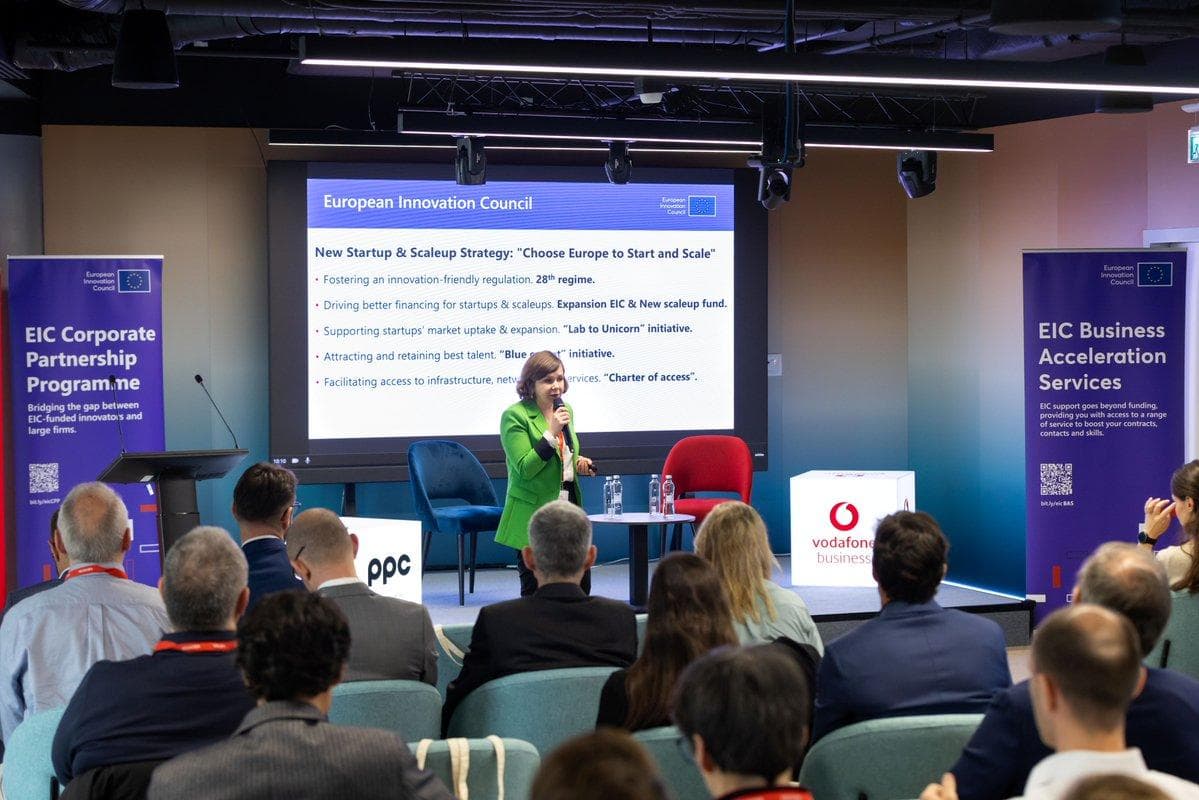
From this year the Council moved to a bimonthly rhythm, with cut-off dates in January, March, May, July, September and November, a change it details on its Accelerator pages. The steadier calendar answers a long-standing gripe: founders used to gamble a whole year on a single deadline, and a near miss could sink a company. The overall 2026 envelope runs to hundreds of millions of euros, with a headline pot of some 634 million earmarked for start-ups and small firms.
The money comes with friction. Applicants pass a written stage, then a remote evaluation, then a live interview before a jury of investors and entrepreneurs. In the most recent round the Council selected 61 companies from 121 that reached the interview, a success rate that looks generous only against the far larger pool that never gets that far. Many founders complain the paperwork rivals a venture round without the hands-on guidance a private backer brings.
Supporters of the scheme argue that public equity fills a gap the market ignores. European venture capital remains shallow compared with the United States, particularly for hardware that takes years to reach revenue, and the EIC Fund can anchor a round that private money is too cautious to lead. The Council sets out its yearly priorities in the 2026 work programme, steering cash toward strategic fields such as advanced computing and clean energy.
Skeptics see a slower problem. State-backed equity can distort valuations, crowd out private investors and leave the taxpayer holding stakes in companies that struggle to exit. The Fund has faced criticism over delays in signing deals, with some winners waiting many months for promised equity to arrive, an interval that can be fatal for a firm burning cash.
For the founders filing this week, those debates matter less than the deadline. A grant can fund the next prototype; an equity cheque can decide whether the company stays in Europe or follows the money abroad. The next cut-off arrives in September, but for many the July window is the one that counts.