September 19, 2026
LATEST
Small Parcels Get a Handling Fee as Europe’s Customs Reform ClearsManila Must Open Public Contracts Before Europe Signs AnythingEurope’s KIDS Act Would Put Parents Back in Charge of AccountsArmenian Apricots Reach Europe Only Through Narrow Tariff QuotasMyanmar’s Crisis Outgrows the Aid Envelope Europe Built for ItJapan Joins Horizon Europe for the Price of a Rounding ErrorIndia’s Trade Deal Now Waits on the Council and Two ParliamentsBeijing Gets an October Date and a Very Short Deliverables ListJudges Strike Down Estonia’s Deposit for European CandidatesSolidarity Fund Pays for Storms Eight Months After the WaterFreight Tariffs Decide Whether the Middle Corridor Reaches ScaleFolding the Diplomatic Service Into the Commission Needs UnanimityCritical Raw Materials Corporation Tests EU StockpilingHeatwave Plan Tests Europe’s Climate Adaptation GapEuropean Security Council Faces a Missing Legal BaseNature Restoration Plans Arrive With a Year of Haggling AheadPlatform Work Rules Arrive in December With Most States UnreadyDominant Firms Face Europe’s First Rulebook on Exclusionary AbuseInnovation Act Reaches Council With EU Preference Still DisputedSecondary Raw Materials Await an Act That Has Not Been TabledSmall Parcels Get a Handling Fee as Europe’s Customs Reform ClearsManila Must Open Public Contracts Before Europe Signs AnythingEurope’s KIDS Act Would Put Parents Back in Charge of AccountsArmenian Apricots Reach Europe Only Through Narrow Tariff QuotasMyanmar’s Crisis Outgrows the Aid Envelope Europe Built for ItJapan Joins Horizon Europe for the Price of a Rounding ErrorIndia’s Trade Deal Now Waits on the Council and Two ParliamentsBeijing Gets an October Date and a Very Short Deliverables ListJudges Strike Down Estonia’s Deposit for European CandidatesSolidarity Fund Pays for Storms Eight Months After the WaterFreight Tariffs Decide Whether the Middle Corridor Reaches ScaleFolding the Diplomatic Service Into the Commission Needs UnanimityCritical Raw Materials Corporation Tests EU StockpilingHeatwave Plan Tests Europe’s Climate Adaptation GapEuropean Security Council Faces a Missing Legal BaseNature Restoration Plans Arrive With a Year of Haggling AheadPlatform Work Rules Arrive in December With Most States UnreadyDominant Firms Face Europe’s First Rulebook on Exclusionary AbuseInnovation Act Reaches Council With EU Preference Still DisputedSecondary Raw Materials Await an Act That Has Not Been Tabled
September 19, 2026
LATEST
Small Parcels Get a Handling Fee as Europe’s Customs Reform ClearsManila Must Open Public Contracts Before Europe Signs AnythingEurope’s KIDS Act Would Put Parents Back in Charge of AccountsArmenian Apricots Reach Europe Only Through Narrow Tariff QuotasMyanmar’s Crisis Outgrows the Aid Envelope Europe Built for ItJapan Joins Horizon Europe for the Price of a Rounding ErrorIndia’s Trade Deal Now Waits on the Council and Two ParliamentsBeijing Gets an October Date and a Very Short Deliverables ListJudges Strike Down Estonia’s Deposit for European CandidatesSolidarity Fund Pays for Storms Eight Months After the WaterFreight Tariffs Decide Whether the Middle Corridor Reaches ScaleFolding the Diplomatic Service Into the Commission Needs UnanimityCritical Raw Materials Corporation Tests EU StockpilingHeatwave Plan Tests Europe’s Climate Adaptation GapEuropean Security Council Faces a Missing Legal BaseNature Restoration Plans Arrive With a Year of Haggling AheadPlatform Work Rules Arrive in December With Most States UnreadyDominant Firms Face Europe’s First Rulebook on Exclusionary AbuseInnovation Act Reaches Council With EU Preference Still DisputedSecondary Raw Materials Await an Act That Has Not Been TabledSmall Parcels Get a Handling Fee as Europe’s Customs Reform ClearsManila Must Open Public Contracts Before Europe Signs AnythingEurope’s KIDS Act Would Put Parents Back in Charge of AccountsArmenian Apricots Reach Europe Only Through Narrow Tariff QuotasMyanmar’s Crisis Outgrows the Aid Envelope Europe Built for ItJapan Joins Horizon Europe for the Price of a Rounding ErrorIndia’s Trade Deal Now Waits on the Council and Two ParliamentsBeijing Gets an October Date and a Very Short Deliverables ListJudges Strike Down Estonia’s Deposit for European CandidatesSolidarity Fund Pays for Storms Eight Months After the WaterFreight Tariffs Decide Whether the Middle Corridor Reaches ScaleFolding the Diplomatic Service Into the Commission Needs UnanimityCritical Raw Materials Corporation Tests EU StockpilingHeatwave Plan Tests Europe’s Climate Adaptation GapEuropean Security Council Faces a Missing Legal BaseNature Restoration Plans Arrive With a Year of Haggling AheadPlatform Work Rules Arrive in December With Most States UnreadyDominant Firms Face Europe’s First Rulebook on Exclusionary AbuseInnovation Act Reaches Council With EU Preference Still DisputedSecondary Raw Materials Await an Act That Has Not Been Tabled

Energy Highways Move Only as Fast as the Slowest National Permit

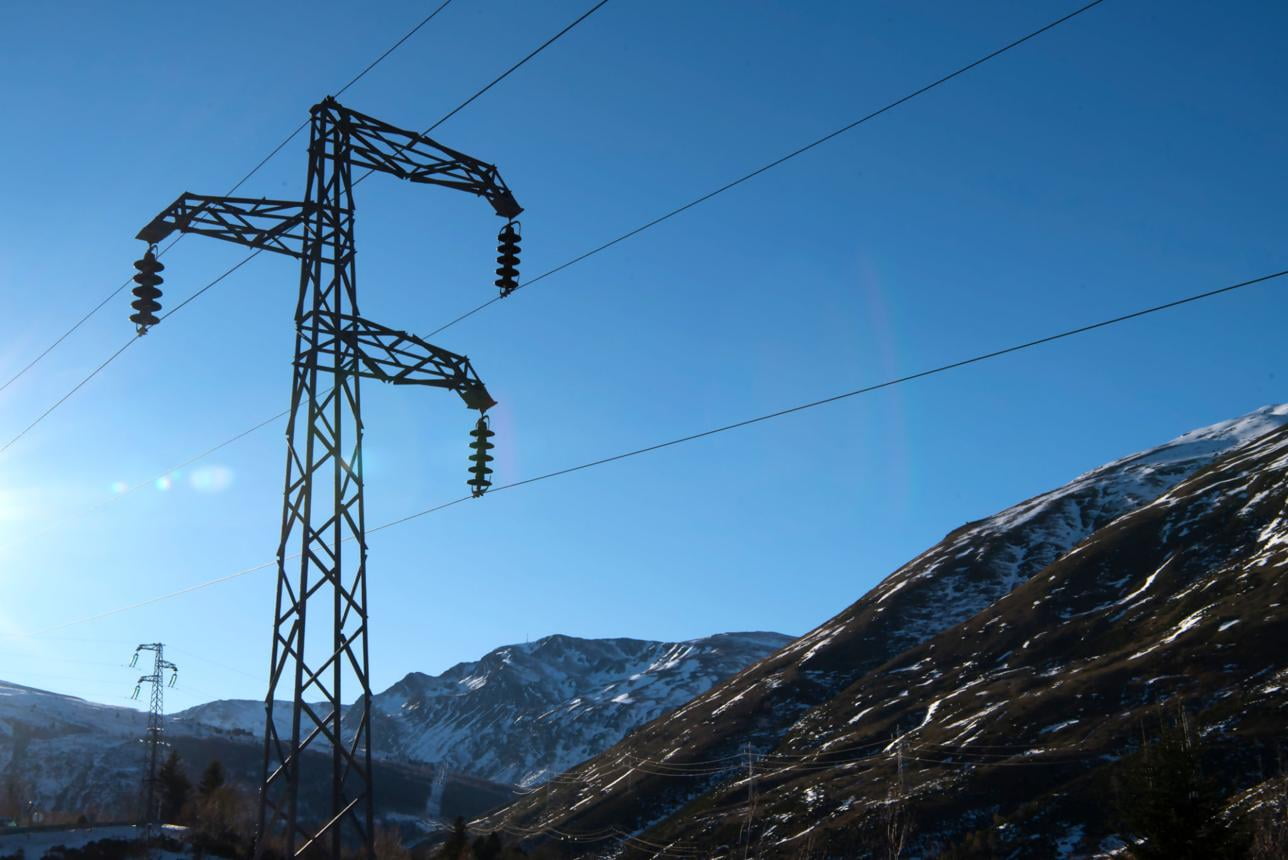
Perpignan: The last high-voltage link driven under the Pyrenees took most of a decade to plan and build before it entered service in 2015, and it remains the standing argument for why Europe’s grid legislation keeps returning to permits rather than to cables. The energy highways concept now sits at the centre of that argument.

The Commission put its grids package on the table in December 2025 as two instruments: a revision of the trans-European energy infrastructure regulation and a directive on faster permit granting. The Council agreed its general approach on 26 June 2026. Parliament has yet to fix its own position, and trilogues follow after that, which places any final text well into next year.

Energy highways are the political centrepiece. The idea designates a set of strategic interconnections whose purpose is to clear the bottlenecks that keep national power markets partially separate, and to give planners a single European map rather than twenty-seven overlapping national ones. Interconnection capacity remains thin between several neighbours, and thin links mean price divergence, curtailed wind and generation held back because it cannot reach demand.

The permitting directive carries the harder work. It seeks simpler and more transparent procedures and prioritises electricity and renewables infrastructure in the queue. Prioritisation, though, changes the order of a national process rather than its length. A transmission line still needs land, an environmental assessment and, in most member states, the resolution of legal challenges brought by people who will live beside it. No EU directive shortens a court docket.

Grid operators argue that supply chains now bind as tightly as permits. Order books for high-voltage cable and large transformers run years long, and a project that clears consent in 2028 may wait until the 2030s for hardware. That sequencing problem cuts against the assumption that faster consent delivers faster megawatts, and it explains why some analysts want the package to push harder on solutions that avoid new lines altogether, including advanced conductors and grid-enhancing technologies that raise capacity on existing corridors.

The Electrification Action Plan, presented on 17 July 2026, raises the stakes. Moving heating, transport and industrial processes onto electricity increases demand on precisely the network the grids package is meant to expand. If the plan succeeds and the package stalls, Europe adds load to a system that cannot carry it, and consumers meet the difference in congestion costs.

Regional authorities push back on the centralising instinct. Planning law belongs to member states, and a directive that reorders national queues to suit a European map will meet resistance from ministries that answer to local objectors rather than to Brussels. Their counterargument is legitimate: a project prioritised at Union level still requires consent from a community that receives the pylons and little of the benefit, and compensation arrangements remain a national matter.

The Council set out its position in its June general approach, and Parliament’s text will complete the picture. The measure that matters afterwards is not the number of energy highways designated but the median time from application to spade in the ground, and that number lives in national administrations that the directive can nudge but cannot run.