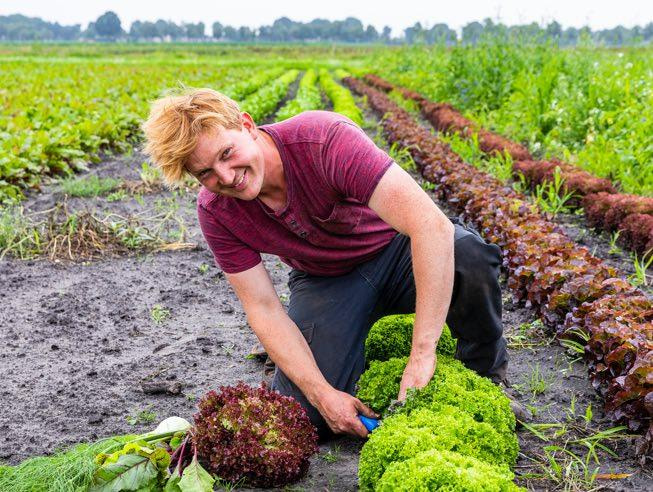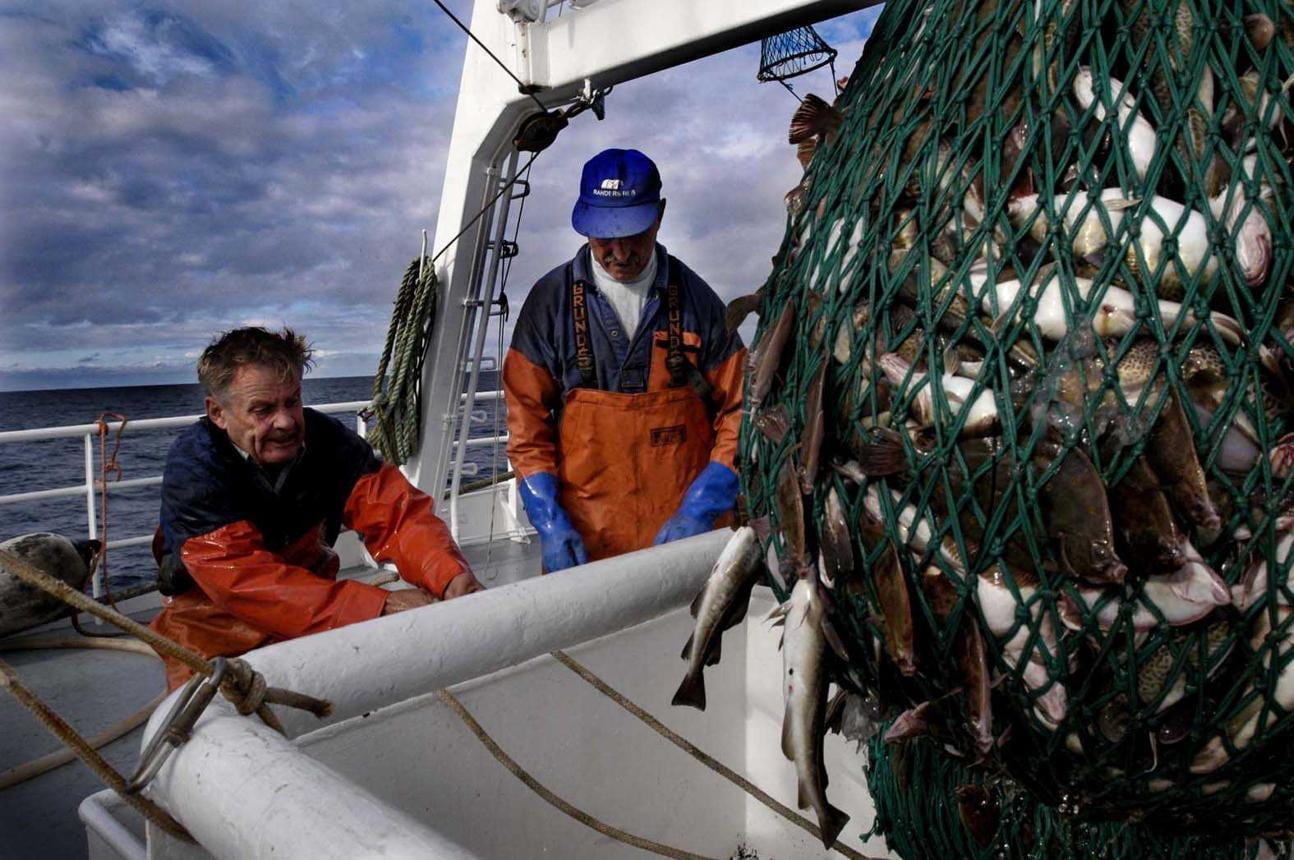
Paris: The Common Agricultural Policy stands at one of its most consequential inflection points since the MacSharry reforms of the early 1990s. Pressure from farmers across France, Germany, the Netherlands and Poland has forced policymakers to revisit the architecture of direct payments, environmental conditionality and the green elements introduced under the current programming period. What began as scattered protests over fuel prices and pesticide rules has hardened into a structural debate about whether European agriculture can absorb both ecological ambition and global competitive pressure simultaneously.
The numbers explain part of the unrest. CAP absorbs roughly a third of the entire EU budget, yet the share of farmers reporting that direct payments cover their basic income costs has fallen steadily over the past decade. Input costs for fertiliser, diesel and seed remain elevated relative to pre-2022 baselines, while output prices in cereals and dairy have softened. Younger farmers face structural barriers to land access that subsidy schemes were never designed to address.
A second axis of pressure comes from the environmental side. The strategic dialogue convened to bridge farming and conservation interests produced a set of recommendations that few stakeholders fully endorse. Environmental groups argue that conditionality has been hollowed out through successive derogations. Farming unions counter that compliance costs for soil cover, crop rotation and buffer strips outpace the support payments offered in exchange. Auditors have flagged that several green payment schemes show limited measurable impact on biodiversity outcomes despite substantial expenditure.
Trade dynamics complicate the picture further. The agreement with Mercosur, resumption of Ukrainian grain flows and tariff disputes with major export markets have all sharpened the question of how to reconcile mirror clauses, pesticide bans and animal welfare standards with the price competitiveness of EU producers. A vegetable farmer in Andalusia or a cereal producer in northern France operates under a regulatory regime that imports often do not face, creating what agricultural economists describe as a regulatory asymmetry that distorts both incentives and political consent.
The next programming period offers an opportunity for redesign rather than incremental tinkering. Several proposals on the table would shift more weight toward small and medium holdings through capping mechanisms, redirect funds from area-based payments to risk management tools, and consolidate the green architecture into outcome-based payments that reward measurable carbon, water or biodiversity gains rather than process compliance. None of these ideas is new; what is new is the political space to consider them seriously after a year of sustained mobilisation.
The institutional question is harder. CAP reform requires the ordinary legislative procedure with member states divided along lines that cut across traditional political families. Eastern producers fear losing transitional support. Mediterranean states want more flexibility for water-stressed regions. Northern members push for stronger environmental conditionality. Reconciling these positions inside a fixed budget envelope tests the coordinating capacity of the rotating presidency and the convening role of the Commission.
What is increasingly clear is that the binary framing of farmers against environment has outlived its usefulness. The longer-term resilience of European food systems depends on soil health, pollinator populations and water availability that no subsidy regime can substitute for indefinitely. The harder political task is to design instruments that make ecological and economic sustainability mutually reinforcing rather than perpetually traded off. The coming months will indicate whether the institutions are willing to attempt that recalibration or to defer it again to the next mandate.