Aarhus: Every year the European Union takes its own measure against the seventeen Sustainable Development Goals it signed up to a decade ago, and every year the picture is the same in shape if not in detail: real advances on the social goals, stubborn drift on the environmental ones. The 2026 edition of Eurostat’s monitoring report, published in early June, confirms that the bloc is moving in the right direction on most fronts over the long run, but it also lays bare how uneven that movement has become.
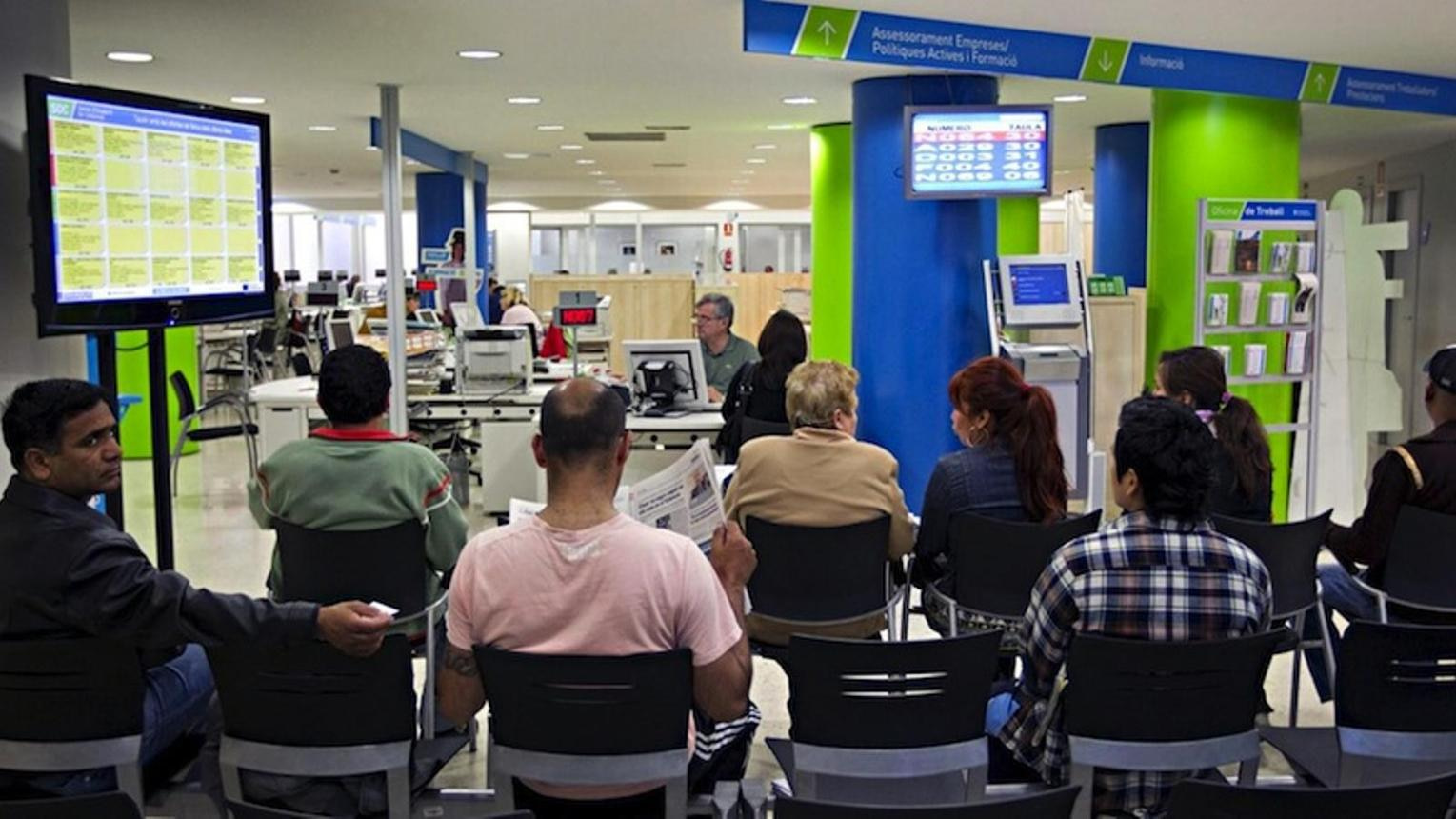
The headline finding is that progress is broad but shallow. Across the goals tracked over the past five years, the EU has improved on a clear majority of the indicators that feed into the index. Poverty and social exclusion have edged down from pandemic-era peaks, employment rates sit near record highs, and access to education and digital services has widened. These are the areas where European policy has the most direct levers and the longest track record, and the numbers reflect that.
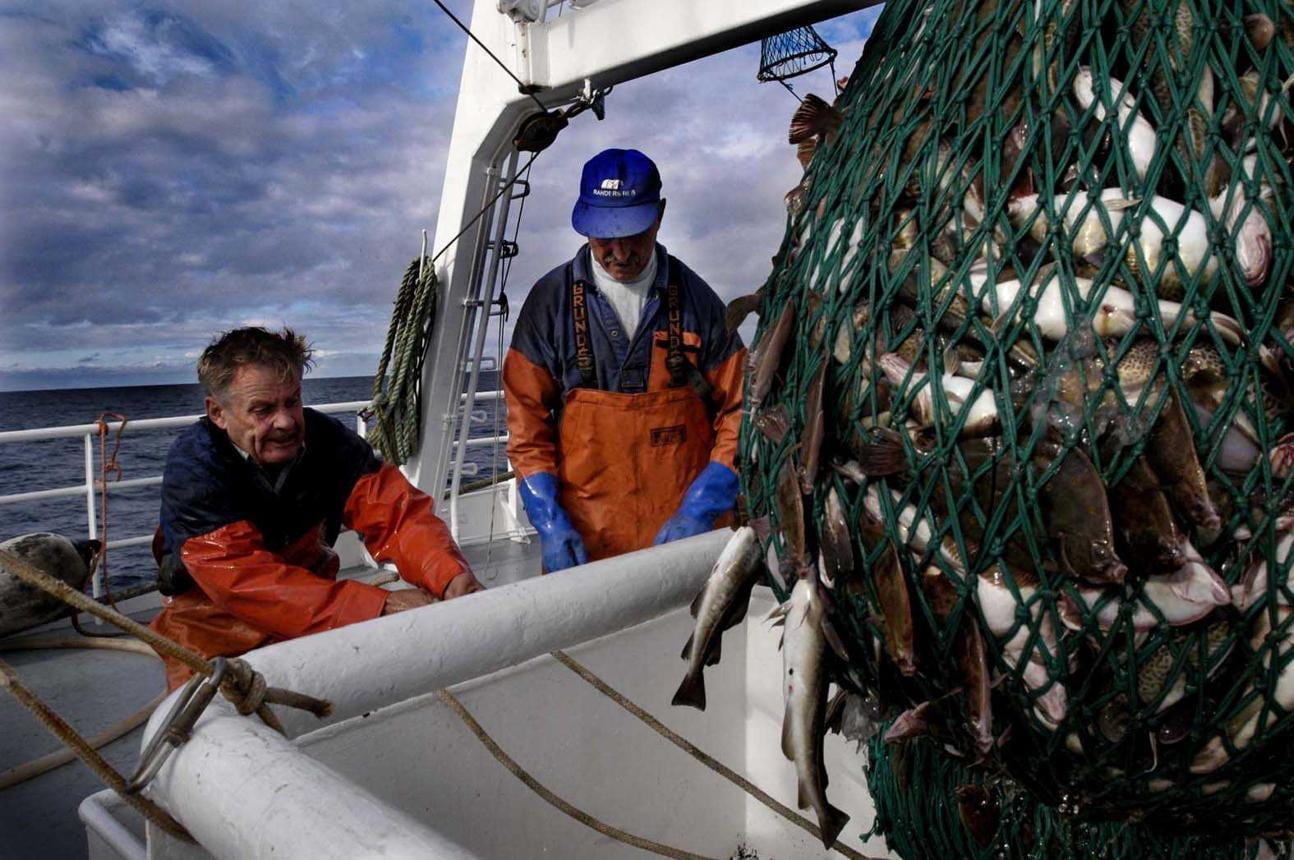
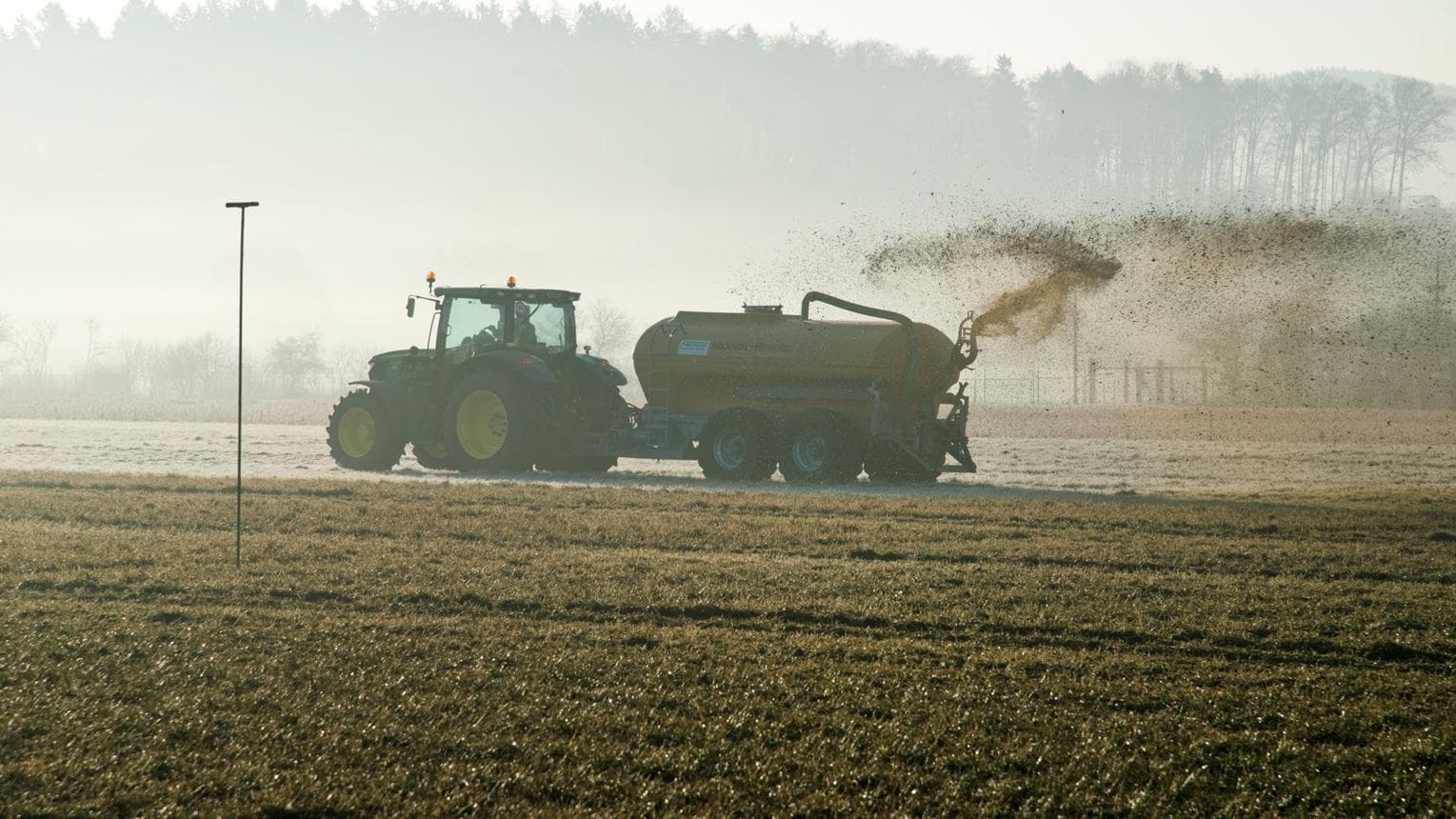
Where the report turns uncomfortable is on the goals tied to the natural world. Indicators on climate action, on life below water, and on biodiversity show either stagnation or outright regression. Land taken up by sprawl continues to expand, the share of protected habitats in good condition remains low, and the pace of emissions cuts, while real, is not yet matched by the parallel decline in resource consumption that a genuinely circular economy would require. The statisticians are careful to avoid editorial language, but the trend lines speak plainly enough.
That divergence matters because it complicates the political story the bloc likes to tell about itself. The European Union has built much of its external identity around being the world’s most ambitious environmental actor, yet its own dashboard suggests the gap between target and outcome is widest precisely on environmental questions. The report’s authors note that several of the climate and nature indicators are also the most sensitive to short-term shocks, from energy-price spikes to drought, which makes a smooth trajectory harder to sustain.
The monitoring exercise is not a ranking and carries no penalties. Its value is diagnostic: it tells policymakers where the dashboard lights are flashing before the legislative machine decides what to do about them. With the bloc midway through translating its headline 2040 climate ambitions into binding sectoral rules, the latest figures hand both camps ammunition. Advocates of faster action point to the environmental backsliding as proof that current measures are too weak. Those wary of overreach point to the social progress as evidence that the existing model is delivering where it counts most for citizens.
There is also a quieter methodological story. Eurostat has steadily expanded the number of indicators it tracks and refined how it weights them, which means year-on-year comparisons require more care than a casual reader might assume. A goal can appear to deteriorate simply because the underlying data has become more complete and more honest about problems that were previously invisible. The office flags these caveats prominently, a reminder that statistics are never quite the neutral mirror they are taken to be.
For a Union that prizes evidence-based policy, the report is less a verdict than a prompt. It will feed into the Commission’s annual strategic planning, into the European Semester’s country-by-country reviews, and into the arguments member states make when they next sit down to haggle over budgets and targets. The destination has not changed. The question the numbers raise is whether the bloc is still walking fast enough to reach it.