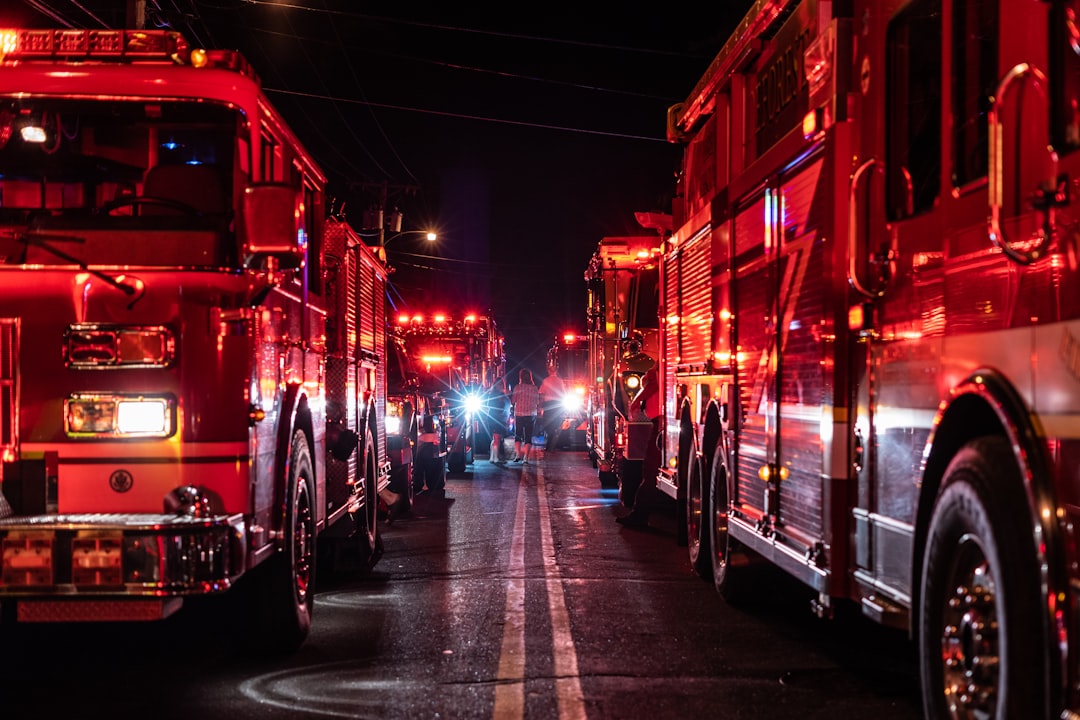
Athens: As the first heatwaves of the summer settle over southern Europe, the bloc has positioned its shared firefighting fleet for what officials expect to be another punishing wildfire season, leaning on a rescue reserve that has grown steadily since fires overwhelmed several countries in recent years.
The centrepiece is rescEU, the pool of emergency assets that the bloc owns and funds directly rather than borrowing from member states in the middle of a crisis. The reserve now spans firefighting planes and helicopters, field hospitals, medical stockpiles and shelter, and it exists precisely so that no single country faces a disaster alone.
This year the fleet gained new muscle. The first helicopter bought under the scheme arrived in Romania in January and stands ready for the 2026 wildfire response, part of a build-up that also stations aircraft around the Mediterranean rim where fires strike hardest. The Commission describes the reserve and its coordinating role on its civil protection pages.
The machinery works through a single hub. When flames outrun a national service, a government can appeal to the EU Civil Protection Mechanism, and a coordination centre then matches the request to whatever planes, crews or supplies other countries can spare. During the worst summers that centre has juggled simultaneous emergencies across several borders at once.
The stakes have risen with the climate. Fire seasons now start earlier and burn hotter, and blazes that once counted as exceptional have become an annual expectation from Portugal to Greece. Officials argue that pooling aircraft makes far more sense than asking every state to buy and maintain its own fleet for a threat that peaks in the same few weeks.
Money underpins the effort. The bloc channels roughly 1.65 billion euros a year into civil protection and humanitarian operations, a budget that also stretches to disasters far beyond wildfires, from floods to the war in Ukraine, where more than 160,000 tonnes of aid have moved through the same mechanisms.
Critics of the model dispute its scale rather than its value. Some national fire chiefs argue that the shared fleet remains too small for a continent where several major fires can erupt on the same afternoon, and they press for faster purchases and larger stockpiles. The Commission counters that the reserve keeps expanding year on year.
For residents in fire-prone regions the reassurance is concrete. When a local service exhausts its own aircraft, help can now arrive from a European pool rather than depend on bilateral favours arranged under pressure. Whether that help proves enough will, as ever, hinge on how many fronts open at once.
The coming weeks will test the wildfire response in the only way that counts. Forecasters warn of a hot, dry summer across the south, and the fleet that spent the spring waiting on the tarmac will soon learn whether this year’s preparation matches the scale of the threat.