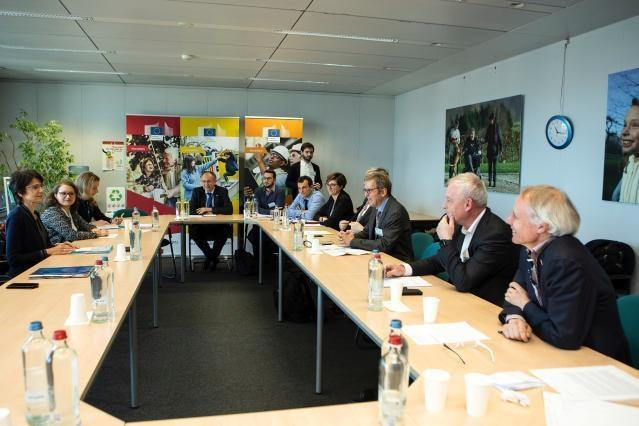
Vigo: The annual reckoning over how much fish Europe may pull from its seas has begun again, and the early signals point to another tense negotiation. When fisheries ministers met on 22 June they took stock of the state of the bloc’s stocks and formally opened the cycle that will fix catch limits for 2027, building on a Commission communication issued earlier in the month that set the tone for the talks ahead.
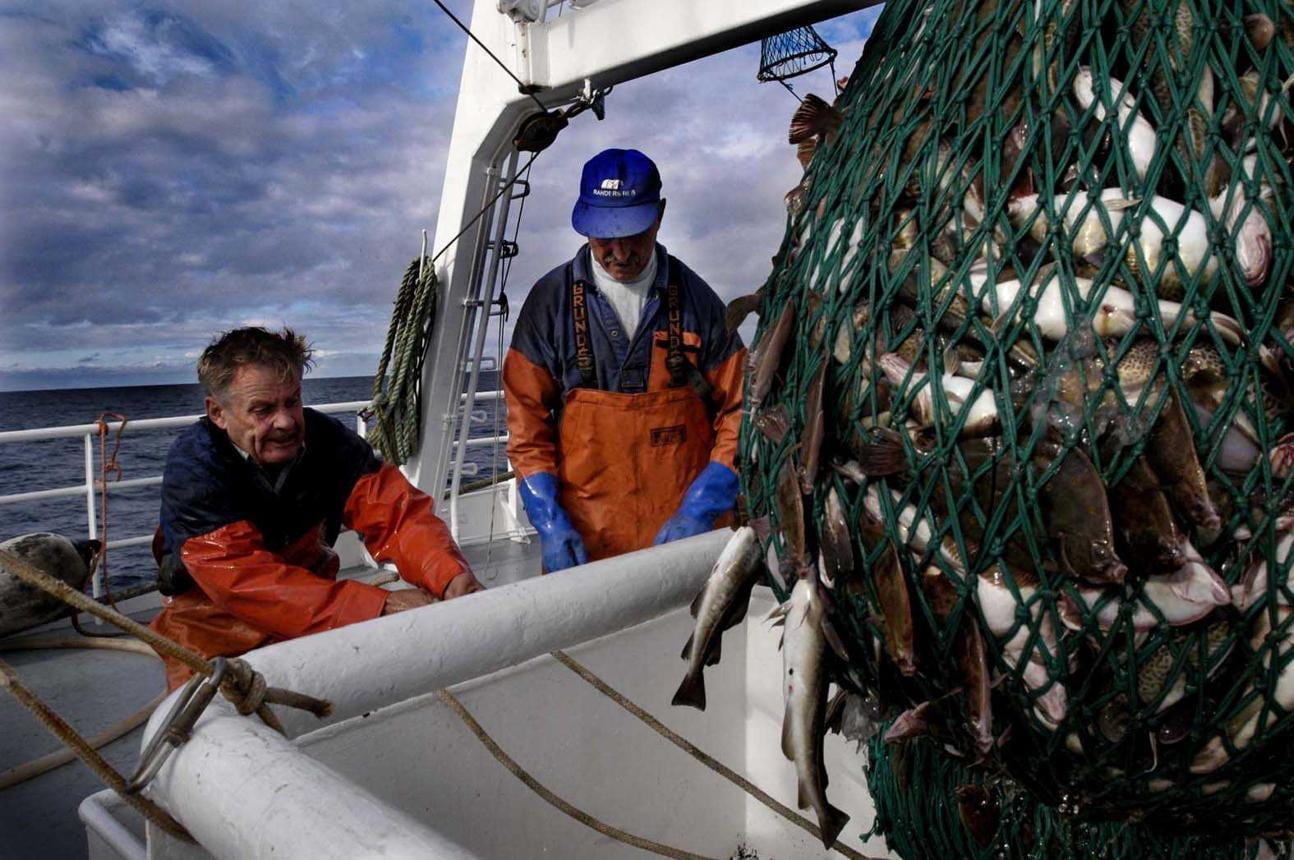
The headline from that stocktake was cautiously encouraging. Across many of the Union’s waters, fishing pressure has been falling and a growing number of stocks are now exploited at levels scientists consider sustainable, the fruit of years of painful quota discipline. Yet the picture is far from uniform. The Baltic remains in poor shape, with cod stocks so depleted that only by-catch is permitted, and both the Mediterranean and Black Sea continue to lag, their recovery slowed by overfishing, warming waters and habitat loss that no quota alone can reverse.
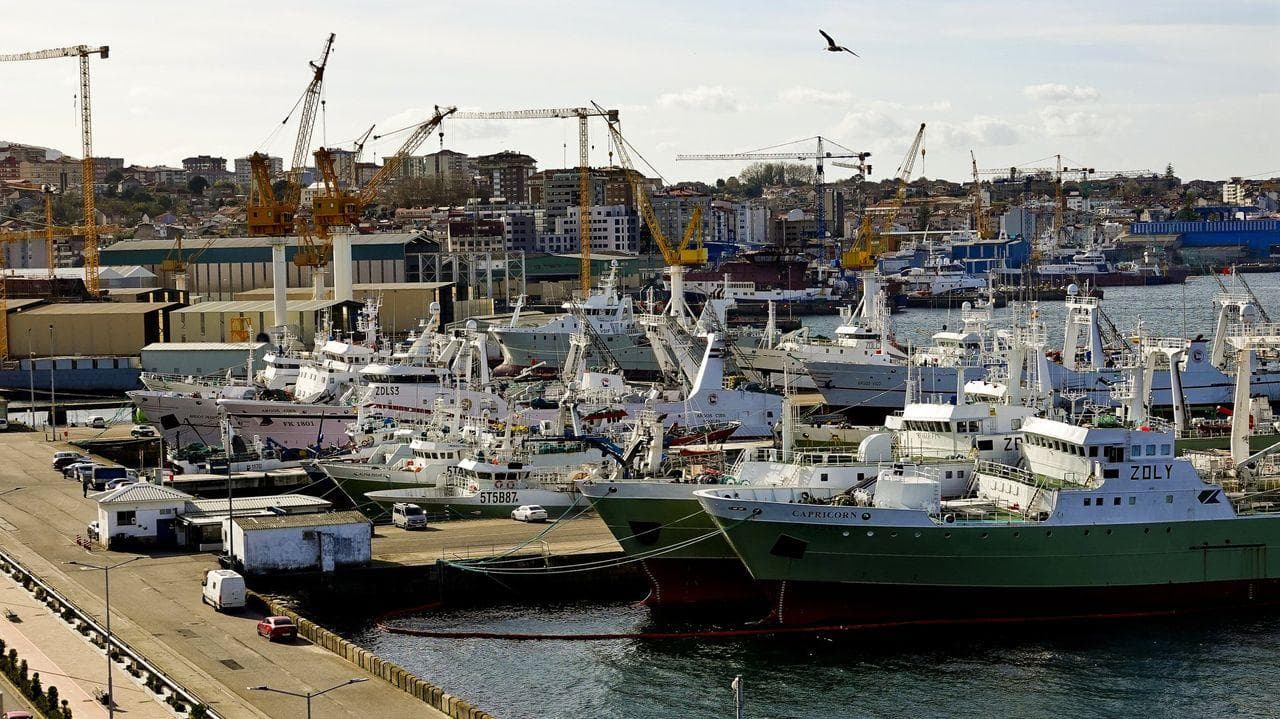
That unevenness frames the coming fight. In ports from Vigo to the Adriatic, fishing communities argue that they have already shouldered deep cuts and warn that further reductions threaten livelihoods, crews and the coastal economies that depend on them. Conservation scientists, leaning on the advice of the International Council for the Exploration of the Sea, counter that easing up now would squander hard-won gains and leave the most fragile stocks one bad season from collapse. Ministers are caught, as ever, between the boat and the biologist.
Running beneath the quota arithmetic is a slower structural change. The Union’s revised fisheries control regulation is dragging the sector into the digital age, extending electronic monitoring of vessels, tightening the traceability of catches from net to plate and harmonising the penalties that member states impose for breaking the rules. Supporters see it as the missing enforcement backbone that gives quotas meaning; parts of the industry see costly surveillance and paperwork imposed on operators already running thin margins.
The geography of the debate is widening too. The Commission and Mediterranean partners have committed to a renewed MedFish4Ever declaration in 2027, an acknowledgement that the basin’s troubles cross borders and cannot be solved by EU fleets alone. Climate change, meanwhile, is quietly redrawing the map as species shift north and east, scrambling the assumptions on which old sharing arrangements were built.
The immediate path is procedural but consequential. The Commission will table its detailed proposals for 2027 fishing opportunities in the autumn, setting up the familiar December marathon in which ministers bargain through the night over decimal points that translate into thousands of tonnes. What is decided will ripple from the quaysides of Galicia to the fish counters of inland cities, a reminder that few EU policies connect a continent’s dinner tables so directly to the health of the water beyond its shores.