October 7, 2026
LATEST
Poland Border Controls Stay Until March 2027 As Warsaw Cites BelarusFrench Bond Yields Near 5 percent And Expose Limits Of The ECB BackstopPortugal Defends Cohesion As EU Budget Contributions SplitApple DMA Compliance Faces Brussels Test As New App Fees StartAnti-SLAPP Directive Gaps Shadow Politkovskaya AnniversaryUkraine Minority Education Bill Tests Hungary’s New ToneMoldova EU Accession Gets A €157 Million Reform PayoutSingle Market Exclusion Power Gives Brussels A China LeverSnap Election In Spain Turns Housing Into The Ballot IssueRetail Trade Volume Drops 0.6 percent As German Shoppers RetreatDemocratic Participation Draws 484 Irish Consultation SubmissionsEducation Ministers Gather In Dublin To Test The Union Of SkillsEurojust Regulation Overhaul Seeks €119 Million And 87 New PostsEU Space Act Awaits Parliament Verdict As 2030 Date LoomsChile Interim Trade Agreement Anchors Europe’s Lithium And HydrogenAustralia Trade Agreement Tests Brussels On Beef Quotas And LithiumEUBAM Rafah Renewal Keeps Europe In Gaza Border PlansEUMAM Ukraine Extension Keeps Training On Track For KyivMoldova EU Accession Gains Pace After Two Clusters OpenIndonesia EU CEPA Signing Races The GSP Cliff Of DecemberPoland Border Controls Stay Until March 2027 As Warsaw Cites BelarusFrench Bond Yields Near 5 percent And Expose Limits Of The ECB BackstopPortugal Defends Cohesion As EU Budget Contributions SplitApple DMA Compliance Faces Brussels Test As New App Fees StartAnti-SLAPP Directive Gaps Shadow Politkovskaya AnniversaryUkraine Minority Education Bill Tests Hungary’s New ToneMoldova EU Accession Gets A €157 Million Reform PayoutSingle Market Exclusion Power Gives Brussels A China LeverSnap Election In Spain Turns Housing Into The Ballot IssueRetail Trade Volume Drops 0.6 percent As German Shoppers RetreatDemocratic Participation Draws 484 Irish Consultation SubmissionsEducation Ministers Gather In Dublin To Test The Union Of SkillsEurojust Regulation Overhaul Seeks €119 Million And 87 New PostsEU Space Act Awaits Parliament Verdict As 2030 Date LoomsChile Interim Trade Agreement Anchors Europe’s Lithium And HydrogenAustralia Trade Agreement Tests Brussels On Beef Quotas And LithiumEUBAM Rafah Renewal Keeps Europe In Gaza Border PlansEUMAM Ukraine Extension Keeps Training On Track For KyivMoldova EU Accession Gains Pace After Two Clusters OpenIndonesia EU CEPA Signing Races The GSP Cliff Of December
October 7, 2026
LATEST
Poland Border Controls Stay Until March 2027 As Warsaw Cites BelarusFrench Bond Yields Near 5 percent And Expose Limits Of The ECB BackstopPortugal Defends Cohesion As EU Budget Contributions SplitApple DMA Compliance Faces Brussels Test As New App Fees StartAnti-SLAPP Directive Gaps Shadow Politkovskaya AnniversaryUkraine Minority Education Bill Tests Hungary’s New ToneMoldova EU Accession Gets A €157 Million Reform PayoutSingle Market Exclusion Power Gives Brussels A China LeverSnap Election In Spain Turns Housing Into The Ballot IssueRetail Trade Volume Drops 0.6 percent As German Shoppers RetreatDemocratic Participation Draws 484 Irish Consultation SubmissionsEducation Ministers Gather In Dublin To Test The Union Of SkillsEurojust Regulation Overhaul Seeks €119 Million And 87 New PostsEU Space Act Awaits Parliament Verdict As 2030 Date LoomsChile Interim Trade Agreement Anchors Europe’s Lithium And HydrogenAustralia Trade Agreement Tests Brussels On Beef Quotas And LithiumEUBAM Rafah Renewal Keeps Europe In Gaza Border PlansEUMAM Ukraine Extension Keeps Training On Track For KyivMoldova EU Accession Gains Pace After Two Clusters OpenIndonesia EU CEPA Signing Races The GSP Cliff Of DecemberPoland Border Controls Stay Until March 2027 As Warsaw Cites BelarusFrench Bond Yields Near 5 percent And Expose Limits Of The ECB BackstopPortugal Defends Cohesion As EU Budget Contributions SplitApple DMA Compliance Faces Brussels Test As New App Fees StartAnti-SLAPP Directive Gaps Shadow Politkovskaya AnniversaryUkraine Minority Education Bill Tests Hungary’s New ToneMoldova EU Accession Gets A €157 Million Reform PayoutSingle Market Exclusion Power Gives Brussels A China LeverSnap Election In Spain Turns Housing Into The Ballot IssueRetail Trade Volume Drops 0.6 percent As German Shoppers RetreatDemocratic Participation Draws 484 Irish Consultation SubmissionsEducation Ministers Gather In Dublin To Test The Union Of SkillsEurojust Regulation Overhaul Seeks €119 Million And 87 New PostsEU Space Act Awaits Parliament Verdict As 2030 Date LoomsChile Interim Trade Agreement Anchors Europe’s Lithium And HydrogenAustralia Trade Agreement Tests Brussels On Beef Quotas And LithiumEUBAM Rafah Renewal Keeps Europe In Gaza Border PlansEUMAM Ukraine Extension Keeps Training On Track For KyivMoldova EU Accession Gains Pace After Two Clusters OpenIndonesia EU CEPA Signing Races The GSP Cliff Of December

Fishing Fleets Face Capacity Rules In EU Fisheries Funding Overhaul

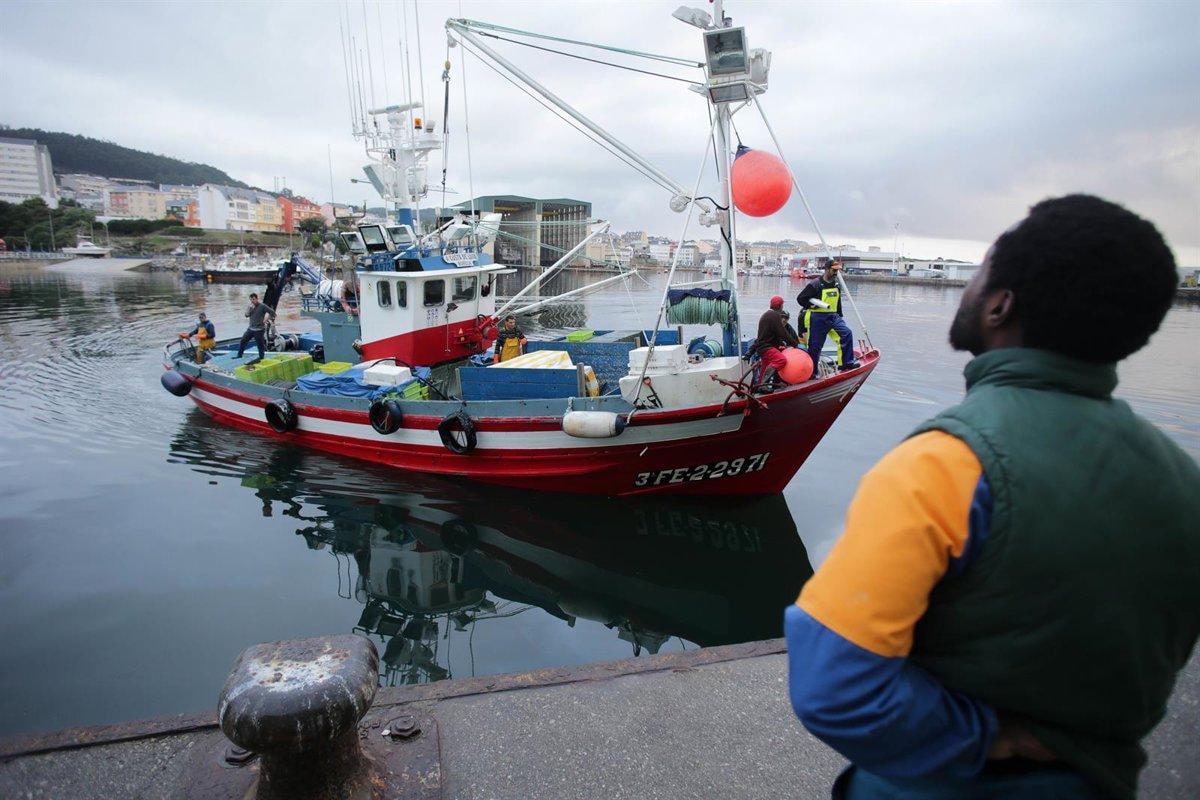
Vigo: The Council agreed its negotiating position on future EU fisheries funding on 29 September 2026, setting out how the Union would back fishers, aquaculture farmers and coastal communities in the 2028 to 2034 budget period. The text replaces the current European Maritime, Fisheries and Aquaculture Fund with a single funding toolbox that member states would deliver through national and regional partnership plans. The Irish presidency can now start talks with the European Parliament.

The change in structure is the biggest political point. Today the fisheries fund runs as a separate instrument with its own programmes, while the Commission’s proposal of 16 July 2025 folds support into the national and regional partnership plans that will also carry other policies. Supporters say one plan per country cuts duplication and speeds up payments. Critics fear that fishing, which depends on specific ports and fleets, may lose visibility inside a larger document negotiated between each capital and the Commission. For fishers, EU fisheries funding would then depend on how each capital writes its plan.

The Council text keeps a safeguard that fleets will notice. Support for investments in vessels is tied to the withdrawal of fishing capacity, so a government cannot help a skipper add capacity without taking an equivalent amount out of the fishery. The framework also aligns with the World Trade Organization agreement on fisheries subsidies, which became binding in September 2025. That link matters because it limits the kinds of support that countries may give to fleets that contribute to overcapacity and overfishing.

Ministers listed a broad set of objectives for the new EU fisheries funding. They include generational renewal in a sector with an ageing workforce, the energy transition of fleets, sustainable fisheries, modernisation, the resilience of coastal communities and the development of the blue economy. Agriculture Minister Martin Heydon, who chaired the discussion for the Irish presidency, said the agreement gives member states a solid basis for shaping the future of EU support to the fisheries sector.

No budget figure appears in the Council position. The size of the envelope depends on the wider negotiation over the 2028 to 2034 multiannual financial framework, and the Council says financial and horizontal questions will be handled in those broader talks. That leaves the key question for fishing communities unanswered, because a well-designed toolbox with little money behind it would do little for the ports that rely on it. Without a number, EU fisheries funding remains a framework rather than a promise.

Parliament has its own views on how fisheries should be treated in the next budget, and it is likely to press for dedicated protection of the sector. The negotiation will show whether the partnership plan model can keep a distinct place for small-scale fishers and processors, and whether the capacity safeguards survive in their present form.

For fleets from Galicia to the Baltic, the practical effect will arrive only after the final budget is settled. Until then, the Council position sets out the logic that governments want from EU fisheries funding: fewer separate funds, tighter links between investment and capacity, and a sector that is younger, cleaner and better prepared for the energy transition.