Parma: The Council of the EU agreed its negotiating position on food and feed safety on 30 September 2026, backing the tenth simplification package, known as Omnibus X. The headline change gives pesticides much longer approval periods, while member states also tightened limits on the most hazardous residues. The mandate lets the Irish presidency open talks with the European Parliament as soon as MEPs adopt their own position.
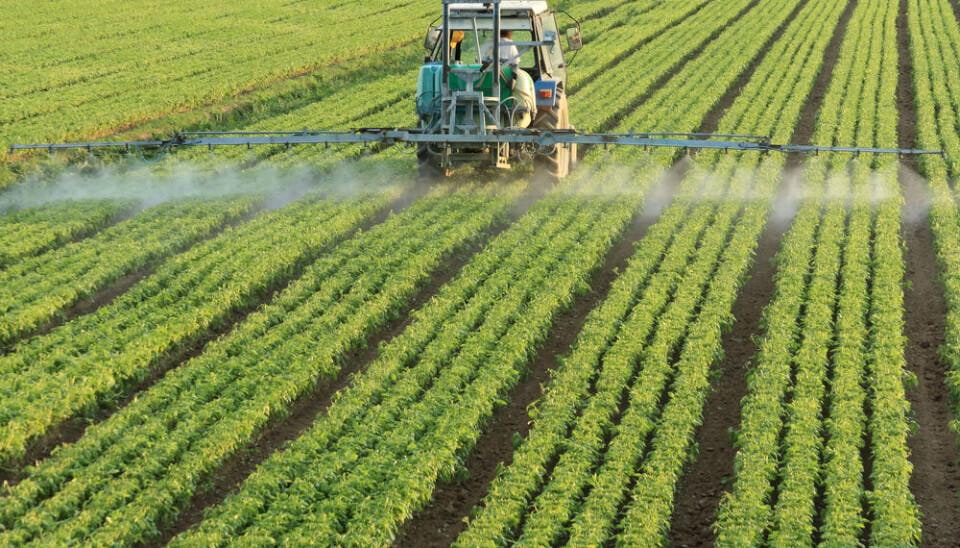
The plant protection chapter carries the biggest numbers. The first approval of an active substance would last 15 years and later approvals would last 25 years, and low-risk active substances would receive unlimited approvals. Biocontrol substances would gain a fast-track route. The Council also lengthened the period in which companies keep exclusive rights to their test data, from 10 to 13 years for regular plant protection products and from 13 to 15 years for low-risk ones. An EU-level database for test reports would sit behind the whole system. Taken together, these periods reshape the economics of food and feed safety approvals for manufacturers.
Residue limits move in the opposite direction. The Council wants existing maximum residue levels lowered to technical zero for particularly hazardous pesticides, and it widened the scope to cover substances that affect honeybees or groundwater. Transitional provisions would stop food that was lawfully produced from being thrown away when a limit drops. That detail matters for the food and feed safety debate, because it shows that ministers tried to pair stricter rules with a practical answer to waste.
Biocidal products follow the same pattern as pesticides, with 15 years for first approvals and 25 years for renewals. For feed additives, the Council would remove the systematic renewal requirement for most authorised additives, streamline the way authorisations are modified and enable digital labelling. A further clarification says that fermentation products made with genetically modified micro-organisms do not count as produced from genetically modified organisms, and the Commission would draw up guidance on manufacturing practices.
Irish ministers framed the mandate as relief for the sector. Thomas Byrne, Ireland’s Minister of State for European Affairs, called the package a key deliverable under the One Europe One Market roadmap, while Agriculture Minister Martin Heydon said the agreement eases administrative burden for farmers across the Union. Supporters present the food and feed safety package as simplification rather than a retreat from protection. The Council reached related positions earlier in the year, adopting the biocides data protection regulation on 11 May 2026 and approving its position on sustainable pesticide use on 27 May.
The trade-off at the centre of this file is easy to state. Longer approvals reduce paperwork for companies and regulators, yet they also lengthen the gap between new scientific findings and a review of a substance already on the market. The Council answers that concern with the technical zero limits and the wider protection for bees and groundwater, so Parliament will have to decide whether it finds the balance convincing. Farmers and food manufacturers will watch the data protection periods closely, because they decide how long generic competitors must wait.
The next step is negotiation with Parliament once it settles its own text, and the Council hopes to reach a provisional agreement by the end of 2026. Until that deal arrives, the Council position gives farmers, feed producers and regulators a clear picture of where member states stand on food and feed safety, and which parts of Omnibus X are likely to survive.