Ghent: Food waste in the EU reached 57.9 million tonnes in 2024, according to Eurostat figures published on 29 September 2026, and households produced more than half of it. The total rose 0.7 percent from 57.5 million tonnes a year earlier, so the Union moved in the wrong direction at a time when it has promised to cut waste. Spread across the population, the burden comes to 129 kilograms of food waste per person.
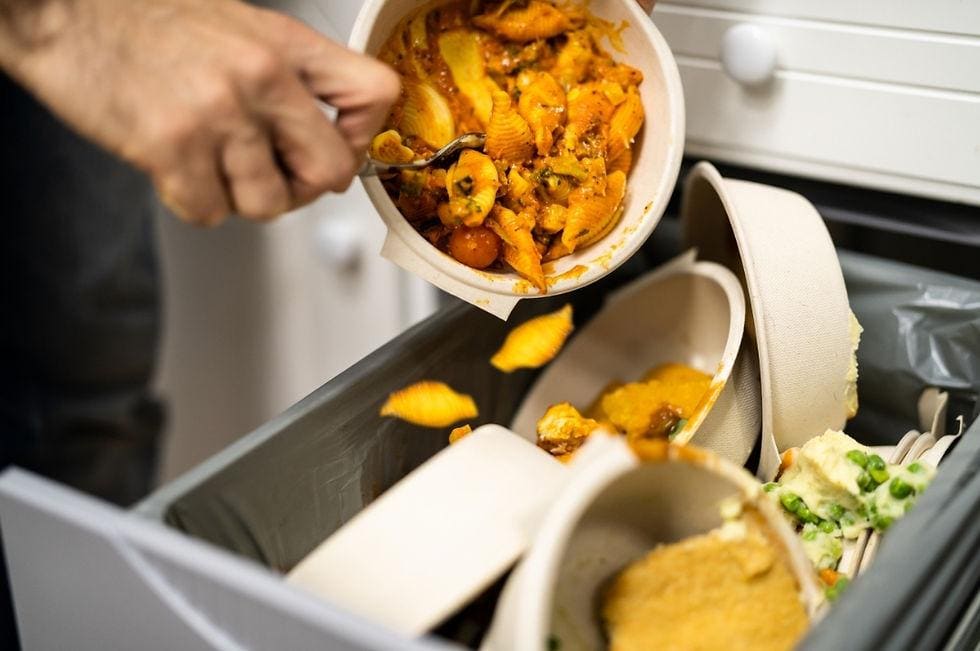
Homes carry the largest share. Households generated 53 percent of the total, or 69 kilograms per person, which makes the kitchen the single biggest source of food waste in Europe. Leftovers, spoiled produce and forgotten items at the back of the fridge all add up across millions of homes.
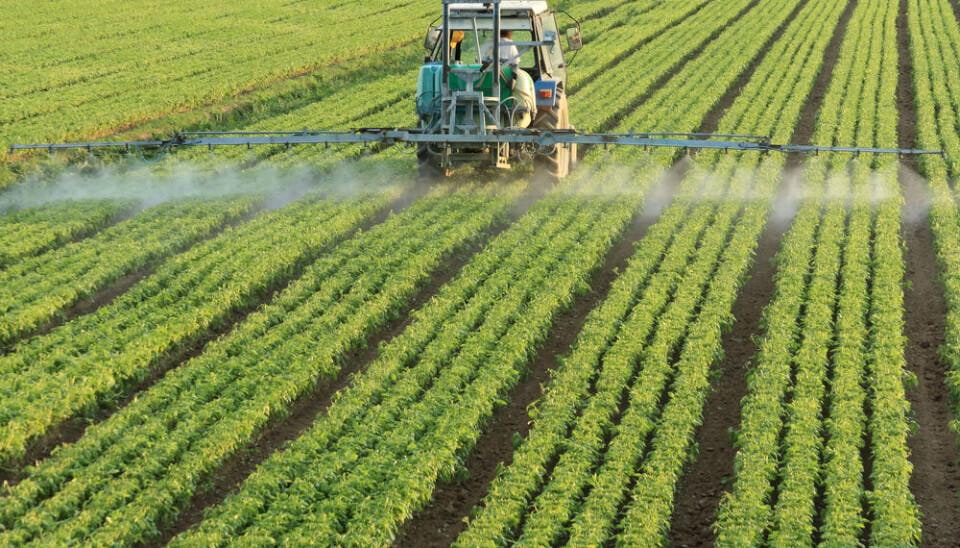
Food and beverage manufacturing came second with 19 percent, equal to 25 kilograms per person. Restaurants and food services added 12 percent, or 15 kilograms, while primary production and retail and distribution each accounted for 8 percent, or 10 kilograms per person. Taken together, the stages before the consumer produced 47 percent of the total, yet households still outweigh every other stage on their own.
The numbers matter because EU law now sets goals for 2030. The revised Waste Framework Directive asks member states to cut food waste by 10 percent in processing and manufacturing and by 30 percent per capita in retail, restaurants and households. A rise of 0.7 percent in 2024 shows how far national policies still have to travel before those targets come into reach.
A rise of this size looks small in percentage terms, but it still adds roughly 0.4 million tonnes to the pile in a single year. Because the household and retail goals work per capita, the average of 129 kilograms gives national governments a clear benchmark against which to measure progress. Statistical offices in each member state will keep reporting yearly figures, and those reports will show which countries cut waste and which let it grow.
Governments have several tools to act on household behaviour, from clearer date labels to awareness campaigns and redistribution rules for supermarkets and caterers. Such measures work best when they target the stage where the tonnage sits, and the 2024 data point firmly at the home. Manufacturers and caterers face their own targets and must show that better forecasting, process changes and donation schemes deliver real cuts.
The Eurostat release gives the Commission and national capitals a clear starting line for the final years before 2030. If households keep generating 69 kilograms of food waste each, the Union will struggle to deliver the reduction its own law demands. The next annual figures will show whether 2024 was a one-off rise or the start of a longer trend in food waste.