September 19, 2026
LATEST
Small Parcels Get a Handling Fee as Europe’s Customs Reform ClearsManila Must Open Public Contracts Before Europe Signs AnythingEurope’s KIDS Act Would Put Parents Back in Charge of AccountsArmenian Apricots Reach Europe Only Through Narrow Tariff QuotasMyanmar’s Crisis Outgrows the Aid Envelope Europe Built for ItJapan Joins Horizon Europe for the Price of a Rounding ErrorIndia’s Trade Deal Now Waits on the Council and Two ParliamentsBeijing Gets an October Date and a Very Short Deliverables ListJudges Strike Down Estonia’s Deposit for European CandidatesSolidarity Fund Pays for Storms Eight Months After the WaterFreight Tariffs Decide Whether the Middle Corridor Reaches ScaleFolding the Diplomatic Service Into the Commission Needs UnanimityCritical Raw Materials Corporation Tests EU StockpilingHeatwave Plan Tests Europe’s Climate Adaptation GapEuropean Security Council Faces a Missing Legal BaseNature Restoration Plans Arrive With a Year of Haggling AheadPlatform Work Rules Arrive in December With Most States UnreadyDominant Firms Face Europe’s First Rulebook on Exclusionary AbuseInnovation Act Reaches Council With EU Preference Still DisputedSecondary Raw Materials Await an Act That Has Not Been TabledSmall Parcels Get a Handling Fee as Europe’s Customs Reform ClearsManila Must Open Public Contracts Before Europe Signs AnythingEurope’s KIDS Act Would Put Parents Back in Charge of AccountsArmenian Apricots Reach Europe Only Through Narrow Tariff QuotasMyanmar’s Crisis Outgrows the Aid Envelope Europe Built for ItJapan Joins Horizon Europe for the Price of a Rounding ErrorIndia’s Trade Deal Now Waits on the Council and Two ParliamentsBeijing Gets an October Date and a Very Short Deliverables ListJudges Strike Down Estonia’s Deposit for European CandidatesSolidarity Fund Pays for Storms Eight Months After the WaterFreight Tariffs Decide Whether the Middle Corridor Reaches ScaleFolding the Diplomatic Service Into the Commission Needs UnanimityCritical Raw Materials Corporation Tests EU StockpilingHeatwave Plan Tests Europe’s Climate Adaptation GapEuropean Security Council Faces a Missing Legal BaseNature Restoration Plans Arrive With a Year of Haggling AheadPlatform Work Rules Arrive in December With Most States UnreadyDominant Firms Face Europe’s First Rulebook on Exclusionary AbuseInnovation Act Reaches Council With EU Preference Still DisputedSecondary Raw Materials Await an Act That Has Not Been Tabled
September 19, 2026
LATEST
Small Parcels Get a Handling Fee as Europe’s Customs Reform ClearsManila Must Open Public Contracts Before Europe Signs AnythingEurope’s KIDS Act Would Put Parents Back in Charge of AccountsArmenian Apricots Reach Europe Only Through Narrow Tariff QuotasMyanmar’s Crisis Outgrows the Aid Envelope Europe Built for ItJapan Joins Horizon Europe for the Price of a Rounding ErrorIndia’s Trade Deal Now Waits on the Council and Two ParliamentsBeijing Gets an October Date and a Very Short Deliverables ListJudges Strike Down Estonia’s Deposit for European CandidatesSolidarity Fund Pays for Storms Eight Months After the WaterFreight Tariffs Decide Whether the Middle Corridor Reaches ScaleFolding the Diplomatic Service Into the Commission Needs UnanimityCritical Raw Materials Corporation Tests EU StockpilingHeatwave Plan Tests Europe’s Climate Adaptation GapEuropean Security Council Faces a Missing Legal BaseNature Restoration Plans Arrive With a Year of Haggling AheadPlatform Work Rules Arrive in December With Most States UnreadyDominant Firms Face Europe’s First Rulebook on Exclusionary AbuseInnovation Act Reaches Council With EU Preference Still DisputedSecondary Raw Materials Await an Act That Has Not Been TabledSmall Parcels Get a Handling Fee as Europe’s Customs Reform ClearsManila Must Open Public Contracts Before Europe Signs AnythingEurope’s KIDS Act Would Put Parents Back in Charge of AccountsArmenian Apricots Reach Europe Only Through Narrow Tariff QuotasMyanmar’s Crisis Outgrows the Aid Envelope Europe Built for ItJapan Joins Horizon Europe for the Price of a Rounding ErrorIndia’s Trade Deal Now Waits on the Council and Two ParliamentsBeijing Gets an October Date and a Very Short Deliverables ListJudges Strike Down Estonia’s Deposit for European CandidatesSolidarity Fund Pays for Storms Eight Months After the WaterFreight Tariffs Decide Whether the Middle Corridor Reaches ScaleFolding the Diplomatic Service Into the Commission Needs UnanimityCritical Raw Materials Corporation Tests EU StockpilingHeatwave Plan Tests Europe’s Climate Adaptation GapEuropean Security Council Faces a Missing Legal BaseNature Restoration Plans Arrive With a Year of Haggling AheadPlatform Work Rules Arrive in December With Most States UnreadyDominant Firms Face Europe’s First Rulebook on Exclusionary AbuseInnovation Act Reaches Council With EU Preference Still DisputedSecondary Raw Materials Await an Act That Has Not Been Tabled

Frontier Research Gets 2.8 Billion and No Clear Answer About 2028

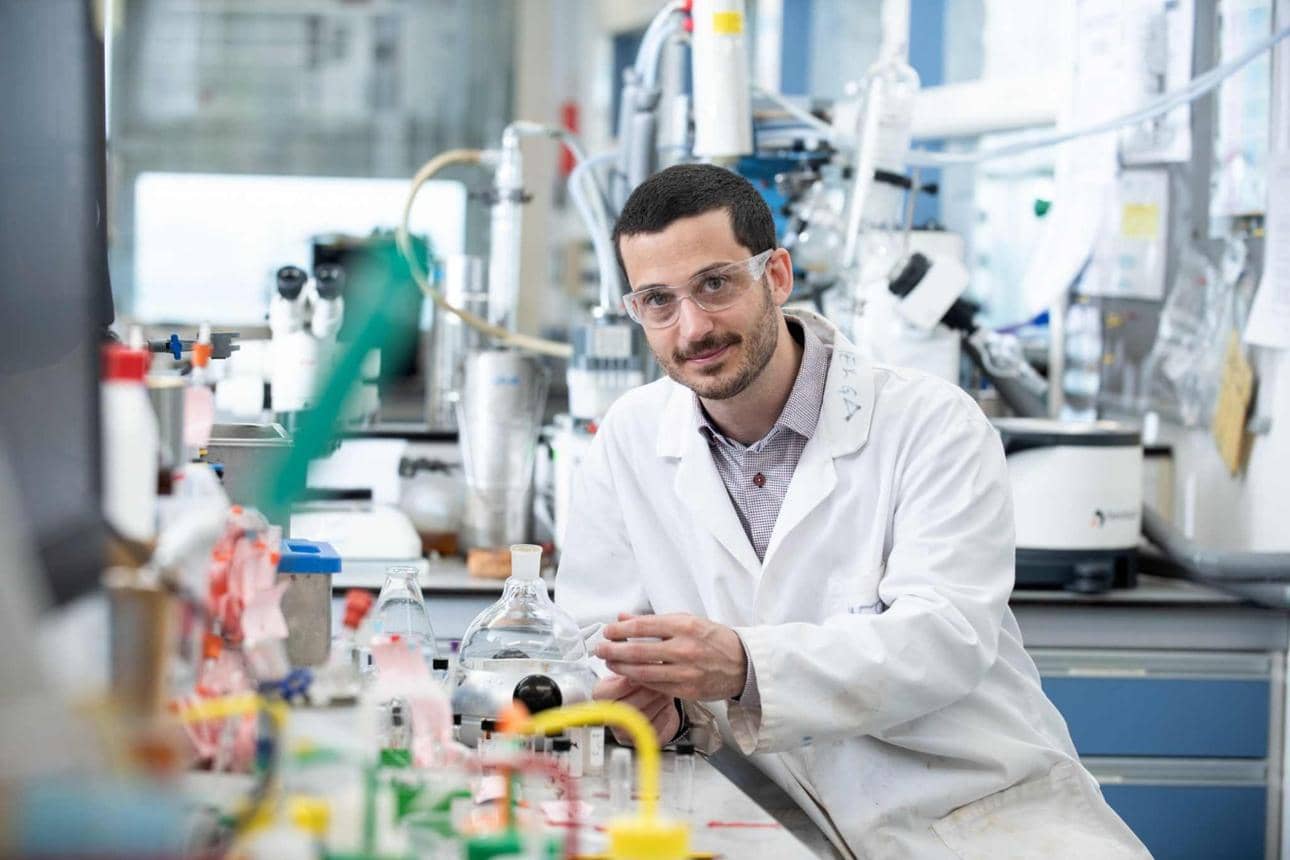
Leuven: The European Research Council has published the last work programme of the Horizon Europe era. It carries 2.81 billion euro across five frontier research calls and the proof of concept scheme, and it covers a year that ends where the current framework programme does.

The 2027 programme opened its Starting Grant call on 22 July with a 14 October deadline and 594.1 million euro behind roughly 373 awards. The Consolidator call opens on 24 September, closes on 12 January, and carries 618.5 million for about 296 grants. Advanced, Synergy and the newer ERC Plus scheme follow through 2027.

Researchers reading those numbers will do the arithmetic that matters to them. A Starting Grant runs five years. An award made from the 2027 call funds work into 2033, six years past the end of the programme financing it. That mismatch is normal in research funding and is usually invisible, because successor programmes carry the commitments forward. It is visible this time because the successor is unsettled.

Parliament votes its position on the next framework programme this month, which opens trilogues expected to run into early 2027. The Commission proposed folding research into a broader competitiveness instrument, a structure the research community reads as a threat to the ERC’s independence and to the principle that grants follow scientific excellence rather than policy priorities.

The ERC has spent two decades defending exactly that principle. Its panels assess proposals on quality alone, without thematic quotas or geographic balancing, and the resulting concentration of grants in a handful of countries has drawn steady political criticism. Widening measures address it around the edges. Nobody has found a way to spread frontier research money evenly without conceding that excellence is not the only criterion.

Success rates make the tension sharper. Roughly one in eight Starting Grant applications wins funding, which means most of the effort poured into these calls produces nothing but a rejection letter and a wasted autumn. Universities hire grant offices to manage the process. Smaller institutions cannot, which compounds the concentration the widening measures are meant to fix.

Against that, the ERC’s record is hard to dismiss. Its grantees have collected Nobel and Fields recognition, and the counterfactual argument that national funders would have backed the same work does not survive contact with how conservative most national panels are.

Applicants preparing Consolidator proposals this autumn cannot wait for the political question to resolve. They write to the rules published in the work programme, on the assumption that whatever follows Horizon Europe honours commitments made under it. That assumption has held through every previous transition. It has never been tested during a budget negotiation this contested.