August 9, 2026
LATEST
New EU Gas Market Rules Take Effect With Consumer SafeguardsDeforestation Regulation Holds Its December Deadline Despite CutsDigital Omnibus Delays Europe’s High-Risk AI Deadline to 2027Europe’s Schools Confront a Widening Basic Skills GapRule of Law Report Finds Progress but Trust Still LagsIRIS2 Gains 66 Satellites as Brussels Signs the Rollout DealNature Restoration Plans Come Due as Member States Race a DeadlineECB Rates Hold at 2.25 Percent as Frankfurt Waits on the DataEU Budget Talks Turn to Cohesion as Ireland Takes OverWildfire Response Stretches Europe’s Emergency Fleet ThinCan Europe’s Quantum Plan Match Its Big Ambitions?Armenia Edges West as Moscow’s Grip Slips AwayEurope Inherits the World’s Aid Bill It Cannot Fully PayAir Passenger Rights Get Their First Overhaul in Two DecadesErasmus Opens a 5 Billion Euro Round for Skills and MobilityCeuta Crisis Pushes the EU Toward Faster Migrant ReturnsBulky Parcels Face a Packaging Crackdown From August 12Can Europe Build Its Drone Wall Before 2030 Arrives?Indonesia’s Trade Deal With Europe Nears Its Final SignatureEurope Leans on Beijing to Keep Climate Talks Alive Before AntalyaNew EU Gas Market Rules Take Effect With Consumer SafeguardsDeforestation Regulation Holds Its December Deadline Despite CutsDigital Omnibus Delays Europe’s High-Risk AI Deadline to 2027Europe’s Schools Confront a Widening Basic Skills GapRule of Law Report Finds Progress but Trust Still LagsIRIS2 Gains 66 Satellites as Brussels Signs the Rollout DealNature Restoration Plans Come Due as Member States Race a DeadlineECB Rates Hold at 2.25 Percent as Frankfurt Waits on the DataEU Budget Talks Turn to Cohesion as Ireland Takes OverWildfire Response Stretches Europe’s Emergency Fleet ThinCan Europe’s Quantum Plan Match Its Big Ambitions?Armenia Edges West as Moscow’s Grip Slips AwayEurope Inherits the World’s Aid Bill It Cannot Fully PayAir Passenger Rights Get Their First Overhaul in Two DecadesErasmus Opens a 5 Billion Euro Round for Skills and MobilityCeuta Crisis Pushes the EU Toward Faster Migrant ReturnsBulky Parcels Face a Packaging Crackdown From August 12Can Europe Build Its Drone Wall Before 2030 Arrives?Indonesia’s Trade Deal With Europe Nears Its Final SignatureEurope Leans on Beijing to Keep Climate Talks Alive Before Antalya
August 9, 2026
LATEST
New EU Gas Market Rules Take Effect With Consumer SafeguardsDeforestation Regulation Holds Its December Deadline Despite CutsDigital Omnibus Delays Europe’s High-Risk AI Deadline to 2027Europe’s Schools Confront a Widening Basic Skills GapRule of Law Report Finds Progress but Trust Still LagsIRIS2 Gains 66 Satellites as Brussels Signs the Rollout DealNature Restoration Plans Come Due as Member States Race a DeadlineECB Rates Hold at 2.25 Percent as Frankfurt Waits on the DataEU Budget Talks Turn to Cohesion as Ireland Takes OverWildfire Response Stretches Europe’s Emergency Fleet ThinCan Europe’s Quantum Plan Match Its Big Ambitions?Armenia Edges West as Moscow’s Grip Slips AwayEurope Inherits the World’s Aid Bill It Cannot Fully PayAir Passenger Rights Get Their First Overhaul in Two DecadesErasmus Opens a 5 Billion Euro Round for Skills and MobilityCeuta Crisis Pushes the EU Toward Faster Migrant ReturnsBulky Parcels Face a Packaging Crackdown From August 12Can Europe Build Its Drone Wall Before 2030 Arrives?Indonesia’s Trade Deal With Europe Nears Its Final SignatureEurope Leans on Beijing to Keep Climate Talks Alive Before AntalyaNew EU Gas Market Rules Take Effect With Consumer SafeguardsDeforestation Regulation Holds Its December Deadline Despite CutsDigital Omnibus Delays Europe’s High-Risk AI Deadline to 2027Europe’s Schools Confront a Widening Basic Skills GapRule of Law Report Finds Progress but Trust Still LagsIRIS2 Gains 66 Satellites as Brussels Signs the Rollout DealNature Restoration Plans Come Due as Member States Race a DeadlineECB Rates Hold at 2.25 Percent as Frankfurt Waits on the DataEU Budget Talks Turn to Cohesion as Ireland Takes OverWildfire Response Stretches Europe’s Emergency Fleet ThinCan Europe’s Quantum Plan Match Its Big Ambitions?Armenia Edges West as Moscow’s Grip Slips AwayEurope Inherits the World’s Aid Bill It Cannot Fully PayAir Passenger Rights Get Their First Overhaul in Two DecadesErasmus Opens a 5 Billion Euro Round for Skills and MobilityCeuta Crisis Pushes the EU Toward Faster Migrant ReturnsBulky Parcels Face a Packaging Crackdown From August 12Can Europe Build Its Drone Wall Before 2030 Arrives?Indonesia’s Trade Deal With Europe Nears Its Final SignatureEurope Leans on Beijing to Keep Climate Talks Alive Before Antalya

Galileo Becomes First Network To Authenticate Its Own Signals

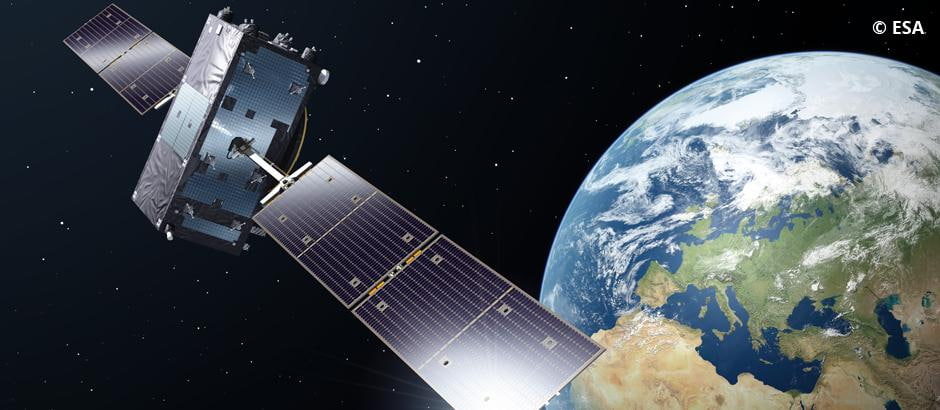
Prague: From a control centre run by the EU Agency for the Space Programme, Europe has quietly claimed a world first that matters far beyond the space sector. Galileo, the bloc’s satellite navigation system, has become the first global navigation network to offer signal authentication as an open service, a feature with the unglamorous name OSNMA, the Open Service Navigation Message Authentication. In plain terms, it lets an ordinary receiver verify that the positioning signal it is using genuinely came from Galileo and has not been faked.

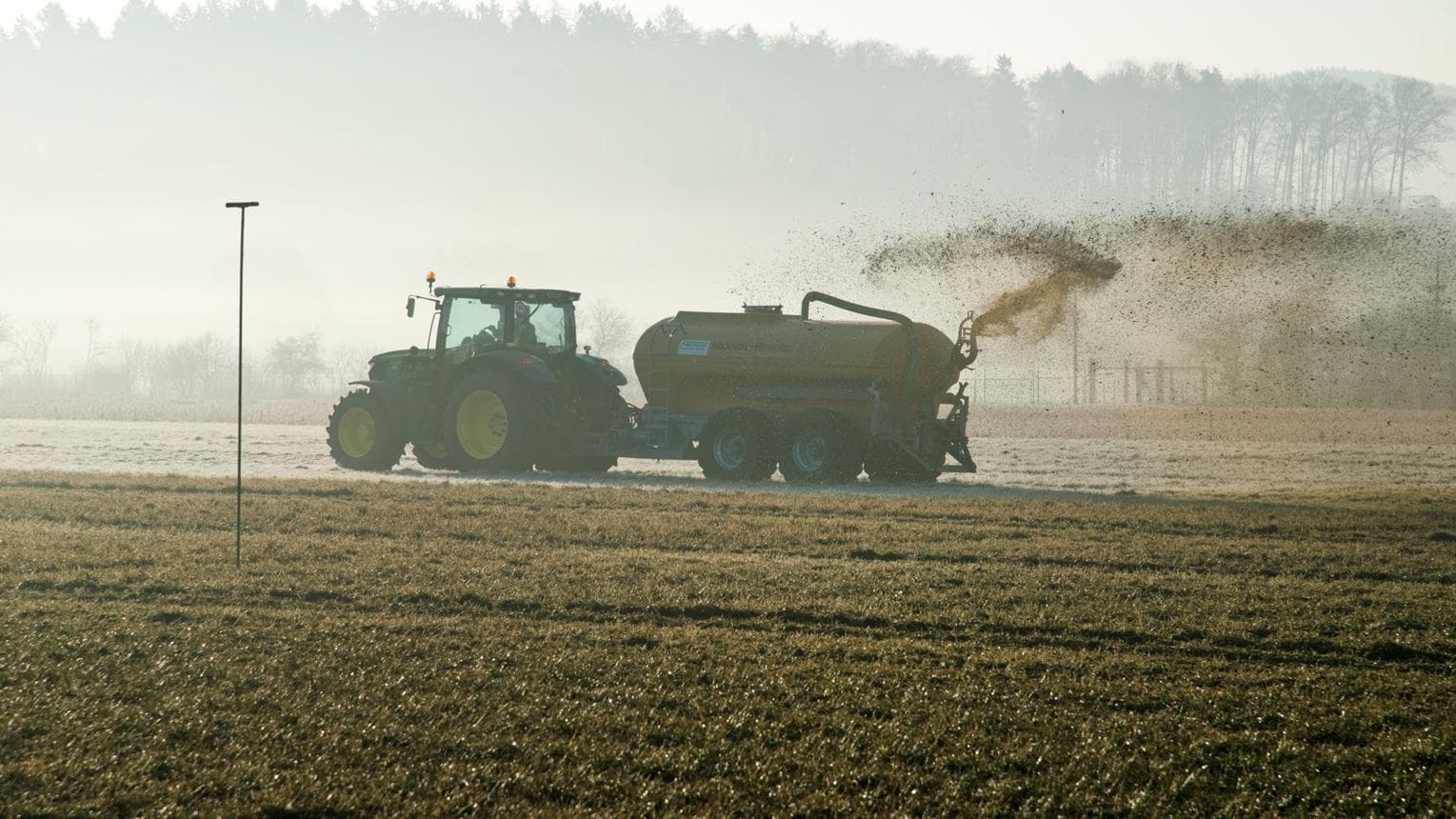
That capability addresses a threat that has moved from theoretical to routine. Satellite navigation underpins far more than car dashboards: it timestamps financial transactions, synchronises electricity grids and mobile networks, guides shipping and aviation, and steers agricultural machinery. All of it depends on faint signals from distant satellites that are trivially easy to overpower. Jamming, which drowns out the signal, has become common near conflict zones and along parts of Europe’s eastern and northern edges. Spoofing is subtler and more dangerous: a counterfeit signal that tricks a receiver into reporting a false position or time without the user realising anything is wrong.

Authentication is the countermeasure. By cryptographically signing parts of the navigation message, Galileo gives receivers a way to reject forged signals, much as a digital signature lets a computer reject a tampered document. It does not stop brute-force jamming, but it closes the more insidious door, and because it runs on the open service rather than an encrypted military channel, civilian users from logistics firms to grid operators can benefit without special clearance.

The agency has been moving the technology out of the laboratory and into operational use, with demonstrations including the Baltic region, an area that has seen persistent interference. Among the early concrete adopters, Romania has signalled that new patrol vessels will rely on Galileo’s authenticated positioning following a Black Sea pilot, a telling choice given how contested navigation signals have become in that maritime theatre. The pattern points to where authenticated positioning is likely to spread first: border forces, coast guards, critical-infrastructure operators and any user for whom a spoofed position is not an inconvenience but a hazard.

The milestone also sharpens the division of labour inside Europe’s space programme. The European Space Agency develops and deploys the hardware, while the Space Programme Agency runs the services and the relationship with users, a split that has not always been frictionless but is producing results. Galileo now serves billions of devices worldwide, and adding a security feature that rivals have not yet matched is a rare instance of a European public system setting a global standard rather than following one.

The harder work is adoption. Authentication only protects users whose receivers and software are updated to check the cryptographic signatures, and much of the installed base of chips was designed before the feature existed. Equipment makers must build it in, and operators of sensitive systems must switch it on. Until that happens at scale, the world first remains partly a promise. But the direction is set, and in a period when the reliability of something as basic as knowing where you are can no longer be assumed, a navigation signal you can actually trust is no small achievement.