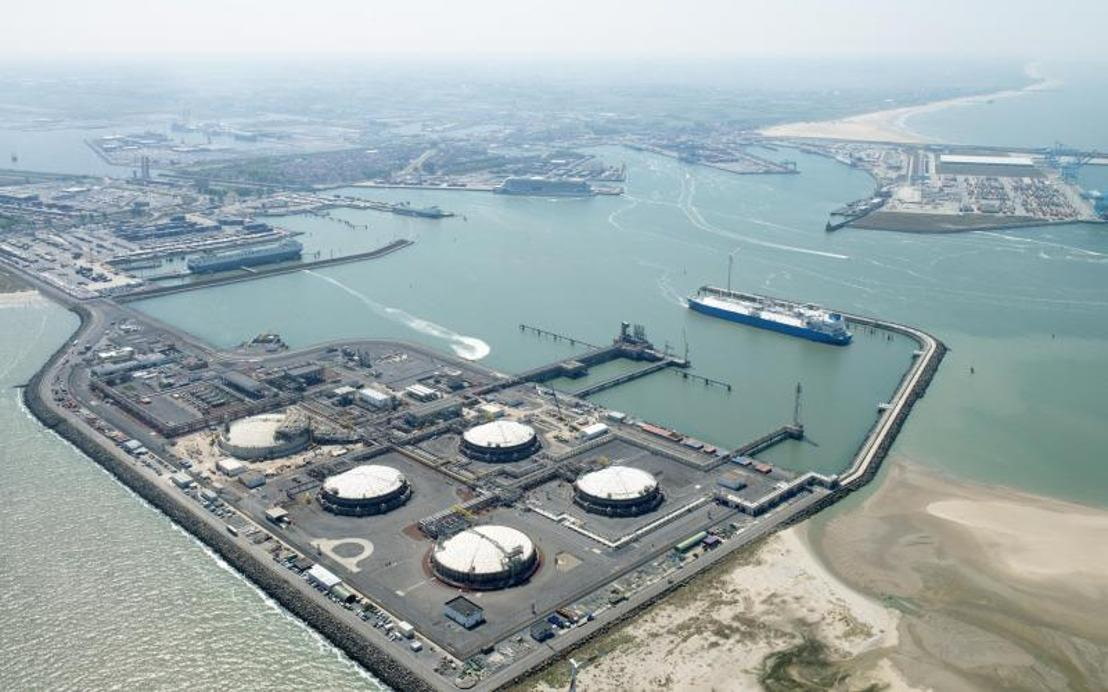
Zeebrugge: At the Belgian port where tankers unload liquefied gas for much of northwest Europe, the annual scramble to build up gas storage before winter has become calmer but not carefree.
For the coming heating season the European Union has eased its rules. Member states must now fill underground storage to 80 percent rather than the earlier 90 percent, and they can hit the mark any time between 1 October and 1 December instead of a single November deadline.
The change, written into a regulation adopted in September 2025, adds further give. Governments may deviate from the target by several percentage points when market conditions turn hostile, and the Commission can widen that flexibility if traders try to exploit the buying spree.
The logic is market management. When every capital rushed to hit a rigid 90 percent by the same date, speculators knew Europe had to buy, and prices climbed accordingly. Spreading the deadline and lowering the bar is meant to blunt that predictable squeeze.
The backdrop remains tense. Europe has replaced most Russian pipeline gas with seaborne liquefied natural gas, which ties the continent to a competitive global market where Asian buyers bid for the same cargoes. Analysts warn that refilling stores this year will lean heavily on those imports.
Critics of the softer target worry it trades security for cost. A store filled to 80 percent leaves a thinner cushion if the winter turns severe or a supply route falters. In a deep cold snap, they argue, the saved euros could look like a false economy.
Defenders counter that rigid mandates were themselves a risk. Forcing purchases regardless of price handed leverage to sellers and drained public money, they say, while modern demand is lower thanks to efficiency, renewables and milder recent winters.
The numbers this summer support caution rather than alarm. Storage across the bloc has been filling, if slowly, and the eased schedule gives operators room to wait for cheaper cargoes rather than chase the market higher. Much still depends on weather and on how much gas Asia pulls in.
Longer term, the debate points past gas altogether. Every euro spent stockpiling fossil fuel is a euro not spent on the grids, heat pumps and renewables meant to make such scrambles obsolete. The storage rules buy time; they do not resolve the dependence beneath them.
For now the ports and pipelines of northwest Europe are doing their seasonal work, and the eased targets mean fewer frantic headlines than in recent years. Whether that calm holds will be settled, as ever, by the temperature and by a global market Europe does not control.