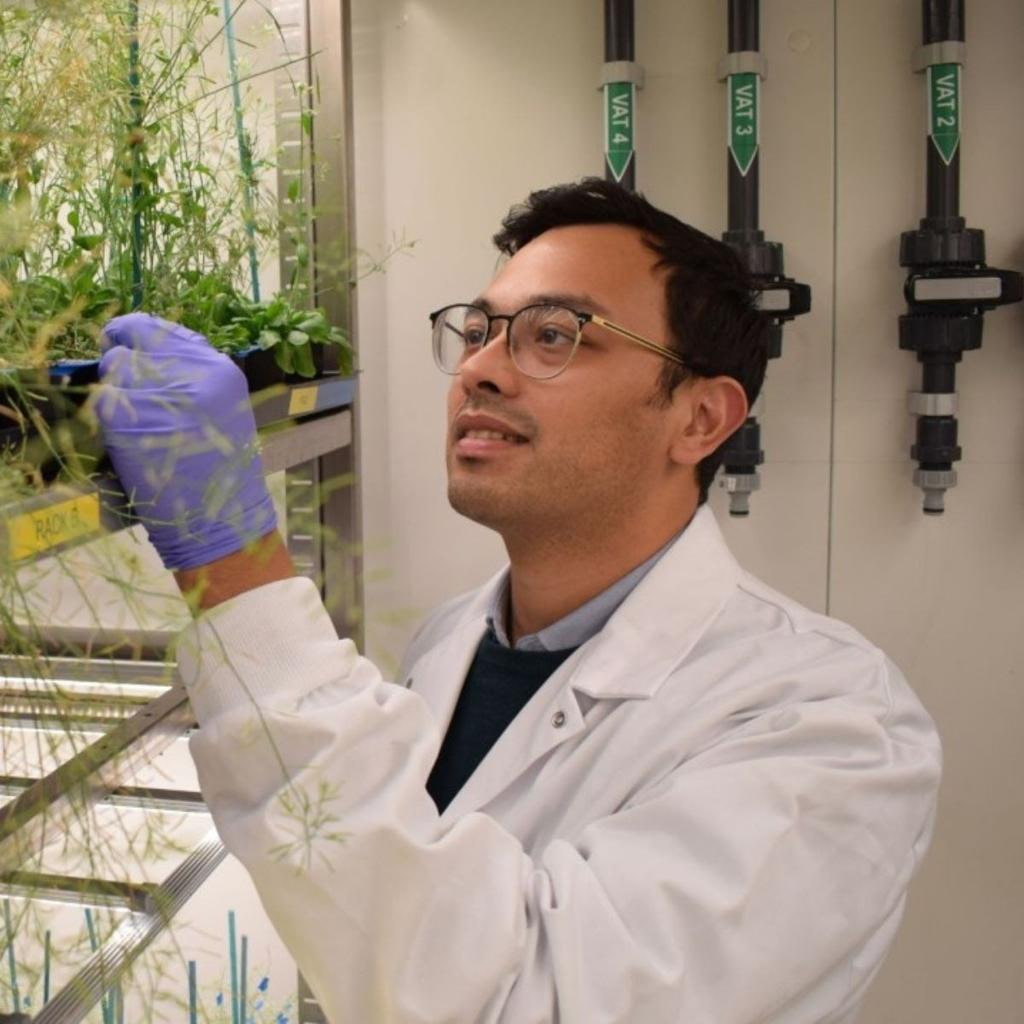
Ghent: In the greenhouses and plant-science labs that dot Flanders, researchers have spent years developing drought-tolerant maize and pathogen-resistant potatoes that could not, until now, easily reach a European field. That constraint is about to loosen. On 17 June the European Parliament gave its final approval to the regulation on new genomic techniques, clearing the file for publication in the Official Journal and ending a legislative saga that began with a Commission proposal in 2023.
The new framework abandons the Union’s long-standing habit of treating every gene-edited plant as a genetically modified organism. Instead it splits the field in two. Plants whose changes could plausibly have arisen through conventional breeding or in nature are placed in a first category and treated much like ordinary varieties: no risk assessment, no product labelling beyond the seed packet, and no scrutiny of their offspring. More heavily engineered plants stay in a second category under the existing GMO regime, with full authorisation, traceability and labelling intact.
The distinction is where the politics lived. Supporters, including much of the seed industry and many plant scientists, argue that a targeted deletion of a few base pairs is indistinguishable from what breeders have achieved for a century with slower methods, and that Europe has been exporting its research talent to more permissive jurisdictions. Critics, ranging from organic farming groups to several Green members, counter that removing labelling denies farmers and consumers the ability to choose, and that patents on gene-edited traits could deepen the dependence of small growers on a handful of large firms. The final text carries concessions to both: herbicide-tolerant plants are excluded from the lighter-touch category, and the organic sector retains its ban on the techniques.
What happens next is less a switch than a slow dial. A two-year implementation period now begins, during which the Commission must draft the secondary legislation and implementing acts that will define how equivalence is verified, how patents are handled, and how national authorities police the boundary between the two categories. The rules are expected to apply from mid-2028, meaning the first commercial gene-edited varieties bred under the new system are still several seasons away.
The stakes reach beyond any single crop. The Union has framed the reform as part of a broader effort to shore up food security and competitiveness against a backdrop of climate stress and volatile input costs, betting that faster breeding of resilient varieties can reduce pesticide use and stabilise yields. Whether that promise materialises will depend on the fine print still being written, and on whether farmers trust a technology many consumers still regard with suspicion. For now, the vote settles the legal question that has hung over Europe’s plant breeders for a decade, even as the harder work of building public confidence has barely begun.