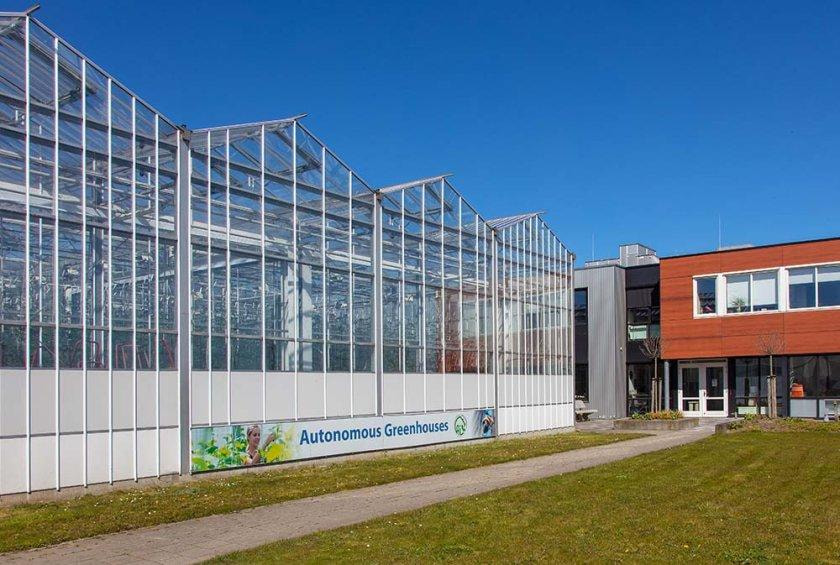
Wageningen: In the greenhouses and trial fields that ring this Dutch university town, plant breeders have spent a decade waiting for Europe to decide what to call the seeds they were already able to make. On 17 June the European Parliament ended that wait, giving final approval to a regulation that carves plants produced through new genomic techniques out of the bloc’s decades-old rules on genetically modified organisms.
The law splits gene-edited plants into two families. So-called NGT-1 varieties, judged to carry only changes that could in principle have arisen through conventional breeding, will follow a light-touch pathway with no GMO-style risk assessment and, crucially, no consumer labelling except on seed packets. Everything else falls into the NGT-2 category and stays inside the existing GMO framework, with full authorisation and traceability. Certain edits are pushed out of the simplified track altogether, including herbicide tolerance and traits that make a plant produce its own insecticidal substances.
Supporters frame the regulation as a competitiveness measure as much as an agricultural one. Europe’s public laboratories and seed companies have complained for years that a 2018 Court of Justice ruling, which swept gene-edited crops into the GMO rulebook, effectively priced them out of a technique that competitors in the Americas and Asia deploy freely. Proponents argue that varieties bred to resist drought, blight or heat could help farmers cut pesticide use and cope with a warming climate, and that a proportionate approval track finally lets that work leave the greenhouse.
The compromise did not arrive cleanly. The trilogue deal was signed in December, the Council formally adopted its position in April, and the Parliament’s environment committee waved the text through in January by a bruised 47-31 margin before this month’s plenary vote. Organic farming groups and several environmental organisations remain opposed, warning that the absence of labelling on NGT-1 food deprives shoppers of a choice and that coexistence rules will struggle to keep edited and organic supply chains apart. Patent questions, largely deferred to a later Commission study, still hang over the file.
Why it matters is straightforward: the regulation rewrites the terms on which a fast-moving technology reaches European fields and dinner tables, and it does so by loosening rules that critics of GMOs fought to build. Whether it delivers the promised harvest depends on what happens next. A two-year implementation window now opens, during which the Commission must draft the secondary legislation and verification methods that will decide, in practice, which plants qualify as NGT-1 and how member states police the boundary. National authorities, seed certifiers and the organic sector will all be watching those technical acts more closely than the headline vote.
For breeders in Wageningen and their counterparts across the continent, the political question is settled and the administrative one is only beginning. The first commercial gene-edited varieties are unlikely to reach growers before the rulebook’s fine print is written, tested and, in all probability, contested in court.