August 9, 2026
LATEST
New EU Gas Market Rules Take Effect With Consumer SafeguardsDeforestation Regulation Holds Its December Deadline Despite CutsDigital Omnibus Delays Europe’s High-Risk AI Deadline to 2027Europe’s Schools Confront a Widening Basic Skills GapRule of Law Report Finds Progress but Trust Still LagsIRIS2 Gains 66 Satellites as Brussels Signs the Rollout DealNature Restoration Plans Come Due as Member States Race a DeadlineECB Rates Hold at 2.25 Percent as Frankfurt Waits on the DataEU Budget Talks Turn to Cohesion as Ireland Takes OverWildfire Response Stretches Europe’s Emergency Fleet ThinCan Europe’s Quantum Plan Match Its Big Ambitions?Armenia Edges West as Moscow’s Grip Slips AwayEurope Inherits the World’s Aid Bill It Cannot Fully PayAir Passenger Rights Get Their First Overhaul in Two DecadesErasmus Opens a 5 Billion Euro Round for Skills and MobilityCeuta Crisis Pushes the EU Toward Faster Migrant ReturnsBulky Parcels Face a Packaging Crackdown From August 12Can Europe Build Its Drone Wall Before 2030 Arrives?Indonesia’s Trade Deal With Europe Nears Its Final SignatureEurope Leans on Beijing to Keep Climate Talks Alive Before AntalyaNew EU Gas Market Rules Take Effect With Consumer SafeguardsDeforestation Regulation Holds Its December Deadline Despite CutsDigital Omnibus Delays Europe’s High-Risk AI Deadline to 2027Europe’s Schools Confront a Widening Basic Skills GapRule of Law Report Finds Progress but Trust Still LagsIRIS2 Gains 66 Satellites as Brussels Signs the Rollout DealNature Restoration Plans Come Due as Member States Race a DeadlineECB Rates Hold at 2.25 Percent as Frankfurt Waits on the DataEU Budget Talks Turn to Cohesion as Ireland Takes OverWildfire Response Stretches Europe’s Emergency Fleet ThinCan Europe’s Quantum Plan Match Its Big Ambitions?Armenia Edges West as Moscow’s Grip Slips AwayEurope Inherits the World’s Aid Bill It Cannot Fully PayAir Passenger Rights Get Their First Overhaul in Two DecadesErasmus Opens a 5 Billion Euro Round for Skills and MobilityCeuta Crisis Pushes the EU Toward Faster Migrant ReturnsBulky Parcels Face a Packaging Crackdown From August 12Can Europe Build Its Drone Wall Before 2030 Arrives?Indonesia’s Trade Deal With Europe Nears Its Final SignatureEurope Leans on Beijing to Keep Climate Talks Alive Before Antalya
August 9, 2026
LATEST
New EU Gas Market Rules Take Effect With Consumer SafeguardsDeforestation Regulation Holds Its December Deadline Despite CutsDigital Omnibus Delays Europe’s High-Risk AI Deadline to 2027Europe’s Schools Confront a Widening Basic Skills GapRule of Law Report Finds Progress but Trust Still LagsIRIS2 Gains 66 Satellites as Brussels Signs the Rollout DealNature Restoration Plans Come Due as Member States Race a DeadlineECB Rates Hold at 2.25 Percent as Frankfurt Waits on the DataEU Budget Talks Turn to Cohesion as Ireland Takes OverWildfire Response Stretches Europe’s Emergency Fleet ThinCan Europe’s Quantum Plan Match Its Big Ambitions?Armenia Edges West as Moscow’s Grip Slips AwayEurope Inherits the World’s Aid Bill It Cannot Fully PayAir Passenger Rights Get Their First Overhaul in Two DecadesErasmus Opens a 5 Billion Euro Round for Skills and MobilityCeuta Crisis Pushes the EU Toward Faster Migrant ReturnsBulky Parcels Face a Packaging Crackdown From August 12Can Europe Build Its Drone Wall Before 2030 Arrives?Indonesia’s Trade Deal With Europe Nears Its Final SignatureEurope Leans on Beijing to Keep Climate Talks Alive Before AntalyaNew EU Gas Market Rules Take Effect With Consumer SafeguardsDeforestation Regulation Holds Its December Deadline Despite CutsDigital Omnibus Delays Europe’s High-Risk AI Deadline to 2027Europe’s Schools Confront a Widening Basic Skills GapRule of Law Report Finds Progress but Trust Still LagsIRIS2 Gains 66 Satellites as Brussels Signs the Rollout DealNature Restoration Plans Come Due as Member States Race a DeadlineECB Rates Hold at 2.25 Percent as Frankfurt Waits on the DataEU Budget Talks Turn to Cohesion as Ireland Takes OverWildfire Response Stretches Europe’s Emergency Fleet ThinCan Europe’s Quantum Plan Match Its Big Ambitions?Armenia Edges West as Moscow’s Grip Slips AwayEurope Inherits the World’s Aid Bill It Cannot Fully PayAir Passenger Rights Get Their First Overhaul in Two DecadesErasmus Opens a 5 Billion Euro Round for Skills and MobilityCeuta Crisis Pushes the EU Toward Faster Migrant ReturnsBulky Parcels Face a Packaging Crackdown From August 12Can Europe Build Its Drone Wall Before 2030 Arrives?Indonesia’s Trade Deal With Europe Nears Its Final SignatureEurope Leans on Beijing to Keep Climate Talks Alive Before Antalya

Generators and Shelters Head to Ukraine as Winter Aid Expands

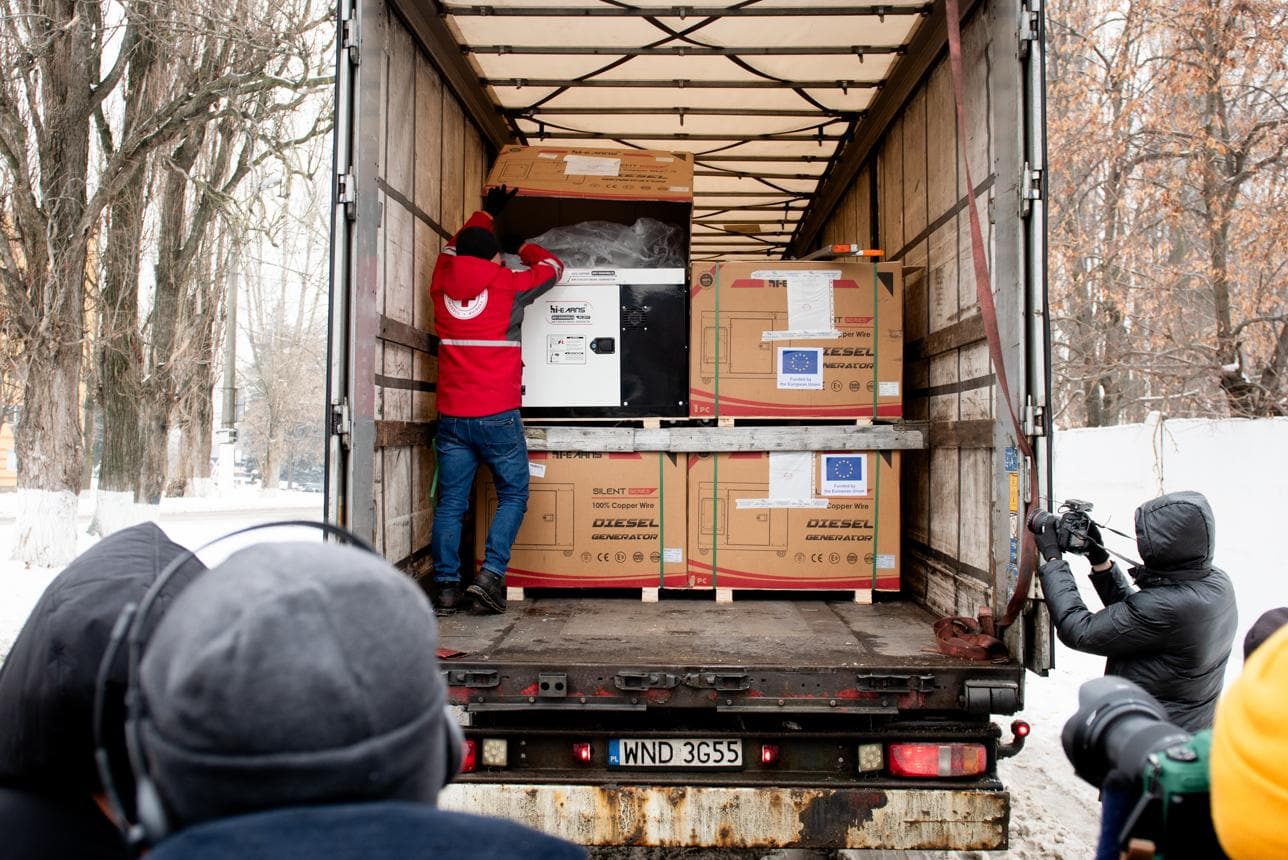
Lviv: As a fourth war winter approaches, the European Union is leaning on its civil protection machinery to keep Ukrainian homes lit and heated, committing fresh money for generators and emergency supplies through the rescEU reserve.

The latest package sets aside 25 million euros for rescEU to deploy additional generators to Ukraine, alongside 75 million euros in broader humanitarian funding. The aim is blunt and practical, to soften the effect of renewed strikes on power stations and heating networks that leave civilians exposed when temperatures fall.

rescEU forms the strategic reserve at the centre of the Union’s Civil Protection Mechanism, a stockpile of equipment and shelters that member states hold on behalf of the whole bloc for use in disasters. Since the full-scale invasion began, it has become a workhorse for delivering aid eastward, and officials say more than 160,000 tonnes of assistance have now moved through EU channels into Ukraine.

The generators matter because Russian targeting of the electricity grid has turned heat and light into weapons of attrition. A hospital without power cannot run ventilators; an apartment block without heat becomes uninhabitable in January. By pre-positioning generators before the cold sets in, planners hope to shorten the gap between a strike and a restored supply.

The money forms part of a much larger commitment. The Union’s humanitarian budget for this year totals 1.9 billion euros, spread across crises from Sub-Saharan Africa to the Middle East, with a dedicated slice for Ukraine and its neighbours. Lawmakers added extra funds for the Civil Protection Mechanism during budget talks, arguing that the bloc’s capacity to respond to disasters has not kept pace with the frequency of emergencies.

That argument extends well beyond the war. The same reserve that ships generators to Ukraine also supplies firefighting aircraft during Mediterranean wildfire seasons and medical stockpiles during health crises. Each deployment draws down capacity that planners must then replenish, and officials warn that demand is rising on several fronts at once.

Aid organisations working inside Ukraine welcome the predictability that pre-committed funding brings, since it lets them plan deliveries rather than scramble after each new strike. They caution, however, that generators treat the symptom rather than the cause, and that lasting relief depends on repairing and defending the grid itself, a task far beyond the reach of any emergency reserve.

For Brussels, the commitment signals that support for Ukraine remains woven into the Union’s everyday crisis machinery rather than treated as a one-off gesture. As winter closes in, the test will be whether the equipment reaches the towns that need it before the first sustained freeze, and whether the reserve can carry that load while standing ready for the next disaster elsewhere.