Aachen: Near the point where Germany, Belgium and the Netherlands meet, high-voltage lines already carry current across borders that electrons ignore. The European Union wants many more of them, and this month it explained how. On 17 July the European Commission unveiled a plan to turn the bloc into what it calls the world’s first electro-continent, with a sweeping grids package at its heart.
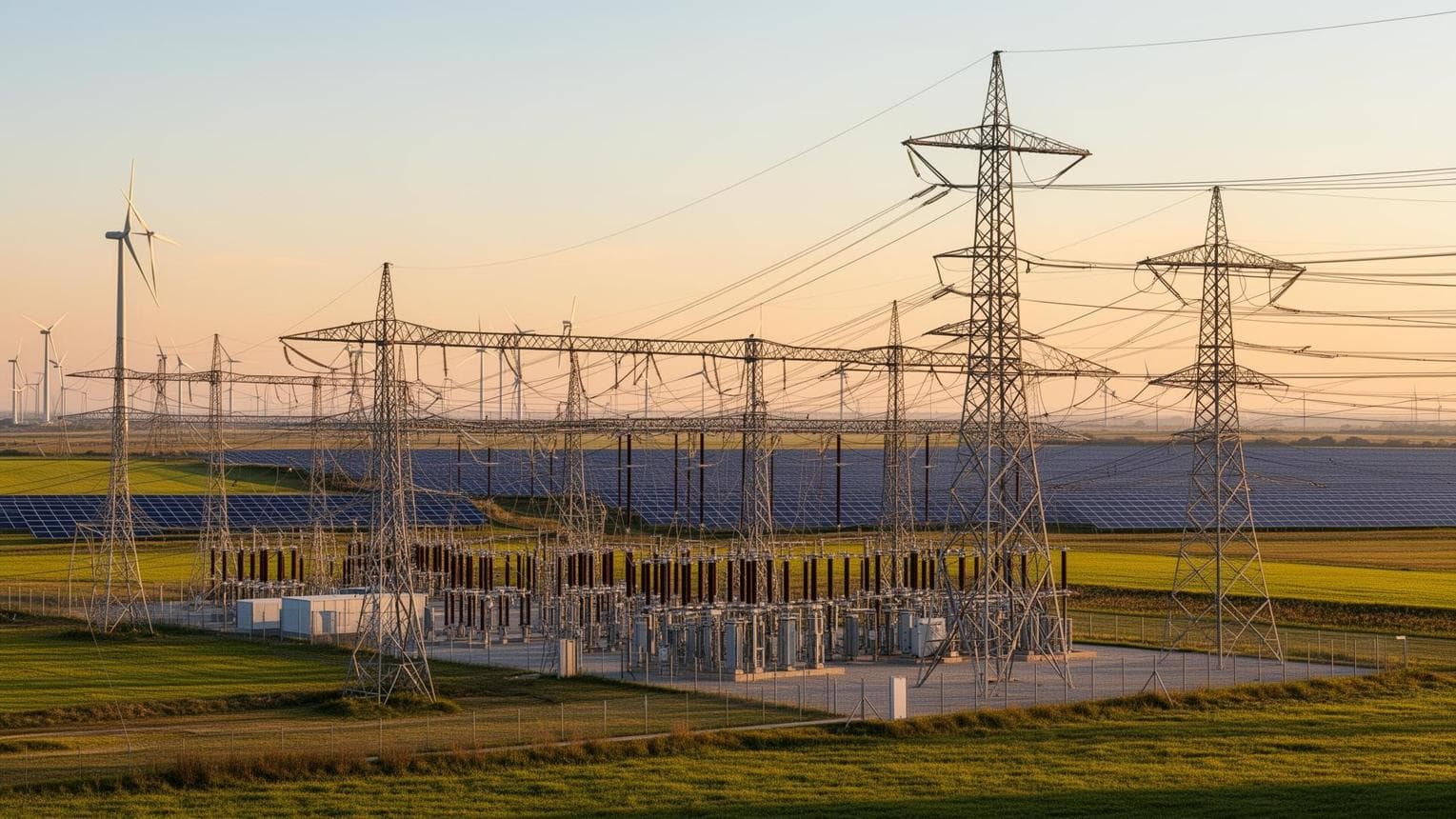
The grids package attacks a stubborn problem. Europe generates ever more wind and solar power, yet its web of cables, transformers and cross-border links has not kept pace. When the network cannot move electricity from where the wind blows to where factories run, cheap power goes to waste and bills stay high. The Commission wants to close that gap by speeding permits, financing new lines and binding national systems more tightly together.
The plan builds on political groundwork laid earlier in the summer. On 26 June energy ministers backed a modernised energy network for the green transition, clearing the way for the Council to bargain with the European Parliament once lawmakers fix their own position. Officials under the Irish presidency hope to seal a final deal late this year or early in 2027.
Households and industry stand to feel the effects directly. The package would let member states cut network charges for certain consumers and ease costs for energy-hungry businesses, a response to the complaint that European firms pay far more for power than rivals in the United States or China. Cheaper, steadier electricity has become a competitiveness question as much as a climate one.
Security runs through the plan as well. A string of incidents around Europe’s pipelines and cables has taught governments that infrastructure can be a target, and the package calls for grids that resist both physical attack and cyber intrusion. Building resilience into new lines from the start, planners argue, costs less than bolting it on later.
Interconnection sits at the centre of the ambition. Many national grids still behave like islands, unable to share surplus power when a neighbour runs short. Stronger links would let a windy day in the north relieve a still evening in the south, cutting the need for costly backup plants and smoothing the swings that renewables bring.
The hard part is building fast enough. Permitting a cross-border line can take a decade, and local opposition often slows even projects everyone claims to want. The Commission’s plan leans on quicker approvals and shared financing to break the logjam, but success depends on national capitals following through. Until the lines rise, Europe’s clean-power ambitions will keep outrunning the wires meant to carry them.