August 9, 2026
LATEST
New EU Gas Market Rules Take Effect With Consumer SafeguardsDeforestation Regulation Holds Its December Deadline Despite CutsDigital Omnibus Delays Europe’s High-Risk AI Deadline to 2027Europe’s Schools Confront a Widening Basic Skills GapRule of Law Report Finds Progress but Trust Still LagsIRIS2 Gains 66 Satellites as Brussels Signs the Rollout DealNature Restoration Plans Come Due as Member States Race a DeadlineECB Rates Hold at 2.25 Percent as Frankfurt Waits on the DataEU Budget Talks Turn to Cohesion as Ireland Takes OverWildfire Response Stretches Europe’s Emergency Fleet ThinCan Europe’s Quantum Plan Match Its Big Ambitions?Armenia Edges West as Moscow’s Grip Slips AwayEurope Inherits the World’s Aid Bill It Cannot Fully PayAir Passenger Rights Get Their First Overhaul in Two DecadesErasmus Opens a 5 Billion Euro Round for Skills and MobilityCeuta Crisis Pushes the EU Toward Faster Migrant ReturnsBulky Parcels Face a Packaging Crackdown From August 12Can Europe Build Its Drone Wall Before 2030 Arrives?Indonesia’s Trade Deal With Europe Nears Its Final SignatureEurope Leans on Beijing to Keep Climate Talks Alive Before AntalyaNew EU Gas Market Rules Take Effect With Consumer SafeguardsDeforestation Regulation Holds Its December Deadline Despite CutsDigital Omnibus Delays Europe’s High-Risk AI Deadline to 2027Europe’s Schools Confront a Widening Basic Skills GapRule of Law Report Finds Progress but Trust Still LagsIRIS2 Gains 66 Satellites as Brussels Signs the Rollout DealNature Restoration Plans Come Due as Member States Race a DeadlineECB Rates Hold at 2.25 Percent as Frankfurt Waits on the DataEU Budget Talks Turn to Cohesion as Ireland Takes OverWildfire Response Stretches Europe’s Emergency Fleet ThinCan Europe’s Quantum Plan Match Its Big Ambitions?Armenia Edges West as Moscow’s Grip Slips AwayEurope Inherits the World’s Aid Bill It Cannot Fully PayAir Passenger Rights Get Their First Overhaul in Two DecadesErasmus Opens a 5 Billion Euro Round for Skills and MobilityCeuta Crisis Pushes the EU Toward Faster Migrant ReturnsBulky Parcels Face a Packaging Crackdown From August 12Can Europe Build Its Drone Wall Before 2030 Arrives?Indonesia’s Trade Deal With Europe Nears Its Final SignatureEurope Leans on Beijing to Keep Climate Talks Alive Before Antalya
August 9, 2026
LATEST
New EU Gas Market Rules Take Effect With Consumer SafeguardsDeforestation Regulation Holds Its December Deadline Despite CutsDigital Omnibus Delays Europe’s High-Risk AI Deadline to 2027Europe’s Schools Confront a Widening Basic Skills GapRule of Law Report Finds Progress but Trust Still LagsIRIS2 Gains 66 Satellites as Brussels Signs the Rollout DealNature Restoration Plans Come Due as Member States Race a DeadlineECB Rates Hold at 2.25 Percent as Frankfurt Waits on the DataEU Budget Talks Turn to Cohesion as Ireland Takes OverWildfire Response Stretches Europe’s Emergency Fleet ThinCan Europe’s Quantum Plan Match Its Big Ambitions?Armenia Edges West as Moscow’s Grip Slips AwayEurope Inherits the World’s Aid Bill It Cannot Fully PayAir Passenger Rights Get Their First Overhaul in Two DecadesErasmus Opens a 5 Billion Euro Round for Skills and MobilityCeuta Crisis Pushes the EU Toward Faster Migrant ReturnsBulky Parcels Face a Packaging Crackdown From August 12Can Europe Build Its Drone Wall Before 2030 Arrives?Indonesia’s Trade Deal With Europe Nears Its Final SignatureEurope Leans on Beijing to Keep Climate Talks Alive Before AntalyaNew EU Gas Market Rules Take Effect With Consumer SafeguardsDeforestation Regulation Holds Its December Deadline Despite CutsDigital Omnibus Delays Europe’s High-Risk AI Deadline to 2027Europe’s Schools Confront a Widening Basic Skills GapRule of Law Report Finds Progress but Trust Still LagsIRIS2 Gains 66 Satellites as Brussels Signs the Rollout DealNature Restoration Plans Come Due as Member States Race a DeadlineECB Rates Hold at 2.25 Percent as Frankfurt Waits on the DataEU Budget Talks Turn to Cohesion as Ireland Takes OverWildfire Response Stretches Europe’s Emergency Fleet ThinCan Europe’s Quantum Plan Match Its Big Ambitions?Armenia Edges West as Moscow’s Grip Slips AwayEurope Inherits the World’s Aid Bill It Cannot Fully PayAir Passenger Rights Get Their First Overhaul in Two DecadesErasmus Opens a 5 Billion Euro Round for Skills and MobilityCeuta Crisis Pushes the EU Toward Faster Migrant ReturnsBulky Parcels Face a Packaging Crackdown From August 12Can Europe Build Its Drone Wall Before 2030 Arrives?Indonesia’s Trade Deal With Europe Nears Its Final SignatureEurope Leans on Beijing to Keep Climate Talks Alive Before Antalya

Hansen vision tries to win back young farmers after the protests

Strasbourg: A year after launching the Vision for Agriculture and Food, the European Commission has begun translating its 2040 roadmap into operational measures. The Vision, presented by Agriculture Commissioner Christophe Hansen in February 2025, recalibrates EU food policy toward farmer income, generational renewal and competitiveness — a deliberate shift away from the previous emphasis on accelerated food system transformation that contributed to the wave of farmer protests across the bloc in 2024.

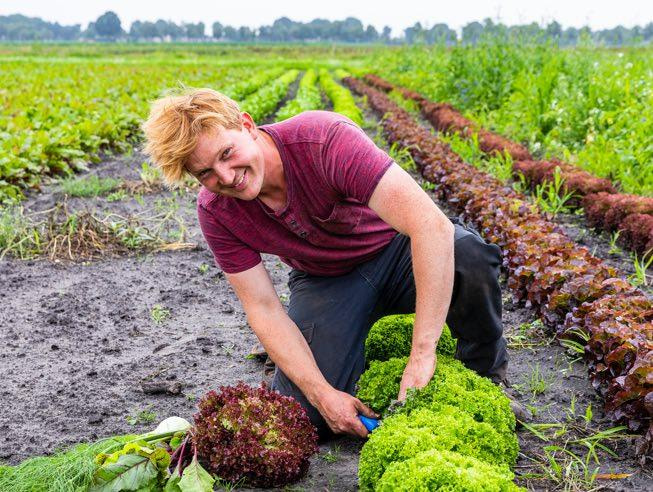
The most consequential operational follow-up is the generational renewal strategy introduced in October 2025, which aims to make farming an attractive career for younger Europeans by combining direct income support with succession planning, land access tools and tailored advisory services. The Commission’s data show that fewer than 12 per cent of EU farm holdings are operated by farmers under 40, a demographic structure that several Member States consider unsustainable. The Women in Farming platform, launched in March 2026, complements the renewal strategy by addressing structural barriers to women’s participation in agricultural ownership and management.

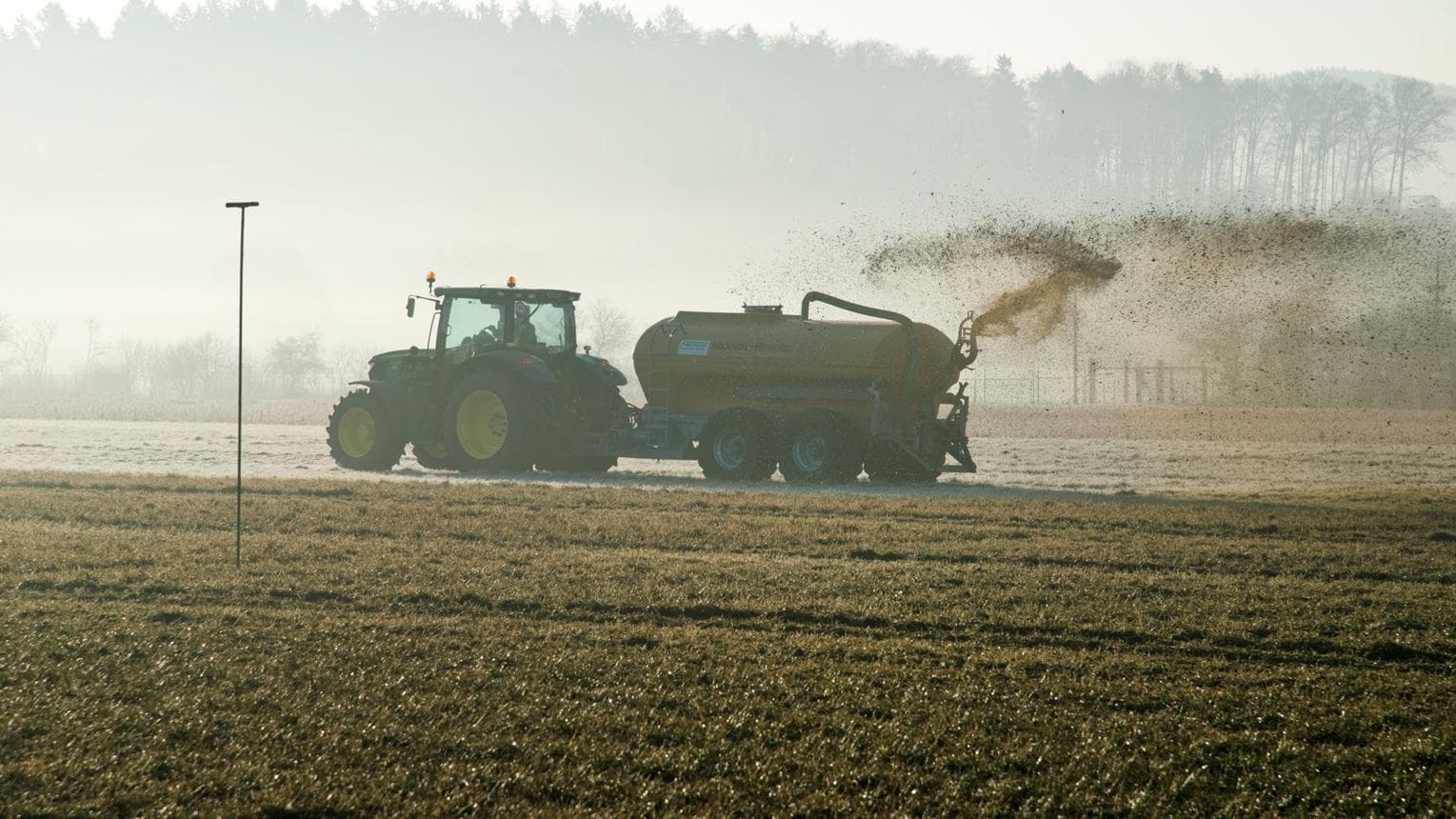
A comprehensive simplification package for the existing legislative framework was proposed in December 2025, reducing reporting requirements and harmonising procedures across cross-compliance, eco-schemes and rural development instruments. The package responds directly to farmer demands for less administrative burden, although critics within the European Parliament’s environment committee have warned that simplification must not become a vehicle for diluting environmental conditionality. New guidance for sustainable farming under the CAP 2028 to 2034 was issued on 28 April 2026, sharpening the technical parameters that Member States will apply when designing their CAP strategic plans for the next programming period.

The Commission tabled two CAP-related proposals on 16 July 2025 as part of the new Multiannual Financial Framework package. The first regulation establishes the conditions for Union support under the Common Agricultural Policy for 2028 to 2034. The second amends the Common Market Organisation rules to cover the EU school scheme, sectoral interventions, protein crop development, hemp requirements, marketing standards, import duties, crisis supply rules and securities. Both files now sit in the legislative train of the Parliament and Council.

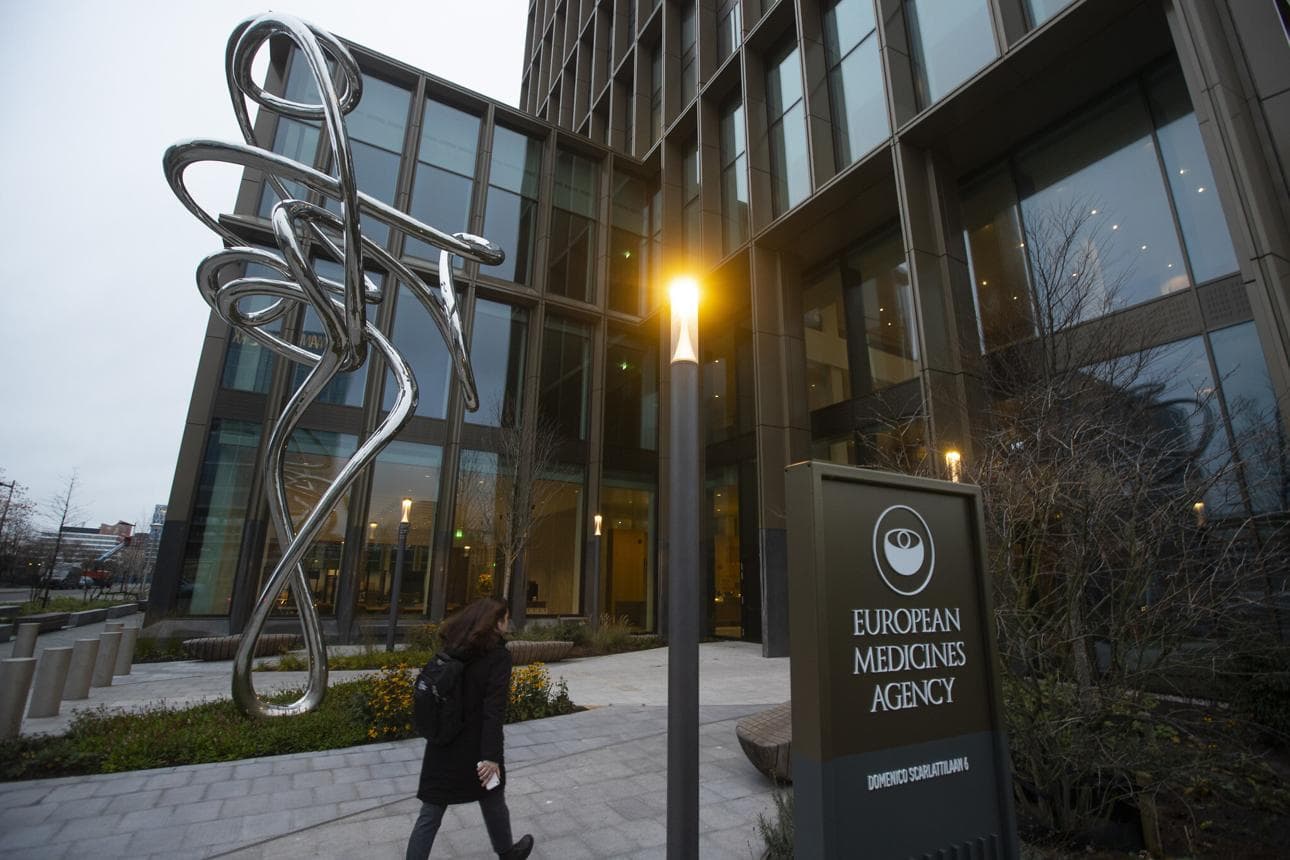
For 2026, the Commission allocated a record 205 million euros to co-fund promotion activities for sustainable and high-quality EU agri-food products inside and outside the bloc. Of this envelope, 160 million euros will be disbursed in grants to producer groups and trade bodies, split between EU internal market promotion at 79.7 million euros and third-country promotion at 70.3 million euros. A reserve of 10 million euros is held for crisis response. The European Research Executive Agency opened calls for simple and multi programmes on 22 January 2026.

The Commission has been candid about the geopolitical context. The Vision’s external dimension prioritises diversification of trade relations and the development of new export markets while aligning standards for imported products to prevent regulatory disadvantage for EU producers. Food security and sovereignty are now framed as strategic policy objectives, a reformulation that critics describe as a retreat from the Farm to Fork transformation agenda and that supporters describe as a long-overdue recognition of geopolitical realities.

The Commission allocated 21.5 million euros in emergency support on 30 March 2026 to farmers in Bulgaria, Estonia and Hungary facing exceptional climate-related disruptions. A World Bank study published on 25 March provided analysis and recommendations for enhancing agricultural risk management in the EU. The European Food Security Crisis preparedness and response Mechanism convened its seventh ad hoc meeting on 30 April, focusing on public-private collaboration on stockpiling.

At the Council level, the Cyprus Presidency placed agriculture and fisheries at the top of the first-half 2026 agenda. Council conclusions on the updated EU Bioeconomy Strategy, issued in late 2025, drew broad support for its rural development implications, with several ministers stressing the importance of not compromising food security and of harmonising procedures. The proposal to amend the Organic Farming Regulation is on track to enter into force before the end of 2026 to preserve legal certainty in trade with third countries, particularly given the geopolitical headwinds facing the Union’s agriculture.