August 9, 2026
LATEST
New EU Gas Market Rules Take Effect With Consumer SafeguardsDeforestation Regulation Holds Its December Deadline Despite CutsDigital Omnibus Delays Europe’s High-Risk AI Deadline to 2027Europe’s Schools Confront a Widening Basic Skills GapRule of Law Report Finds Progress but Trust Still LagsIRIS2 Gains 66 Satellites as Brussels Signs the Rollout DealNature Restoration Plans Come Due as Member States Race a DeadlineECB Rates Hold at 2.25 Percent as Frankfurt Waits on the DataEU Budget Talks Turn to Cohesion as Ireland Takes OverWildfire Response Stretches Europe’s Emergency Fleet ThinCan Europe’s Quantum Plan Match Its Big Ambitions?Armenia Edges West as Moscow’s Grip Slips AwayEurope Inherits the World’s Aid Bill It Cannot Fully PayAir Passenger Rights Get Their First Overhaul in Two DecadesErasmus Opens a 5 Billion Euro Round for Skills and MobilityCeuta Crisis Pushes the EU Toward Faster Migrant ReturnsBulky Parcels Face a Packaging Crackdown From August 12Can Europe Build Its Drone Wall Before 2030 Arrives?Indonesia’s Trade Deal With Europe Nears Its Final SignatureEurope Leans on Beijing to Keep Climate Talks Alive Before AntalyaNew EU Gas Market Rules Take Effect With Consumer SafeguardsDeforestation Regulation Holds Its December Deadline Despite CutsDigital Omnibus Delays Europe’s High-Risk AI Deadline to 2027Europe’s Schools Confront a Widening Basic Skills GapRule of Law Report Finds Progress but Trust Still LagsIRIS2 Gains 66 Satellites as Brussels Signs the Rollout DealNature Restoration Plans Come Due as Member States Race a DeadlineECB Rates Hold at 2.25 Percent as Frankfurt Waits on the DataEU Budget Talks Turn to Cohesion as Ireland Takes OverWildfire Response Stretches Europe’s Emergency Fleet ThinCan Europe’s Quantum Plan Match Its Big Ambitions?Armenia Edges West as Moscow’s Grip Slips AwayEurope Inherits the World’s Aid Bill It Cannot Fully PayAir Passenger Rights Get Their First Overhaul in Two DecadesErasmus Opens a 5 Billion Euro Round for Skills and MobilityCeuta Crisis Pushes the EU Toward Faster Migrant ReturnsBulky Parcels Face a Packaging Crackdown From August 12Can Europe Build Its Drone Wall Before 2030 Arrives?Indonesia’s Trade Deal With Europe Nears Its Final SignatureEurope Leans on Beijing to Keep Climate Talks Alive Before Antalya
August 9, 2026
LATEST
New EU Gas Market Rules Take Effect With Consumer SafeguardsDeforestation Regulation Holds Its December Deadline Despite CutsDigital Omnibus Delays Europe’s High-Risk AI Deadline to 2027Europe’s Schools Confront a Widening Basic Skills GapRule of Law Report Finds Progress but Trust Still LagsIRIS2 Gains 66 Satellites as Brussels Signs the Rollout DealNature Restoration Plans Come Due as Member States Race a DeadlineECB Rates Hold at 2.25 Percent as Frankfurt Waits on the DataEU Budget Talks Turn to Cohesion as Ireland Takes OverWildfire Response Stretches Europe’s Emergency Fleet ThinCan Europe’s Quantum Plan Match Its Big Ambitions?Armenia Edges West as Moscow’s Grip Slips AwayEurope Inherits the World’s Aid Bill It Cannot Fully PayAir Passenger Rights Get Their First Overhaul in Two DecadesErasmus Opens a 5 Billion Euro Round for Skills and MobilityCeuta Crisis Pushes the EU Toward Faster Migrant ReturnsBulky Parcels Face a Packaging Crackdown From August 12Can Europe Build Its Drone Wall Before 2030 Arrives?Indonesia’s Trade Deal With Europe Nears Its Final SignatureEurope Leans on Beijing to Keep Climate Talks Alive Before AntalyaNew EU Gas Market Rules Take Effect With Consumer SafeguardsDeforestation Regulation Holds Its December Deadline Despite CutsDigital Omnibus Delays Europe’s High-Risk AI Deadline to 2027Europe’s Schools Confront a Widening Basic Skills GapRule of Law Report Finds Progress but Trust Still LagsIRIS2 Gains 66 Satellites as Brussels Signs the Rollout DealNature Restoration Plans Come Due as Member States Race a DeadlineECB Rates Hold at 2.25 Percent as Frankfurt Waits on the DataEU Budget Talks Turn to Cohesion as Ireland Takes OverWildfire Response Stretches Europe’s Emergency Fleet ThinCan Europe’s Quantum Plan Match Its Big Ambitions?Armenia Edges West as Moscow’s Grip Slips AwayEurope Inherits the World’s Aid Bill It Cannot Fully PayAir Passenger Rights Get Their First Overhaul in Two DecadesErasmus Opens a 5 Billion Euro Round for Skills and MobilityCeuta Crisis Pushes the EU Toward Faster Migrant ReturnsBulky Parcels Face a Packaging Crackdown From August 12Can Europe Build Its Drone Wall Before 2030 Arrives?Indonesia’s Trade Deal With Europe Nears Its Final SignatureEurope Leans on Beijing to Keep Climate Talks Alive Before Antalya

How OLAF Is Dragging Europe’s Anti-Fraud Fight Into the Data Age

Nicosia: The European Anti-Fraud Office spends most of its life out of sight, sifting invoices and shipping manifests for the small discrepancies that betray a scam against the Union budget. This month the office gave that quiet work a more public framing, using a meeting with Cypriot authorities to set out how it intends to drag fraud detection into the data age. The argument is simple. Criminals who siphon EU money now move it through digital channels, layered companies and falsified electronic records, and an investigator armed with paper files and good instincts can no longer keep pace.

The numbers behind the push are not trivial. In its most recent annual report, OLAF recommended the recovery of close to 600 million euro misused across cohesion funds, agricultural subsidies and customs revenue. It closed 209 investigations over the year while opening 254 new ones, a caseload that has crept upward as the Union has disbursed unprecedented sums through its pandemic recovery instrument. Each open file represents money that was meant for a bridge, a research lab or a struggling farm and instead vanished into a fraudster’s accounts.

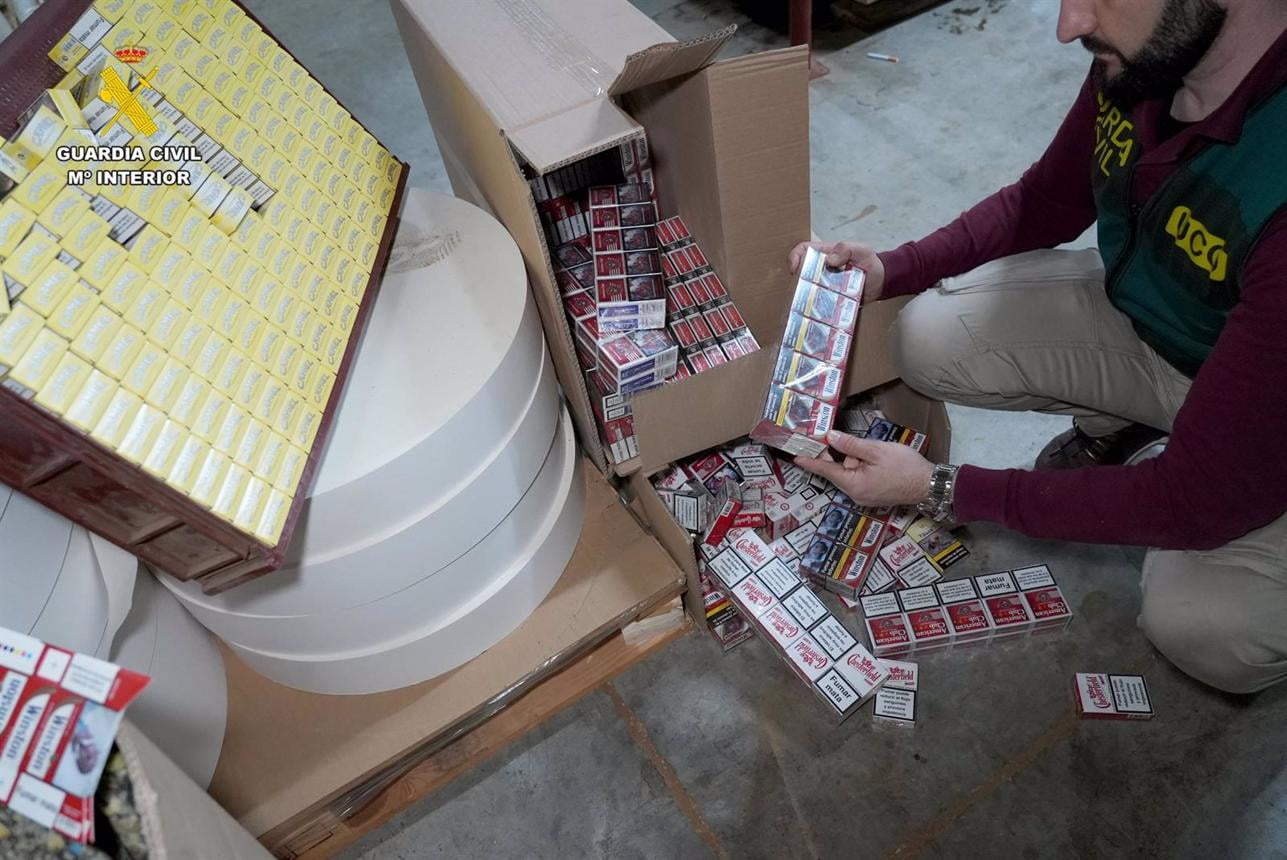
What is changing is the method. The office is investing in intelligence analysis tools that cross-reference customs declarations, corporate ownership registers and payment flows to flag suspicious patterns before the money is gone rather than after. Recent operations show the logic at work. Investigators helped Portuguese authorities dismantle a trade in counterfeit truck parts, and coordinated an international inquiry into the suspected circumvention of sanctions involving hundreds of transport vehicles. Both cases turned on the ability to connect records held in different countries quickly enough to act.

The shift is not only technological. OLAF has no power to prosecute; it recommends, and national authorities or the European Public Prosecutor’s Office decide whether to follow through. Digital evidence is only as useful as the willingness of member states to accept it and the courts to admit it, which is why the office keeps returning to capitals to align expectations. Cyprus, a small economy with an outsized financial-services sector, is exactly the kind of partner where data-sharing habits matter.

Critics will note the familiar tension. More data means more surveillance of legitimate businesses, and the office must show that its algorithms narrow suspicion rather than cast it indiscriminately. There is also the awkward fact that recovering money requires member states to chase it, and recovery rates have long lagged the sums OLAF identifies. A slicker detection engine does little if the back end stays sluggish.

Still, the direction is the right one. Fraud against the Union budget is ultimately fraud against taxpayers in every member state, and the tools used to catch it should at least match those used to commit it. Whether the political will to recover the proceeds keeps up with the technology is the question that will define the next few years.