Brussels: The European Union added 22.5 million euros of humanitarian aid for Yemen on 23 October 2026, responding to renewed conflict and growing needs among millions of people. The new money comes on top of 87.5 million euros that Brussels already allocated for 2026, which lifts this year’s EU humanitarian funding for the country to 110 million euros.
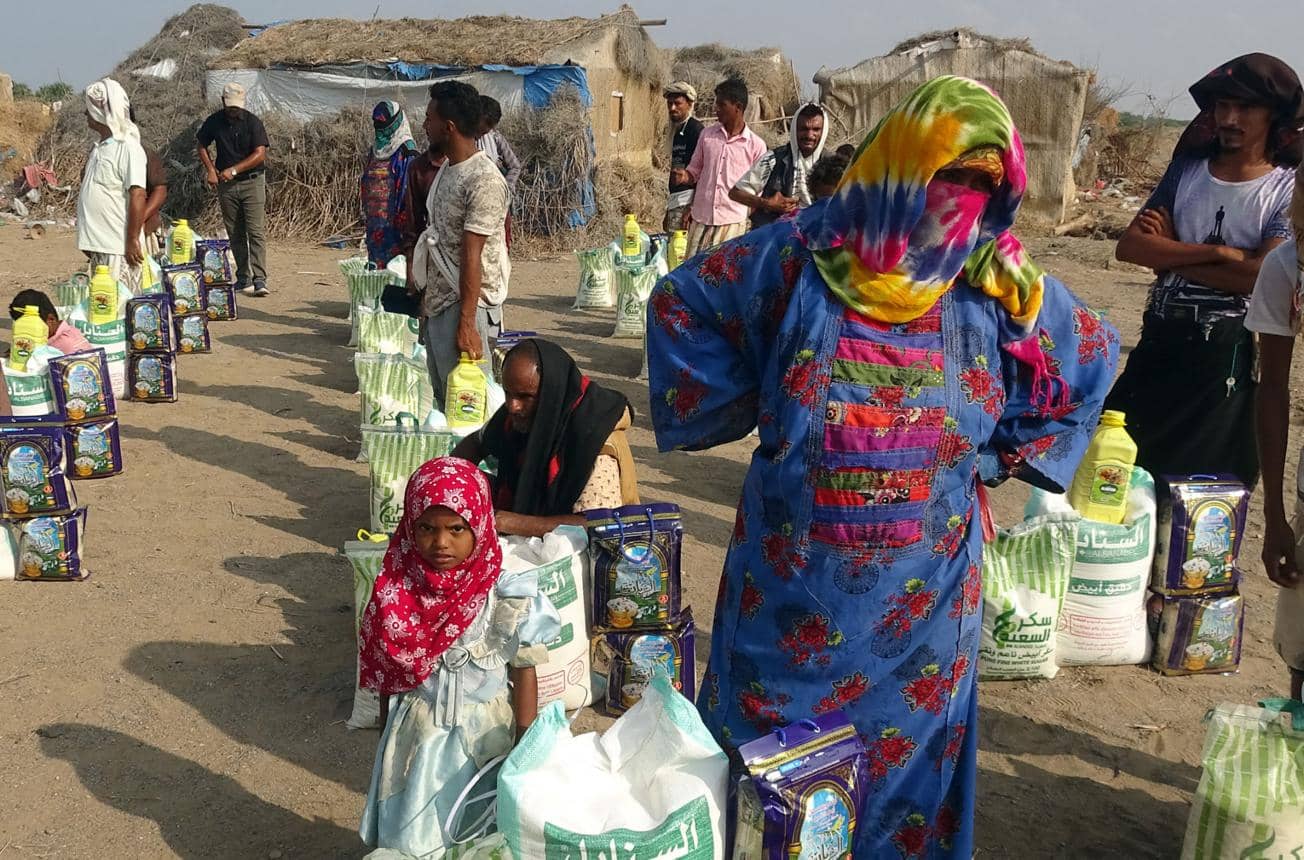
The European Commission says the humanitarian aid for Yemen will pay for food security and nutrition, health care, water, sanitation and hygiene, protection, and other life-saving work. Priority groups include displaced families, women and children, people with disabilities and marginalised communities. The funding also helps partners respond to rising needs, strengthen their operational capacity, pre-position supplies and improve preparedness for new shocks.
The scale of need explains why the EU increased humanitarian aid for Yemen. According to the Commission, 22.3 million people in Yemen need humanitarian assistance and protection, and about 5.2 million are internally displaced. More than 2.2 million children under five suffer from acute malnutrition. Nearly 230,000 people left their homes in recent weeks, and millions face acute food insecurity with limited access to health care and safe water.
Commissioner Hadja Lahbib, who holds the preparedness and crisis management portfolio, framed the decision as a matter of urgency. She said families cannot wait for a ceasefire to put food on the table or find a safe place to sleep, and she added that the people of Yemen must not be forgotten. The Commission did not name the implementing organisations in its announcement and refers only to humanitarian partners.
The decision matters because Yemen competes for attention with several larger crises. The Commission’s own figures show displacement rising and malnutrition widespread, which puts pressure on every donor to keep pace with the need. A visible commitment of humanitarian aid for Yemen signals that the EU still treats the country as a priority, even when fighting elsewhere dominates headlines.
Humanitarian aid for Yemen also differs from development or security spending in how the EU allocates it. The Commission distributes humanitarian aid according to need and without political conditions, working through United Nations agencies, the Red Cross and Red Crescent movement and non-governmental organisations. That principle lets partners operate across front lines, although access constraints and security threats still limit what they can deliver on the ground.
The next test lies in delivery and in follow-up money. Partners will need to spend the new funds quickly to cover nutrition and health needs before conditions worsen, and member states must decide how much they will contribute to the next round of appeals. Observers will watch whether the EU can keep humanitarian aid for Yemen at or above this year’s 110 million euros as the conflict escalates and displacement continues.