Dublin: The informal education ministers meeting opens on 15 October 2026 in Dublin, where Ireland’s presidency of the Council of the EU hosts national ministers for two days of strategic talks. Ireland’s Minister for Education and Youth, Hildegarde Naughton, and its Minister for Further and Higher Education, Research, Innovation and Science, James Lawless, co-chair the event, and a press conference is scheduled for 16:30 on the first day.
The presidency has not published a detailed agenda. It describes the informal education ministers meeting as a forum for in-depth discussion of shared priorities, emerging issues and opportunities for stronger cooperation. The talks cover primary, post-primary and tertiary education as well as youth policy, which reflects the way Ireland split the portfolio between two departments.
An informal gathering cannot adopt laws or formal conclusions. Its value lies in preparation, because it lets ministers test ideas before the formal Education Council of the Education, Youth, Culture and Sport configuration meets in November. Governments use the setting to signal red lines early, and presidencies use it to gauge which proposals can win agreement before the year ends.
Recent Council work indicates where the informal education ministers meeting may steer the debate. When ministers met in Brussels on 11 May 2026, they discussed how artificial intelligence can support teachers and be used responsibly, ethically and inclusively. They also held a broad exchange on basic skills in literacy, mathematics and science, and they agreed the Council’s position on the Erasmus+ Regulation for the period after 2028.
Youth participation is a second thread for the informal education ministers meeting. Naughton met EU Youth Delegates before the May Council, and the discussion centred on giving young people a bigger role in decision-making and making policies more youth-friendly. Ireland has described the EU Youth Conference in Dublin as a key milestone of its presidency, and the informal education ministers meeting offers a chance to link that event to the education agenda.
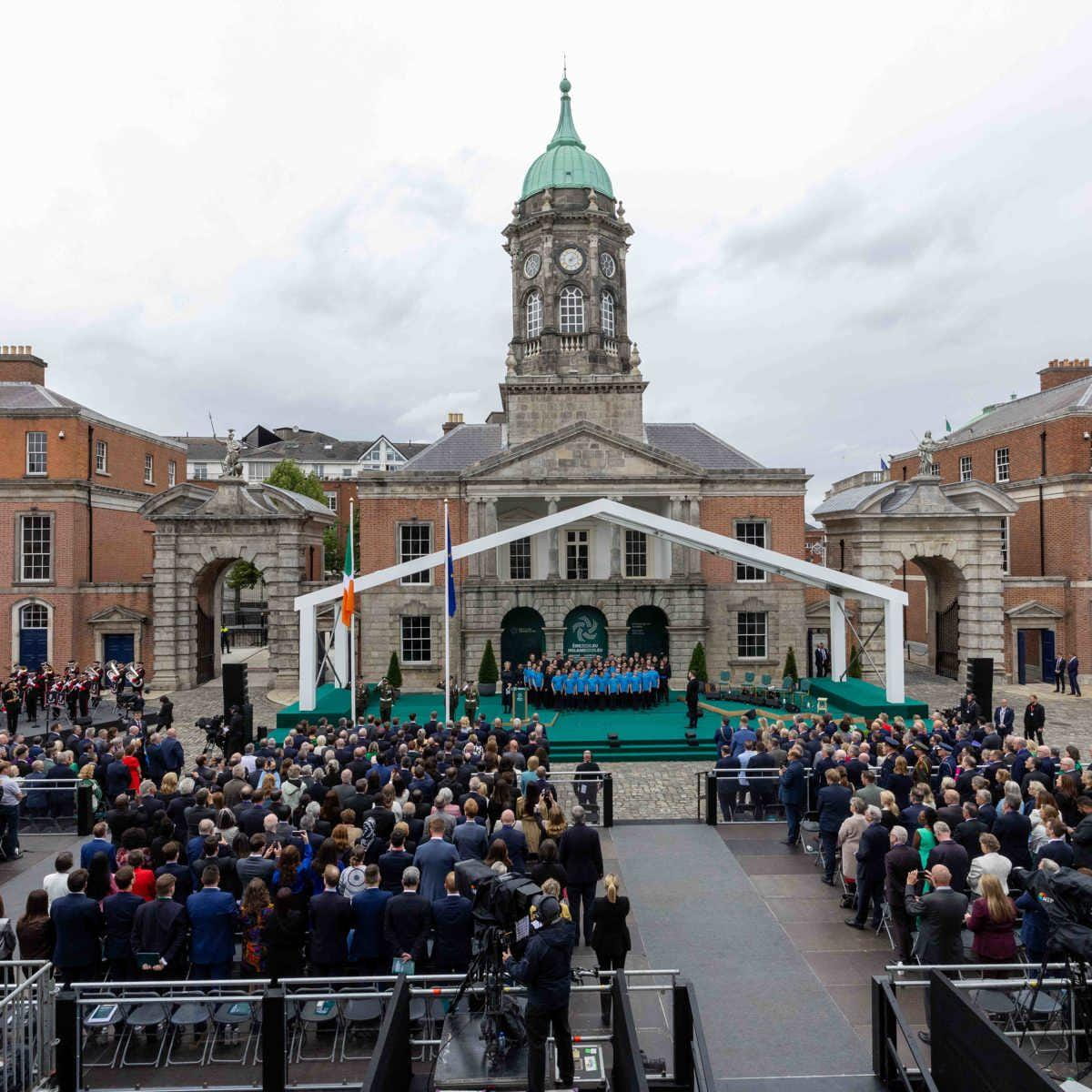
The venue carries its own message. The Irish presidency concentrates its activity in Dublin Castle, where a policing and security operation will last for the whole presidency. Castle Street and the two Ship Street lanes stay closed to traffic and pedestrians until 31 December 2026, with local access arranged for residents and businesses.
Observers will watch whether ministers use the informal education ministers meeting to narrow differences on the next Erasmus+ programme, on teacher shortages and on AI in classrooms. The outcome will not bind anyone, yet the tone set in Dublin will shape the formal Council debate in November and the final months of Ireland’s presidency in 2026.