August 9, 2026
LATEST
New EU Gas Market Rules Take Effect With Consumer SafeguardsDeforestation Regulation Holds Its December Deadline Despite CutsDigital Omnibus Delays Europe’s High-Risk AI Deadline to 2027Europe’s Schools Confront a Widening Basic Skills GapRule of Law Report Finds Progress but Trust Still LagsIRIS2 Gains 66 Satellites as Brussels Signs the Rollout DealNature Restoration Plans Come Due as Member States Race a DeadlineECB Rates Hold at 2.25 Percent as Frankfurt Waits on the DataEU Budget Talks Turn to Cohesion as Ireland Takes OverWildfire Response Stretches Europe’s Emergency Fleet ThinCan Europe’s Quantum Plan Match Its Big Ambitions?Armenia Edges West as Moscow’s Grip Slips AwayEurope Inherits the World’s Aid Bill It Cannot Fully PayAir Passenger Rights Get Their First Overhaul in Two DecadesErasmus Opens a 5 Billion Euro Round for Skills and MobilityCeuta Crisis Pushes the EU Toward Faster Migrant ReturnsBulky Parcels Face a Packaging Crackdown From August 12Can Europe Build Its Drone Wall Before 2030 Arrives?Indonesia’s Trade Deal With Europe Nears Its Final SignatureEurope Leans on Beijing to Keep Climate Talks Alive Before AntalyaNew EU Gas Market Rules Take Effect With Consumer SafeguardsDeforestation Regulation Holds Its December Deadline Despite CutsDigital Omnibus Delays Europe’s High-Risk AI Deadline to 2027Europe’s Schools Confront a Widening Basic Skills GapRule of Law Report Finds Progress but Trust Still LagsIRIS2 Gains 66 Satellites as Brussels Signs the Rollout DealNature Restoration Plans Come Due as Member States Race a DeadlineECB Rates Hold at 2.25 Percent as Frankfurt Waits on the DataEU Budget Talks Turn to Cohesion as Ireland Takes OverWildfire Response Stretches Europe’s Emergency Fleet ThinCan Europe’s Quantum Plan Match Its Big Ambitions?Armenia Edges West as Moscow’s Grip Slips AwayEurope Inherits the World’s Aid Bill It Cannot Fully PayAir Passenger Rights Get Their First Overhaul in Two DecadesErasmus Opens a 5 Billion Euro Round for Skills and MobilityCeuta Crisis Pushes the EU Toward Faster Migrant ReturnsBulky Parcels Face a Packaging Crackdown From August 12Can Europe Build Its Drone Wall Before 2030 Arrives?Indonesia’s Trade Deal With Europe Nears Its Final SignatureEurope Leans on Beijing to Keep Climate Talks Alive Before Antalya
August 9, 2026
LATEST
New EU Gas Market Rules Take Effect With Consumer SafeguardsDeforestation Regulation Holds Its December Deadline Despite CutsDigital Omnibus Delays Europe’s High-Risk AI Deadline to 2027Europe’s Schools Confront a Widening Basic Skills GapRule of Law Report Finds Progress but Trust Still LagsIRIS2 Gains 66 Satellites as Brussels Signs the Rollout DealNature Restoration Plans Come Due as Member States Race a DeadlineECB Rates Hold at 2.25 Percent as Frankfurt Waits on the DataEU Budget Talks Turn to Cohesion as Ireland Takes OverWildfire Response Stretches Europe’s Emergency Fleet ThinCan Europe’s Quantum Plan Match Its Big Ambitions?Armenia Edges West as Moscow’s Grip Slips AwayEurope Inherits the World’s Aid Bill It Cannot Fully PayAir Passenger Rights Get Their First Overhaul in Two DecadesErasmus Opens a 5 Billion Euro Round for Skills and MobilityCeuta Crisis Pushes the EU Toward Faster Migrant ReturnsBulky Parcels Face a Packaging Crackdown From August 12Can Europe Build Its Drone Wall Before 2030 Arrives?Indonesia’s Trade Deal With Europe Nears Its Final SignatureEurope Leans on Beijing to Keep Climate Talks Alive Before AntalyaNew EU Gas Market Rules Take Effect With Consumer SafeguardsDeforestation Regulation Holds Its December Deadline Despite CutsDigital Omnibus Delays Europe’s High-Risk AI Deadline to 2027Europe’s Schools Confront a Widening Basic Skills GapRule of Law Report Finds Progress but Trust Still LagsIRIS2 Gains 66 Satellites as Brussels Signs the Rollout DealNature Restoration Plans Come Due as Member States Race a DeadlineECB Rates Hold at 2.25 Percent as Frankfurt Waits on the DataEU Budget Talks Turn to Cohesion as Ireland Takes OverWildfire Response Stretches Europe’s Emergency Fleet ThinCan Europe’s Quantum Plan Match Its Big Ambitions?Armenia Edges West as Moscow’s Grip Slips AwayEurope Inherits the World’s Aid Bill It Cannot Fully PayAir Passenger Rights Get Their First Overhaul in Two DecadesErasmus Opens a 5 Billion Euro Round for Skills and MobilityCeuta Crisis Pushes the EU Toward Faster Migrant ReturnsBulky Parcels Face a Packaging Crackdown From August 12Can Europe Build Its Drone Wall Before 2030 Arrives?Indonesia’s Trade Deal With Europe Nears Its Final SignatureEurope Leans on Beijing to Keep Climate Talks Alive Before Antalya

IRIS² Satellite Constellation Faces Industrial and Financial Challenges as Deadlines Loom

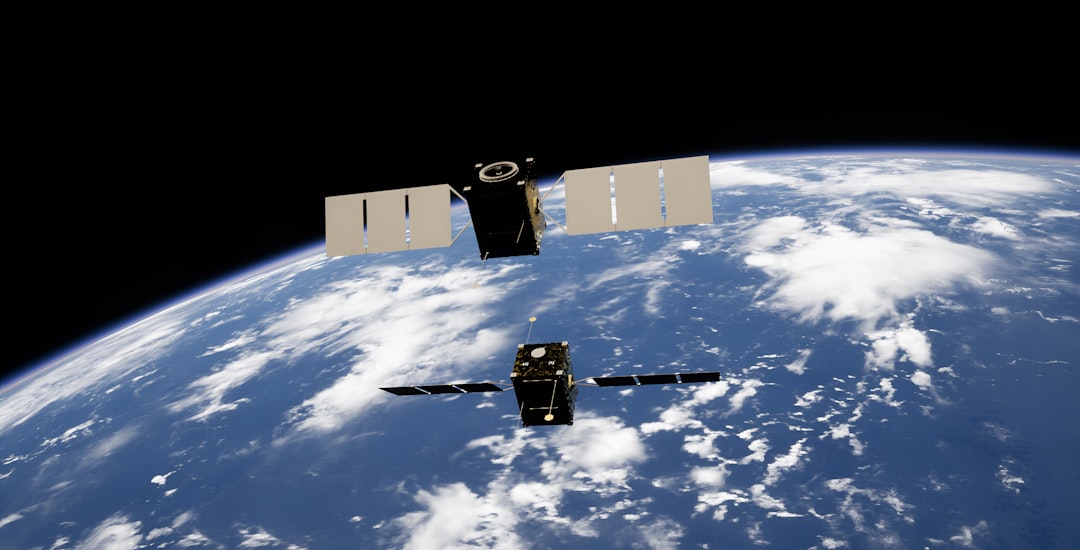
Toulouse: The IRIS² satellite constellation is moving from contractual signature into the harder phase of industrial delivery, and the experience to date offers a useful case study of European space policy under operational pressure. The programme aims to provide secure governmental and commercial connectivity through a low and medium earth orbit constellation, intended to operate alongside Galileo and Copernicus as one of the flagship space infrastructures of the bloc. The selection of the consortium led by a combination of established satellite operators and integrator firms has set the architecture, but the financing, schedule and operational design remain under continuing negotiation.

The strategic case for the constellation rests on three pillars. The first is governmental connectivity for European institutions, member states and defence operations, including secure communications that do not depend on third-country infrastructure. The second is commercial service provision in markets where European operators have been losing ground to American and Chinese competitors. The third is industrial development that maintains European capacity in satellite manufacturing, launch services and downstream services. The programme attempts to do all three within a structure that combines public financing with private investment, and the balance between the three objectives has been a source of continuing debate.

Toulouse, as one of the centres of European aerospace, has substantial industrial stakes in the programme. The consortium structure brings together capabilities from several national champions, and the work share negotiation has been complex. The geographic distribution of work has implications for jobs, supply chain development and longer-term industrial positioning. The Commission and member state authorities have insisted on European content rules and on participation by small and medium enterprises across the bloc, which has added administrative complexity but has been politically essential to maintain support across member states.

The financing structure has been one of the more difficult dimensions. The European budget contributes a substantial share, the European Space Agency contributes additional resources through its participating states, and private investment is expected to cover the remainder, recovered through commercial service revenues. The viability of the commercial business case depends on assumptions about market growth, pricing and competition that are not easily verified at this stage. The risk allocation between public and private participants has been negotiated in detail, and the contractual structure is intended to absorb specific contingencies while preserving the public interest in continuity of service.

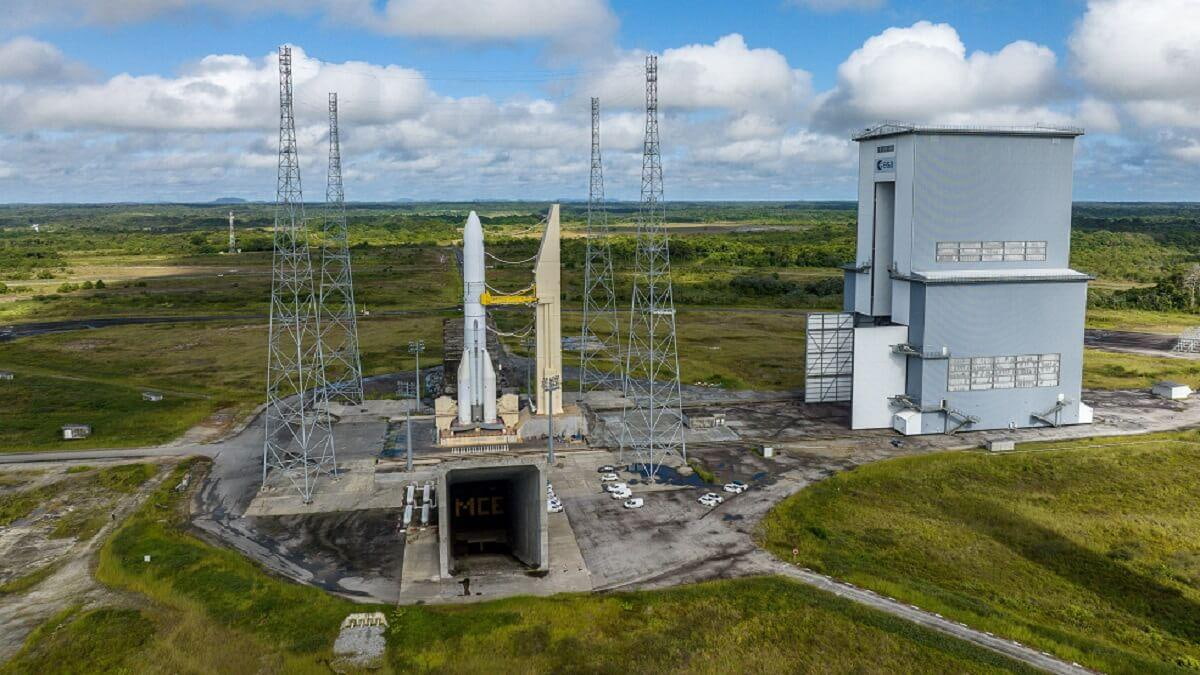
The schedule is ambitious. Initial services are targeted for the latter part of the decade, with full operational capability later still. The launch cadence required to deploy the constellation depends on European launch services capacity, which has been under strain following the transition between Ariane generations and the difficulties experienced with Vega-C. The relationship with non-European launch providers has been pragmatic, with selective use of American capacity where European options have been unavailable, but the political preference for European autonomy in launch services remains strong.

The competitive landscape is moving rapidly. The American operator that has deployed the largest constellation in low earth orbit has established a substantial market lead and is expanding service offerings. Chinese operators are building competing systems with substantial state backing. Other commercial constellations are at various stages of deployment. The window in which IRIS² can establish its market position is not unlimited, and the schedule risks accordingly have a strategic as well as a contractual dimension.

The longer-term significance of the programme will depend on whether it succeeds in establishing a durable European capability in this segment of space infrastructure. If it does, it will reshape parts of the European telecommunications and defence ecosystem. If schedule and financing pressures erode delivery, the programme will become a case study of how strategic intentions in space policy can outrun industrial reality.