August 9, 2026
LATEST
New EU Gas Market Rules Take Effect With Consumer SafeguardsDeforestation Regulation Holds Its December Deadline Despite CutsDigital Omnibus Delays Europe’s High-Risk AI Deadline to 2027Europe’s Schools Confront a Widening Basic Skills GapRule of Law Report Finds Progress but Trust Still LagsIRIS2 Gains 66 Satellites as Brussels Signs the Rollout DealNature Restoration Plans Come Due as Member States Race a DeadlineECB Rates Hold at 2.25 Percent as Frankfurt Waits on the DataEU Budget Talks Turn to Cohesion as Ireland Takes OverWildfire Response Stretches Europe’s Emergency Fleet ThinCan Europe’s Quantum Plan Match Its Big Ambitions?Armenia Edges West as Moscow’s Grip Slips AwayEurope Inherits the World’s Aid Bill It Cannot Fully PayAir Passenger Rights Get Their First Overhaul in Two DecadesErasmus Opens a 5 Billion Euro Round for Skills and MobilityCeuta Crisis Pushes the EU Toward Faster Migrant ReturnsBulky Parcels Face a Packaging Crackdown From August 12Can Europe Build Its Drone Wall Before 2030 Arrives?Indonesia’s Trade Deal With Europe Nears Its Final SignatureEurope Leans on Beijing to Keep Climate Talks Alive Before AntalyaNew EU Gas Market Rules Take Effect With Consumer SafeguardsDeforestation Regulation Holds Its December Deadline Despite CutsDigital Omnibus Delays Europe’s High-Risk AI Deadline to 2027Europe’s Schools Confront a Widening Basic Skills GapRule of Law Report Finds Progress but Trust Still LagsIRIS2 Gains 66 Satellites as Brussels Signs the Rollout DealNature Restoration Plans Come Due as Member States Race a DeadlineECB Rates Hold at 2.25 Percent as Frankfurt Waits on the DataEU Budget Talks Turn to Cohesion as Ireland Takes OverWildfire Response Stretches Europe’s Emergency Fleet ThinCan Europe’s Quantum Plan Match Its Big Ambitions?Armenia Edges West as Moscow’s Grip Slips AwayEurope Inherits the World’s Aid Bill It Cannot Fully PayAir Passenger Rights Get Their First Overhaul in Two DecadesErasmus Opens a 5 Billion Euro Round for Skills and MobilityCeuta Crisis Pushes the EU Toward Faster Migrant ReturnsBulky Parcels Face a Packaging Crackdown From August 12Can Europe Build Its Drone Wall Before 2030 Arrives?Indonesia’s Trade Deal With Europe Nears Its Final SignatureEurope Leans on Beijing to Keep Climate Talks Alive Before Antalya
August 9, 2026
LATEST
New EU Gas Market Rules Take Effect With Consumer SafeguardsDeforestation Regulation Holds Its December Deadline Despite CutsDigital Omnibus Delays Europe’s High-Risk AI Deadline to 2027Europe’s Schools Confront a Widening Basic Skills GapRule of Law Report Finds Progress but Trust Still LagsIRIS2 Gains 66 Satellites as Brussels Signs the Rollout DealNature Restoration Plans Come Due as Member States Race a DeadlineECB Rates Hold at 2.25 Percent as Frankfurt Waits on the DataEU Budget Talks Turn to Cohesion as Ireland Takes OverWildfire Response Stretches Europe’s Emergency Fleet ThinCan Europe’s Quantum Plan Match Its Big Ambitions?Armenia Edges West as Moscow’s Grip Slips AwayEurope Inherits the World’s Aid Bill It Cannot Fully PayAir Passenger Rights Get Their First Overhaul in Two DecadesErasmus Opens a 5 Billion Euro Round for Skills and MobilityCeuta Crisis Pushes the EU Toward Faster Migrant ReturnsBulky Parcels Face a Packaging Crackdown From August 12Can Europe Build Its Drone Wall Before 2030 Arrives?Indonesia’s Trade Deal With Europe Nears Its Final SignatureEurope Leans on Beijing to Keep Climate Talks Alive Before AntalyaNew EU Gas Market Rules Take Effect With Consumer SafeguardsDeforestation Regulation Holds Its December Deadline Despite CutsDigital Omnibus Delays Europe’s High-Risk AI Deadline to 2027Europe’s Schools Confront a Widening Basic Skills GapRule of Law Report Finds Progress but Trust Still LagsIRIS2 Gains 66 Satellites as Brussels Signs the Rollout DealNature Restoration Plans Come Due as Member States Race a DeadlineECB Rates Hold at 2.25 Percent as Frankfurt Waits on the DataEU Budget Talks Turn to Cohesion as Ireland Takes OverWildfire Response Stretches Europe’s Emergency Fleet ThinCan Europe’s Quantum Plan Match Its Big Ambitions?Armenia Edges West as Moscow’s Grip Slips AwayEurope Inherits the World’s Aid Bill It Cannot Fully PayAir Passenger Rights Get Their First Overhaul in Two DecadesErasmus Opens a 5 Billion Euro Round for Skills and MobilityCeuta Crisis Pushes the EU Toward Faster Migrant ReturnsBulky Parcels Face a Packaging Crackdown From August 12Can Europe Build Its Drone Wall Before 2030 Arrives?Indonesia’s Trade Deal With Europe Nears Its Final SignatureEurope Leans on Beijing to Keep Climate Talks Alive Before Antalya

Irregular Arrivals Face Tougher Checks As Pact Rules Begin

Lampedusa: On the small Sicilian island that has long served as Europe’s southern doorstep, a quiet but consequential shift took hold this month. From 12 June, the bulk of the European Union’s Pact on Migration and Asylum became applicable law, and with it the new Screening Regulation that imposes a standardised set of checks on anyone who crosses an external border without authorisation. After years of negotiation, the rulebook agreed in 2024 has stopped being a promise on paper and started shaping what happens at the water’s edge.

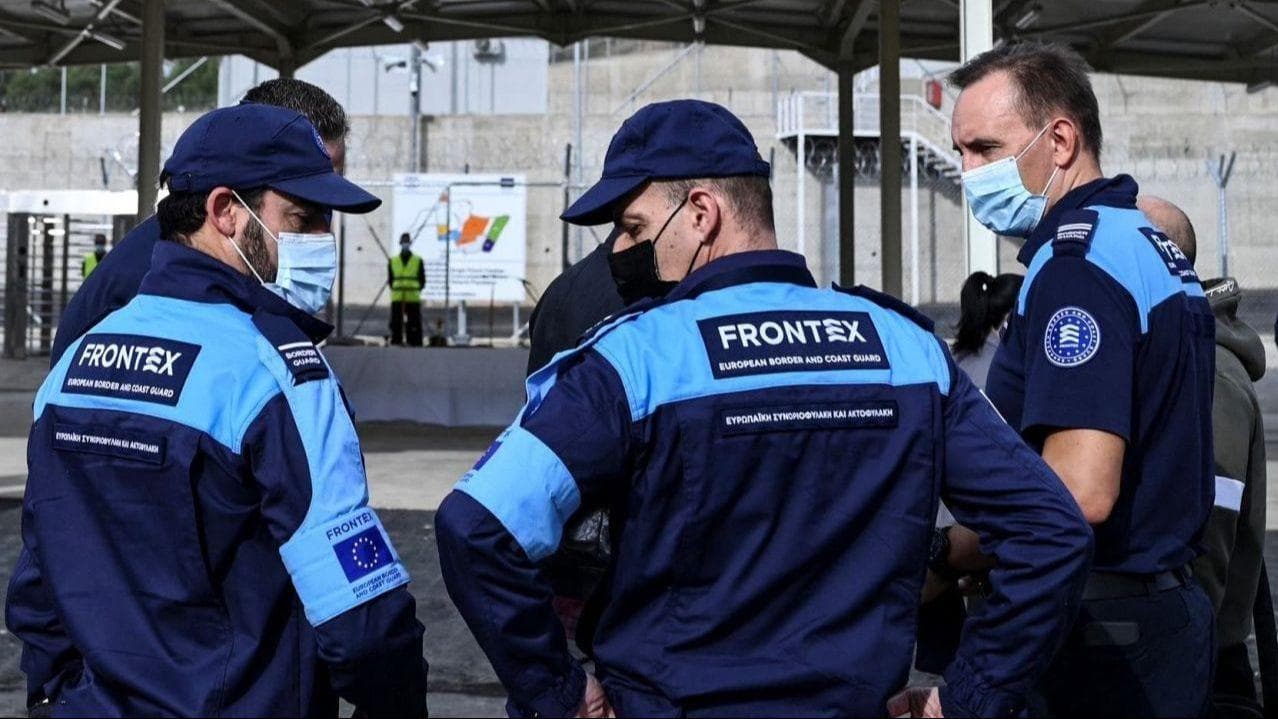
The screening procedure is deliberately uniform. Every person who does not meet the conditions for legal entry is now subject to identity verification, fingerprinting, a health and vulnerability assessment, and a security check, all to be completed within a tightly bounded period. The aim is to sort new arrivals quickly into the procedures that follow, whether an asylum claim, an accelerated border process, or a return. Lampedusa itself was used as a testing ground for the approach, with Frontex, the EU Asylum Agency and Europol rehearsing the workflow alongside Italian authorities before the rules went live across the bloc.

What makes this moment delicate is not the mechanics of fingerprinting but the politics of delivery. The Pact rests on a bargain between frontline states, which carry the weight of first arrivals, and the rest of the Union, which agreed to a system of solidarity contributions. That balance only holds if the screening, the asylum procedures and the returns that follow it actually function in practice. National administrations have spent the past two years building reception capacity, recruiting case officers and wiring up databases. Whether every member state arrived at the deadline equally prepared is the question that will define the Pact’s credibility.

Returns are the part most likely to generate friction. Co-legislators reached agreement at the start of June on a Return Regulation that streamlines procedures and opens the door to so-called return hubs located outside EU territory for people with no right to remain. Frontex is being handed a larger operational role in identifying those who do not qualify for protection and organising their departure. Civil-society monitors have warned that speed and deterrence should not crowd out the individual assessment that EU and international law require, and that vulnerability checks must be more than a box-ticking formality when officers are working against the clock.

For the islanders of Lampedusa, the change is both familiar and new. They have watched policy cycles come and go while the boats kept arriving, and they are right to be sceptical that a regulation alone will alter the underlying pressures driving people across the central Mediterranean. Yet a common procedure, applied the same way in Greece, Spain and Italy, is something the Union has never had before. The measure of success will not be the elegance of the legal text but whether it produces faster decisions, humane treatment and a fairer sharing of responsibility. The coming months, as the first cohorts pass through screening under the new rules, will show whether the Pact can carry the expectations loaded onto it.