August 9, 2026
LATEST
New EU Gas Market Rules Take Effect With Consumer SafeguardsDeforestation Regulation Holds Its December Deadline Despite CutsDigital Omnibus Delays Europe’s High-Risk AI Deadline to 2027Europe’s Schools Confront a Widening Basic Skills GapRule of Law Report Finds Progress but Trust Still LagsIRIS2 Gains 66 Satellites as Brussels Signs the Rollout DealNature Restoration Plans Come Due as Member States Race a DeadlineECB Rates Hold at 2.25 Percent as Frankfurt Waits on the DataEU Budget Talks Turn to Cohesion as Ireland Takes OverWildfire Response Stretches Europe’s Emergency Fleet ThinCan Europe’s Quantum Plan Match Its Big Ambitions?Armenia Edges West as Moscow’s Grip Slips AwayEurope Inherits the World’s Aid Bill It Cannot Fully PayAir Passenger Rights Get Their First Overhaul in Two DecadesErasmus Opens a 5 Billion Euro Round for Skills and MobilityCeuta Crisis Pushes the EU Toward Faster Migrant ReturnsBulky Parcels Face a Packaging Crackdown From August 12Can Europe Build Its Drone Wall Before 2030 Arrives?Indonesia’s Trade Deal With Europe Nears Its Final SignatureEurope Leans on Beijing to Keep Climate Talks Alive Before AntalyaNew EU Gas Market Rules Take Effect With Consumer SafeguardsDeforestation Regulation Holds Its December Deadline Despite CutsDigital Omnibus Delays Europe’s High-Risk AI Deadline to 2027Europe’s Schools Confront a Widening Basic Skills GapRule of Law Report Finds Progress but Trust Still LagsIRIS2 Gains 66 Satellites as Brussels Signs the Rollout DealNature Restoration Plans Come Due as Member States Race a DeadlineECB Rates Hold at 2.25 Percent as Frankfurt Waits on the DataEU Budget Talks Turn to Cohesion as Ireland Takes OverWildfire Response Stretches Europe’s Emergency Fleet ThinCan Europe’s Quantum Plan Match Its Big Ambitions?Armenia Edges West as Moscow’s Grip Slips AwayEurope Inherits the World’s Aid Bill It Cannot Fully PayAir Passenger Rights Get Their First Overhaul in Two DecadesErasmus Opens a 5 Billion Euro Round for Skills and MobilityCeuta Crisis Pushes the EU Toward Faster Migrant ReturnsBulky Parcels Face a Packaging Crackdown From August 12Can Europe Build Its Drone Wall Before 2030 Arrives?Indonesia’s Trade Deal With Europe Nears Its Final SignatureEurope Leans on Beijing to Keep Climate Talks Alive Before Antalya
August 9, 2026
LATEST
New EU Gas Market Rules Take Effect With Consumer SafeguardsDeforestation Regulation Holds Its December Deadline Despite CutsDigital Omnibus Delays Europe’s High-Risk AI Deadline to 2027Europe’s Schools Confront a Widening Basic Skills GapRule of Law Report Finds Progress but Trust Still LagsIRIS2 Gains 66 Satellites as Brussels Signs the Rollout DealNature Restoration Plans Come Due as Member States Race a DeadlineECB Rates Hold at 2.25 Percent as Frankfurt Waits on the DataEU Budget Talks Turn to Cohesion as Ireland Takes OverWildfire Response Stretches Europe’s Emergency Fleet ThinCan Europe’s Quantum Plan Match Its Big Ambitions?Armenia Edges West as Moscow’s Grip Slips AwayEurope Inherits the World’s Aid Bill It Cannot Fully PayAir Passenger Rights Get Their First Overhaul in Two DecadesErasmus Opens a 5 Billion Euro Round for Skills and MobilityCeuta Crisis Pushes the EU Toward Faster Migrant ReturnsBulky Parcels Face a Packaging Crackdown From August 12Can Europe Build Its Drone Wall Before 2030 Arrives?Indonesia’s Trade Deal With Europe Nears Its Final SignatureEurope Leans on Beijing to Keep Climate Talks Alive Before AntalyaNew EU Gas Market Rules Take Effect With Consumer SafeguardsDeforestation Regulation Holds Its December Deadline Despite CutsDigital Omnibus Delays Europe’s High-Risk AI Deadline to 2027Europe’s Schools Confront a Widening Basic Skills GapRule of Law Report Finds Progress but Trust Still LagsIRIS2 Gains 66 Satellites as Brussels Signs the Rollout DealNature Restoration Plans Come Due as Member States Race a DeadlineECB Rates Hold at 2.25 Percent as Frankfurt Waits on the DataEU Budget Talks Turn to Cohesion as Ireland Takes OverWildfire Response Stretches Europe’s Emergency Fleet ThinCan Europe’s Quantum Plan Match Its Big Ambitions?Armenia Edges West as Moscow’s Grip Slips AwayEurope Inherits the World’s Aid Bill It Cannot Fully PayAir Passenger Rights Get Their First Overhaul in Two DecadesErasmus Opens a 5 Billion Euro Round for Skills and MobilityCeuta Crisis Pushes the EU Toward Faster Migrant ReturnsBulky Parcels Face a Packaging Crackdown From August 12Can Europe Build Its Drone Wall Before 2030 Arrives?Indonesia’s Trade Deal With Europe Nears Its Final SignatureEurope Leans on Beijing to Keep Climate Talks Alive Before Antalya

Last Budget Of A Seven Year Cycle Arrives Near 200 Billion

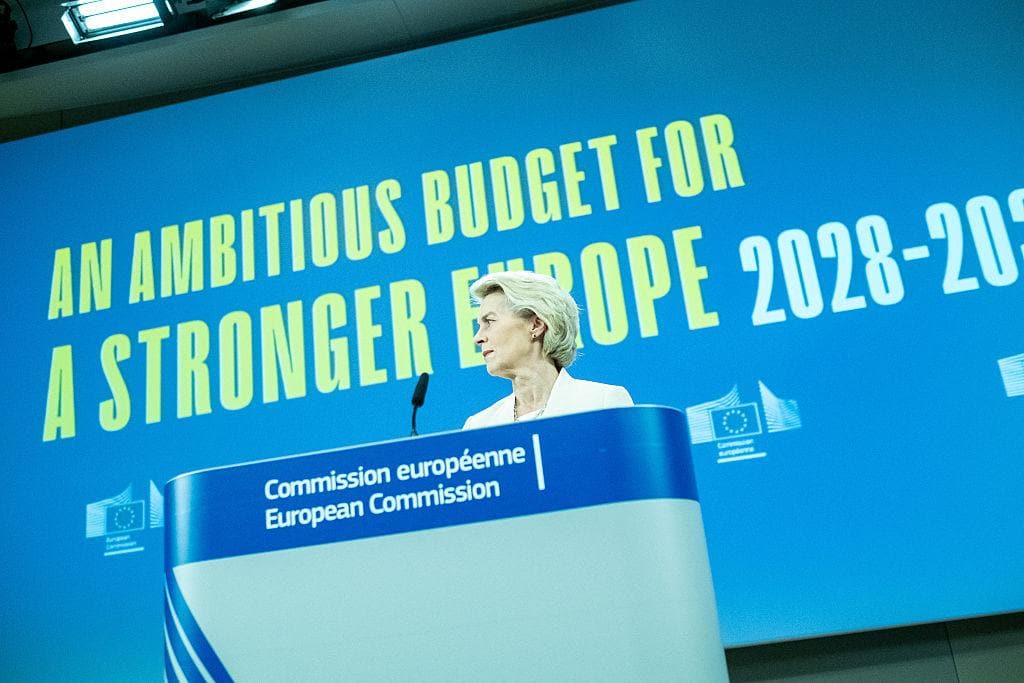
Warsaw: For the regional officials in the Polish capital who have spent more than a decade turning EU transfers into roads, rail lines and research centres, the European Commission’s latest budget proposal marks the end of an era. The draft annual budget for 2027, unveiled in mid-June, sets total commitments at around 200 billion euros and represents the final instalment of the multiannual financial framework that has governed EU spending since 2021. After this, a new seven-year plan takes over, and the assumptions that shaped a generation of cohesion projects will be rewritten.

The annual budget is the workaday counterpart to the long-term framework, which sets ceilings and political priorities for seven years at a stretch while the annual budget fills in the actual figures for each twelve-month period. For 2027 the Commission must work within the limits of the existing framework while squeezing in the priorities that have risen up the agenda since the plan was drawn up, above all security, defence and continued support for Ukraine.

Ukraine looms large in the numbers. The draft earmarks four billion euros in non-repayable support and a further 2.2 billion in loans through the dedicated facility, alongside more than a billion to cover the debt-service costs of an earlier support loan. Defence and wider security spending also rise, reflecting a continent that has rearmed faster in the past three years than in the previous thirty. Every euro directed to these ends, however, is a euro that must be found within fixed ceilings, which is why the Commission has been pressed to identify redeployments, the polite term for moving money out of one programme to feed another.

That arithmetic is where the tension lies. Cohesion funding, the vast stream that reshaped cities like Warsaw and whole regions of central and eastern Europe, and the common agricultural policy together still account for the largest shares of the budget, but their dominance is no longer politically untouchable. The next long-term framework, proposed last summer with a headline figure above 1.7 trillion euros across seven years, has opened a fight over whether traditional spending should give way to newer priorities, and the 2027 budget is the last drawn under the old logic before that argument is settled.

For member states the draft is only the opening bid. The Council and the European Parliament will spend the second half of the year negotiating amendments, each defending the programmes its constituencies care about, before a final figure is agreed in late autumn. The choreography is well rehearsed and rarely fast, and the gap between proposal and eventual deal can be considerable.

In Warsaw the concern is narrower and more practical. The transfers that financed a quarter-century of catching up are no longer guaranteed to flow on the old scale, and regional planners are already studying how to reshape their projects for a budget that will increasingly prize security and competitiveness over convergence. The 2027 figures are a last look at a familiar world before the rules of European money change.