Tallinn: Europe is building a set of defences for its democracies, and its lawmakers have just staked out how far those defences should reach. Members of the European Parliament’s special committee adopted a draft report on 23 June setting out recommendations for the democracy shield, the bloc’s response to foreign interference, information manipulation and hybrid threats.
The initiative traces back to a joint communication from the Commission and the EU’s foreign policy chief in November, which framed disinformation and covert influence as direct assaults on the trust that elections depend on. Cities like Tallinn, long on the front line of cyber and information attacks, have pressed for concrete tools rather than declarations.
The plan rests on four pillars. It would create a European Centre for Democratic Resilience to pool expertise, safeguard the integrity of the information space, strengthen free elections and independent media, and boost citizens’ ability to resist manipulation. Officials want the pieces in place by 2027, spanning everything from school programmes on media literacy to common criteria for acting against rogue foreign broadcasters.
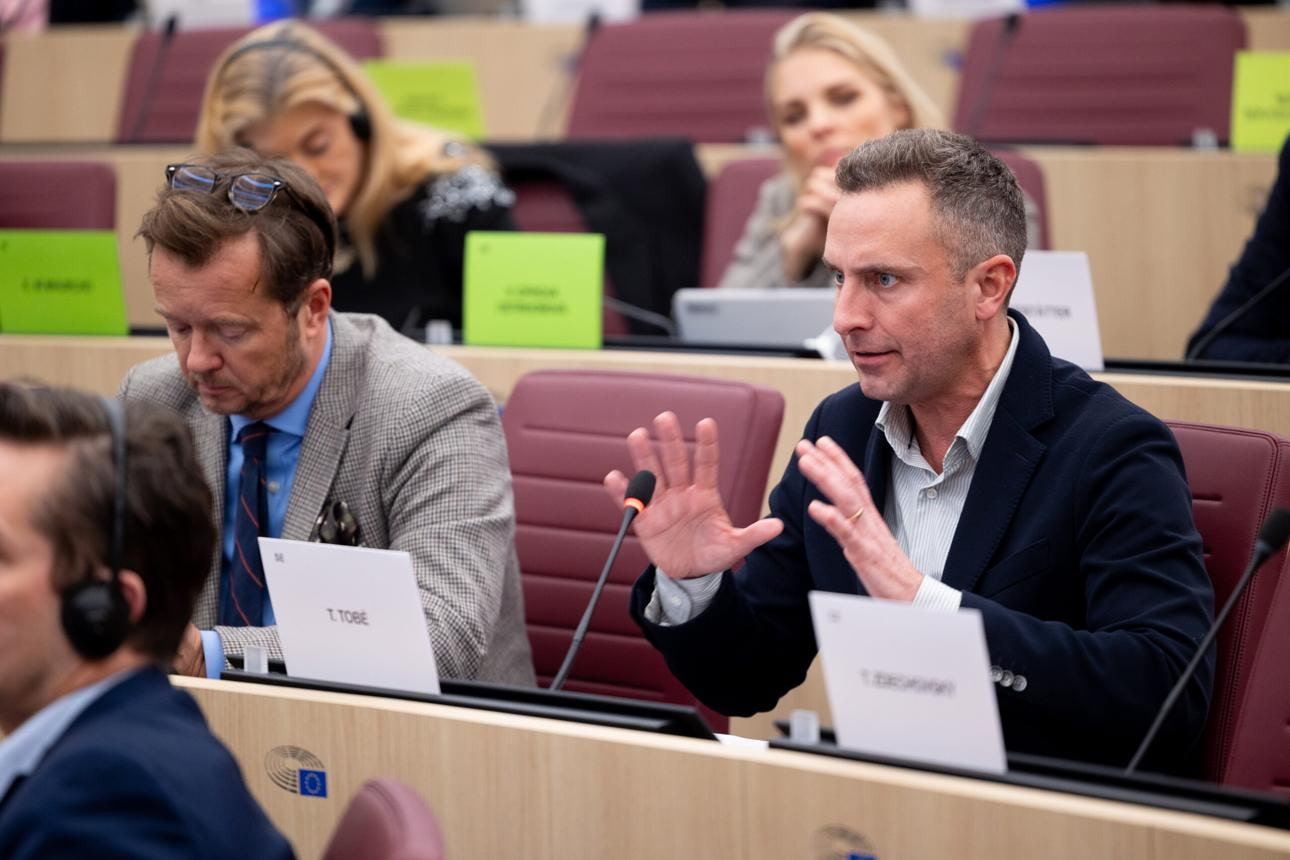
Parliament’s committee wants sharper teeth. Its draft urges tighter transparency for the recommender systems that decide what users see, faster demonetisation of disinformation and clearer labelling of content that artificial intelligence generates or manipulates. Lawmakers argue that voluntary codes have gone as far as they can and that binding obligations must follow.
Not everyone welcomes the direction. Free-speech advocates and some outside critics warn that a state-backed apparatus to police the information space could chill legitimate debate and hand regulators uncomfortable power over what counts as manipulation. They caution that the line between countering foreign interference and curbing dissent can blur quickly.
Supporters answer that doing nothing carries its own danger. They point to coordinated campaigns that target elections, seed division and erode confidence in institutions, and they argue that open societies must defend themselves without becoming what they oppose. The challenge, they concede, is designing safeguards that protect debate while blocking sabotage.
The committee’s report heads for a plenary vote in September, where the full Parliament will shape its final recommendations before they feed into the wider push. The Commission and member states will then decide how much of the ambition survives contact with twenty-seven governments guarding their own election rules.
The stakes are hard to overstate. Europe faces a run of national votes in the coming years, each a potential target, and the credibility of the democracy shield depends on whether it can act fast without overreaching. A parliamentary overview of the initiative sits in the European Parliament’s research briefing for those following its progress.