Luxembourg: Europe’s farm ministers gathered under Ireland’s new presidency to weigh a plan that touches every barn and feed store on the continent. The European Commission adopted its livestock strategy and protein action plan on 7 July, and the Agriculture and Fisheries Council held its first full exchange of views on the package on 13 July.
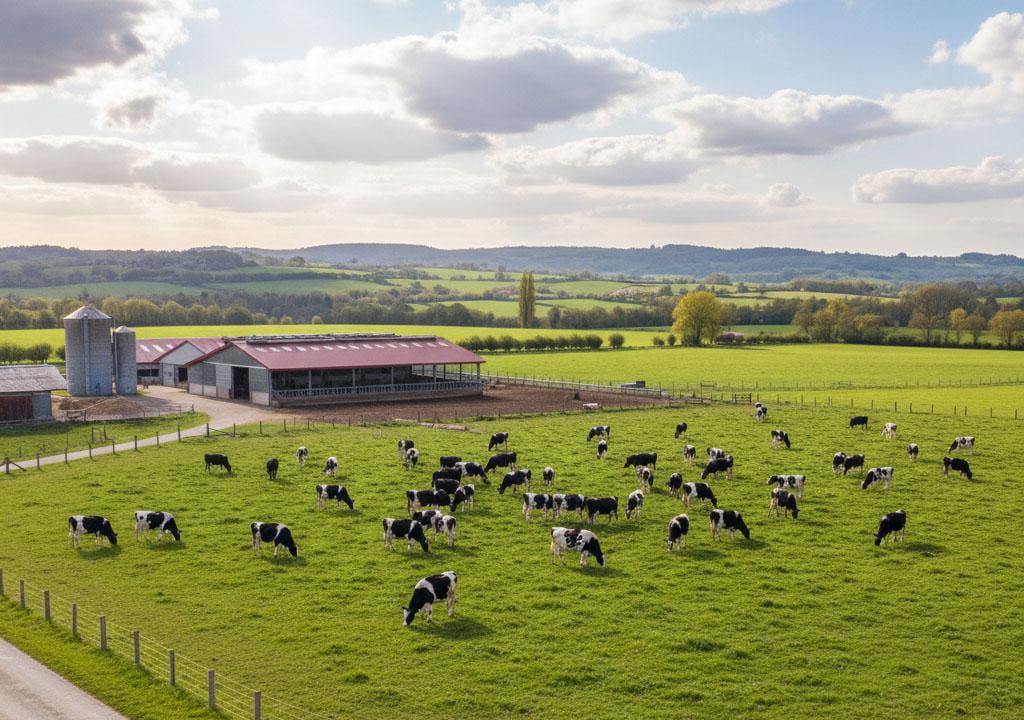
The livestock strategy tackles a sector caught between competing demands. Farmers face thin margins, ageing herds and mounting environmental rules, while consumers and campaigners press for lower emissions and higher animal welfare. The Commission wants to keep European meat and dairy competitive without abandoning its climate commitments.
The protein action plan runs alongside it. Europe still imports vast quantities of feed protein, chiefly soy, leaving farmers exposed to price shocks and distant supply chains. The plan aims to grow home-grown protein crops, from peas and beans to alternative feed sources, tightening the bloc’s grip on a strategic input.
Ministers framed both files around food security and simplification, two words that dominate the Irish presidency’s work programme. After years of complaints that the Common Agricultural Policy buries farmers in paperwork, governments want fewer forms and clearer rules, not another layer of obligations.
The Council also confronted a sharp rise in fertiliser prices, driven partly by tensions in the Middle East. Ministers backed a Commission proposal that amends the CAP strategic plans regulation, handing member states extra tools to cushion farmers hit hardest by the surge in input costs.
The discussion carried a symbolic thread too. The United Nations designated 2026 the International Year of the Woman Farmer, and ministers used the meeting to examine how to lift women’s recognition in the sector. Women count as formal farm holders in only about 31 percent of cases, some 2.9 million of the bloc’s nine million holdings.
Behind the strategy sits a larger fight over money. Negotiations on the next long-term budget will decide how much support flows to farms after 2027, and livestock producers worry that climate priorities could crowd out direct payments. The Common Agricultural Policy remains the single largest line in EU spending.
No binding decisions emerged from the July session, and none were expected. Yet the twin plans set the terms for the debate ahead, signalling that Brussels intends to defend European livestock farming while nudging it toward leaner feed, lower emissions and a more secure supply of protein grown closer to home.