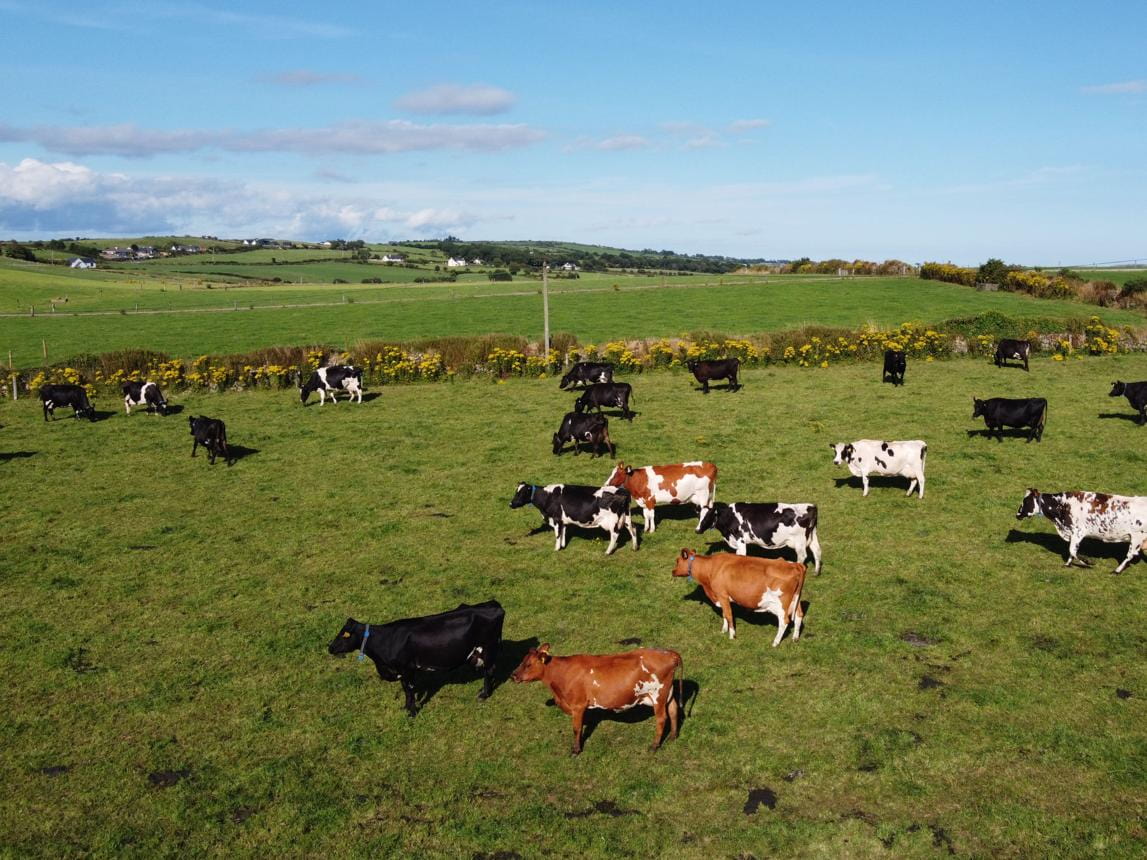
Cork: Among the green pastures of southern Ireland, where herds have shaped the landscape for centuries, the European Commission has just drawn up a rescue plan for livestock farming.
On 7 July 2026 the Commission adopted a dedicated Livestock Farming Strategy, its most explicit attempt yet to steady a sector that feels squeezed from every side. The document treats meat and dairy not as a problem to be managed down but as an industry to be kept alive, profitable and rooted in European soil.
The numbers explain the urgency. Livestock supports around seven million jobs across the Union and generates roughly 400 billion euro in annual turnover, along with a trade surplus close to 37 billion euro. Yet farmers face rising costs, ageing owners, global competition and a public that increasingly scrutinises how animals are raised.
The strategy tries to answer several of those pressures at once. It promises support for generational renewal, so that farms do not vanish when their owners retire, and it links profitability to higher standards on animal welfare rather than treating the two as rivals. It also leans on the goal of protein self-sufficiency, reducing the bloc’s reliance on imported feed that leaves farmers exposed to distant markets.
Reaction from farming groups was cautious but warmer than usual. After years in which environmental files dominated the agenda, many producers read the plan as a signal that the Commission wants them to stay in business. Green campaigners, by contrast, worry that a strategy built around keeping herd numbers healthy sits awkwardly with the bloc’s climate targets, since livestock remains a major source of methane.
The plan does not settle that tension so much as postpone it. Details on funding, on how welfare rules will be policed and on how the sector squares with emissions goals will surface in the coming budget debates. The full text is available through the Commission’s agriculture department.
Money is the piece everyone will watch. The strategy lands just as the Commission sketches the next long-term budget and a reshaped Common Agricultural Policy for the years after 2027, and farmers know that fine words about profitability mean little without the funds to back them. How much of the livestock plan survives that negotiation will tell producers whether the goodwill is real.
What the strategy makes clear is a change of tone. For a Union that spent recent years pressing farmers to do more with less, the message from Cork’s hinterland and countless farms like it is now that Europe intends to keep feeding itself from its own fields, and to argue about the trade-offs later.