August 9, 2026
LATEST
New EU Gas Market Rules Take Effect With Consumer SafeguardsDeforestation Regulation Holds Its December Deadline Despite CutsDigital Omnibus Delays Europe’s High-Risk AI Deadline to 2027Europe’s Schools Confront a Widening Basic Skills GapRule of Law Report Finds Progress but Trust Still LagsIRIS2 Gains 66 Satellites as Brussels Signs the Rollout DealNature Restoration Plans Come Due as Member States Race a DeadlineECB Rates Hold at 2.25 Percent as Frankfurt Waits on the DataEU Budget Talks Turn to Cohesion as Ireland Takes OverWildfire Response Stretches Europe’s Emergency Fleet ThinCan Europe’s Quantum Plan Match Its Big Ambitions?Armenia Edges West as Moscow’s Grip Slips AwayEurope Inherits the World’s Aid Bill It Cannot Fully PayAir Passenger Rights Get Their First Overhaul in Two DecadesErasmus Opens a 5 Billion Euro Round for Skills and MobilityCeuta Crisis Pushes the EU Toward Faster Migrant ReturnsBulky Parcels Face a Packaging Crackdown From August 12Can Europe Build Its Drone Wall Before 2030 Arrives?Indonesia’s Trade Deal With Europe Nears Its Final SignatureEurope Leans on Beijing to Keep Climate Talks Alive Before AntalyaNew EU Gas Market Rules Take Effect With Consumer SafeguardsDeforestation Regulation Holds Its December Deadline Despite CutsDigital Omnibus Delays Europe’s High-Risk AI Deadline to 2027Europe’s Schools Confront a Widening Basic Skills GapRule of Law Report Finds Progress but Trust Still LagsIRIS2 Gains 66 Satellites as Brussels Signs the Rollout DealNature Restoration Plans Come Due as Member States Race a DeadlineECB Rates Hold at 2.25 Percent as Frankfurt Waits on the DataEU Budget Talks Turn to Cohesion as Ireland Takes OverWildfire Response Stretches Europe’s Emergency Fleet ThinCan Europe’s Quantum Plan Match Its Big Ambitions?Armenia Edges West as Moscow’s Grip Slips AwayEurope Inherits the World’s Aid Bill It Cannot Fully PayAir Passenger Rights Get Their First Overhaul in Two DecadesErasmus Opens a 5 Billion Euro Round for Skills and MobilityCeuta Crisis Pushes the EU Toward Faster Migrant ReturnsBulky Parcels Face a Packaging Crackdown From August 12Can Europe Build Its Drone Wall Before 2030 Arrives?Indonesia’s Trade Deal With Europe Nears Its Final SignatureEurope Leans on Beijing to Keep Climate Talks Alive Before Antalya
August 9, 2026
LATEST
New EU Gas Market Rules Take Effect With Consumer SafeguardsDeforestation Regulation Holds Its December Deadline Despite CutsDigital Omnibus Delays Europe’s High-Risk AI Deadline to 2027Europe’s Schools Confront a Widening Basic Skills GapRule of Law Report Finds Progress but Trust Still LagsIRIS2 Gains 66 Satellites as Brussels Signs the Rollout DealNature Restoration Plans Come Due as Member States Race a DeadlineECB Rates Hold at 2.25 Percent as Frankfurt Waits on the DataEU Budget Talks Turn to Cohesion as Ireland Takes OverWildfire Response Stretches Europe’s Emergency Fleet ThinCan Europe’s Quantum Plan Match Its Big Ambitions?Armenia Edges West as Moscow’s Grip Slips AwayEurope Inherits the World’s Aid Bill It Cannot Fully PayAir Passenger Rights Get Their First Overhaul in Two DecadesErasmus Opens a 5 Billion Euro Round for Skills and MobilityCeuta Crisis Pushes the EU Toward Faster Migrant ReturnsBulky Parcels Face a Packaging Crackdown From August 12Can Europe Build Its Drone Wall Before 2030 Arrives?Indonesia’s Trade Deal With Europe Nears Its Final SignatureEurope Leans on Beijing to Keep Climate Talks Alive Before AntalyaNew EU Gas Market Rules Take Effect With Consumer SafeguardsDeforestation Regulation Holds Its December Deadline Despite CutsDigital Omnibus Delays Europe’s High-Risk AI Deadline to 2027Europe’s Schools Confront a Widening Basic Skills GapRule of Law Report Finds Progress but Trust Still LagsIRIS2 Gains 66 Satellites as Brussels Signs the Rollout DealNature Restoration Plans Come Due as Member States Race a DeadlineECB Rates Hold at 2.25 Percent as Frankfurt Waits on the DataEU Budget Talks Turn to Cohesion as Ireland Takes OverWildfire Response Stretches Europe’s Emergency Fleet ThinCan Europe’s Quantum Plan Match Its Big Ambitions?Armenia Edges West as Moscow’s Grip Slips AwayEurope Inherits the World’s Aid Bill It Cannot Fully PayAir Passenger Rights Get Their First Overhaul in Two DecadesErasmus Opens a 5 Billion Euro Round for Skills and MobilityCeuta Crisis Pushes the EU Toward Faster Migrant ReturnsBulky Parcels Face a Packaging Crackdown From August 12Can Europe Build Its Drone Wall Before 2030 Arrives?Indonesia’s Trade Deal With Europe Nears Its Final SignatureEurope Leans on Beijing to Keep Climate Talks Alive Before Antalya

Luxembourg pivot: ECOFIN backs EPPO access to VAT fraud data

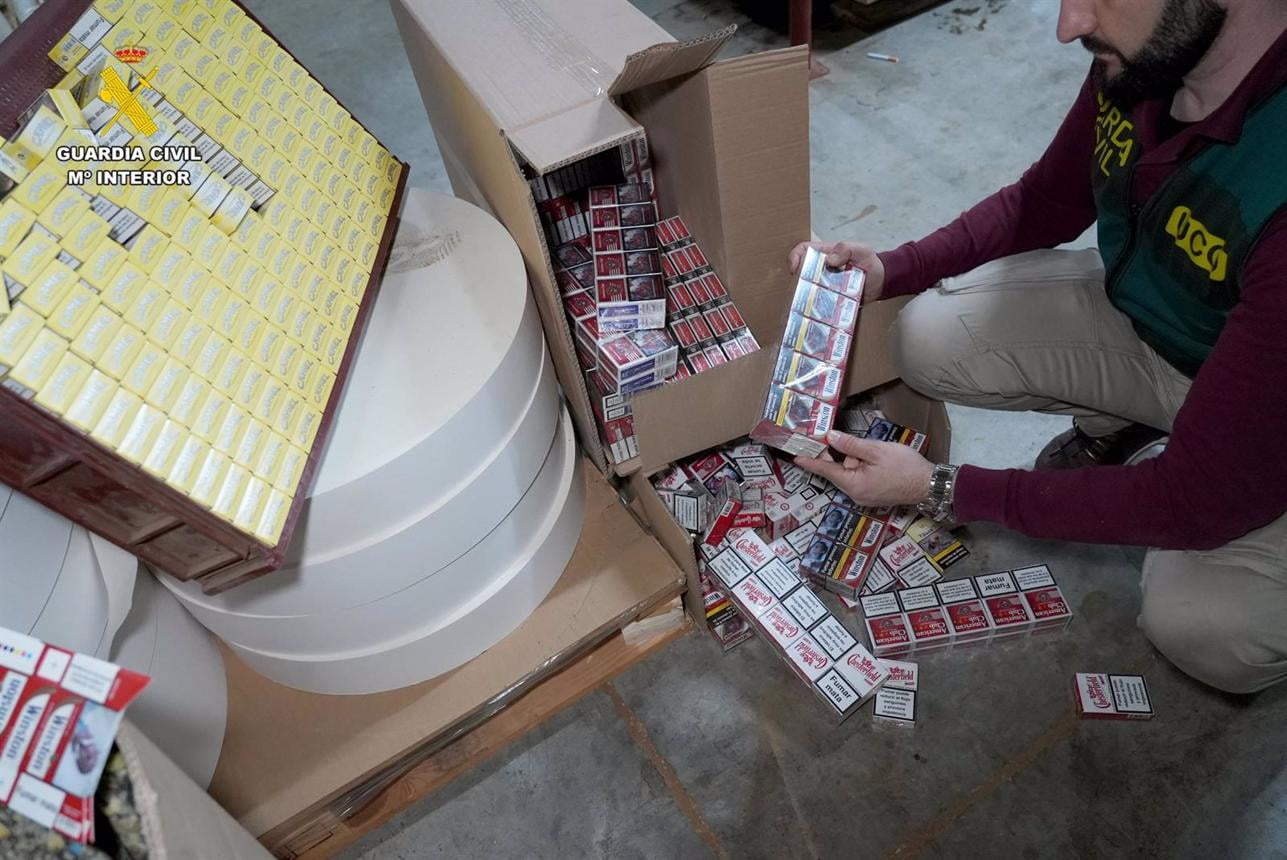
Luxembourg: Finance ministers gathered in the Grand Duchy on 5 May to seal a general approach on the long-debated overhaul of Regulation 904/2010, the legal spine of EU administrative cooperation on value-added tax. The deal opens the door for the European Public Prosecutor’s Office and the European Anti-Fraud Office, OLAF, to plug directly into the bloc’s most sensitive VAT databases through a single technical entry point. For the first time, investigators chasing carousel fraud will not have to wait for member-state intermediaries before pulling cross-border transaction trails.

The instruments now in scope are formidable. VIES, the VAT Information Exchange System, lets revenue authorities verify the identity of any business trading across internal borders. CESOP, the Central Electronic System of Payment information, captures cross-border payment flows above twenty-five transactions per quarter, a data lake designed precisely to expose missing-trader schemes. Eurofisc, the network of national anti-fraud liaison officers, holds the operational case files that have historically been the bottleneck for prosecutors. Bundling case-by-case access under a unified gateway is a quiet but significant transfer of investigative gravity towards the Union level.

The political logic is straightforward. The Commission’s own estimates have placed the annual VAT compliance gap above sixty billion euros in recent years, with intra-EU carousel fraud accounting for a stubborn share. Pillar Two implementation has absorbed political attention, but ministers are aware that the most lucrative revenue protection still lies in plugging old leaks rather than chasing new bases. The November 2025 proposal had been delayed by member states wary of giving Luxembourg-based EPPO too much direct reach into national tax intelligence; the compromise text limits access to targeted, suspicion-led queries rather than open trawls.

The deal also reshuffles the choreography between Fiscalis funding and operational tools. The 2028-2034 customs and taxation programme, currently passing through the Economic and Monetary Affairs Committee with a proposed budget of six point two billion euros, is meant to underwrite the IT plumbing that will make the new access regime work. Officials in the Luxembourg presidency machinery have been blunt that without the merged programme there is no realistic chance of delivering a single-entry-point architecture inside the current Commission mandate.

There are still moving parts. Twenty-two of twenty-seven member states have implemented the qualified domestic minimum top-up tax, the income inclusion rule and the under-taxed payments rule under Pillar Two, but the five laggards complicate any narrative of full alignment on direct tax. The Council text on VAT cooperation must now be reconciled with a Parliament position expected before the summer recess, and rapporteurs have already signalled they want stronger data-protection guardrails around CESOP queries.

For practitioners, the practical message is that the era of compartmentalised national VAT enforcement is closing. A Berlin-based exporter selling through a Maltese shell company can now expect a Luxembourg prosecutor to see the payment trail, the VIES verification history and the Eurofisc red flags inside a single workflow. The deterrent effect, even before the regulation is formally adopted, may matter more than the eventual technical specifications.

The Grand Duchy hosted this milestone partly because of its dual role as both a major financial centre and the seat of the Court of Justice, whose case law on tax cooperation has shaped every iteration of the rules. The symbolism is not subtle. Ministers leaving the Kirchberg plateau on Tuesday evening could credibly claim that a decade of fragmented enforcement is being stitched back together, even if the seams remain visible.